As the pet food industry continues to grow, more and more demand is being placed on quality ingredients that will be able to keep our beloved canines healthy and thriving in the long term. Among these ingredients is one that has been setting headlines ablaze: choline chloride, a common staple nutrient in animal and human diets everywhere. So what is the fuss about? And. More to the point addressing dog owners: Is choline chloride healthy and safe to give dogs?
Let's look at the science,. safety, and benefits of choline chloride in canines.

What is Choline Chloride?.
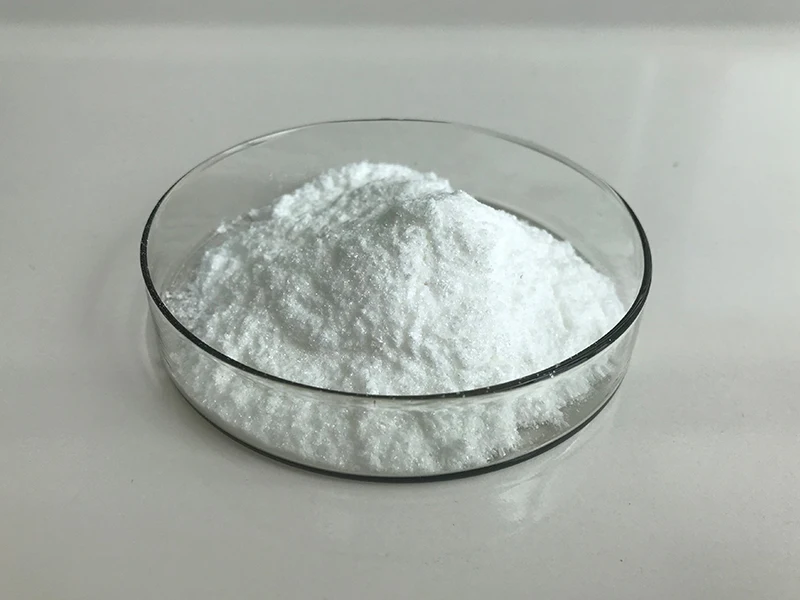
Choline chloride is a water-soluble vitamin vitamin applied as a B-vitamin complex component. Choline chloride is typically synthesized chemically and employed in the form of an animal and pet feed dietary supplement. In humans and dogs alike, choline is involved in a staggering range of physiological processes relevant to development, organ function, and mental processes.
Choline is not strictly a vitamin but a vitamin-like nutrient as the body needs it in quite substantial amounts and is unable to synthesize sufficient of its own. Supplementation through diet is therefore necessary, especially in high-energy animals or the sick.
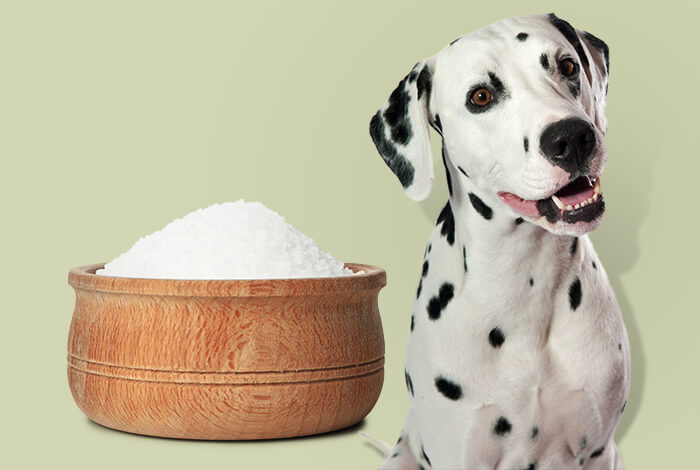
Why Do Dogs Need Choline?
Choline serves some key functions in dog physiology:
1. Supports Brain and Nervous System Function
Choline is a precursor molecule for acetylcholine, the neurotransmitter used in muscle movement, memory, and thinking. Choline has been shown to maintain mental function or "canine cognitive dysfunction" (the canine version of human dementia).
2. Maintains Liver Function
The most important function of choline is that of a liver detox and lipid metabolism. It will not let the liver become fat-storing, and it's extremely useful for those dogs prone to hepatic lipidosis or those dogs that eat too much fat.
3. Cell Structure Integrity
Choline is one of the primary components of phospholipids like phosphatidylcholine that make up cell membranes. Choline thus has a function to maintain cells intact in the body.
4. Enhances Methylation and Detoxification
Choline provides methyl groups for utilization in DNA synthesis, gene function, and detoxification. Metabolically or hormonally stressed dogs may be helped with added methyl donor supplementation.
Is Choline Chloride Safe to Use in Dogs
Choline chloride is safe for dogs when dosed correctly and in the right amount.
Safety Profile
AAFCO-approved: Choline chloride is an AAFCO-approved nutrient to be added to dog food as a supplement by the Association of American Feed Control Officials (AAFCO).
- Non-toxic dosages: Choline is not toxic when used in AAFCO-acceptable levels along with commercial pet food.
- Water soluble: The excess is removed from the body through urine, preventing accumulation within the body.
- Imbalance or over-supplementation, however, will create such issues as gastrointestinal disturbance, body odor with a fishy smell (a consequence of excessive choline), or interference in nutrient absorption. Always consult a veterinarian prior to supplementing individual choline supplements into your dog's diet.
Natural Choline Sources in Dogs
Choline is naturally present in some safe foods for canines such as:
- Eggs (egg yolks alone)
- Liver (beef liver and chicken liver)
- Fish
- Lean meat
- Legumes
- Whole grains
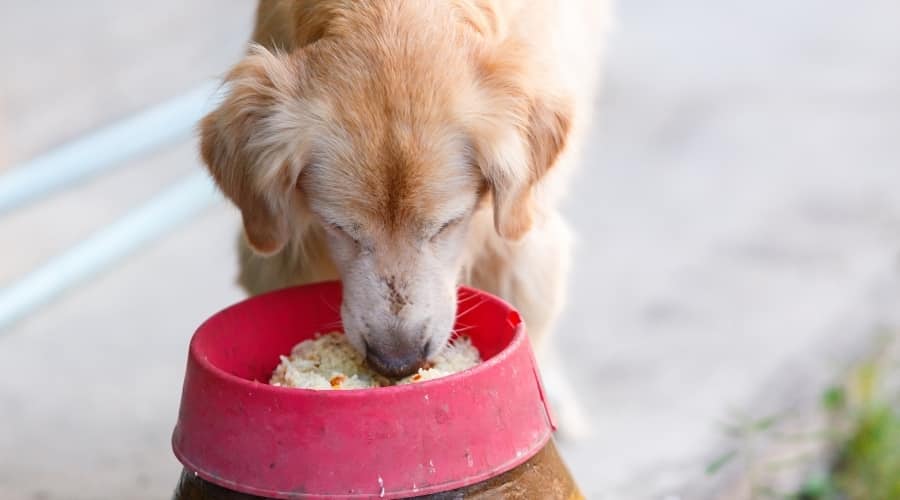
But this quantity derived from natural sources only may not be enough, especially in processed pet food, and choline chloride is thus added to processed pet food from now on in order to fulfill the need of your pet dog.

Benefits of Using Choline Chloride in Pet Food
1. A Mature Dog's Mental Condition
There have been a number of studies that were set out to establish if choline would be able to improve cognitive function and memory in aged dogs. Choline supplements (alpha-GPC or choline chloride) can be included with aged dog food in dog foods to keep the mind sharp.
2. Liver Support in Dogs with Liver Disease
Choline chloride will inhibit liver fat accumulation, specifically useful for sick, surgically recovered, or hepatic lipidosis and other metabolic liver disease recovery canines.
3. Enhanced Growing and Reproductive Well-being
Choline is extremely crucial when working in terms of puppy growth as well as pregnancy in a way that normal organ and brain formation in puppies take place. Due to this, choline chloride is a significant ingredient of puppy and reproduction-based diets.
4. Muscle and Nerve Function
By contributing to healthy neurotransmission and muscle signaling, choline chloride secondarily contributes to healthy physical exercise and coordination in working or performance dogs.

When Would Supplementation with Choline Be Necessary?
Although most commercially available complete dog foods supply adequate choline chloride, there are some situations where supplementation would be required:
- Homemade-fed dogs
- Mentally impaired older dogs
- Liver-affected dogs
- Breed or lactation females
- Working or performance dogs
In such a case, the supplementation of choline through supplementing via food or supplements may be recommended by a vet.

How Is Choline Chloride Supplied in Dog Food?
Choline chloride is added in the powdered state to the dog food, typically along with a carrier such as corn cob or silica to impart flowability and stability. It is added during the production of the feed so that it shall be evenly distributed in the kibble or wet feed.

Conclusion
Choline chloride is safe and healthy for dogs when it is added in proportionate harmony. It plays a very important role of enhancing your dog's nervous system activity, brain function, cellular well-being, and liver functions. Choline supplementation is a vital supplement to the nutritional base for dogs of all ages, especially geriatric, puppy, and those with some medical conditions.
As always, pet owners should ensure their dog's diet-whether commercial or homemade-meets all AAFCO nutrient requirements. If you're considering additional choline for your pet, consult your veterinarian or a certified animal nutritionist.
References
Zeisel, S. H. (2006). Choline: critical role during fetal development and dietary requirements in adults. Annual Review of Nutrition, 26, 229-250.
Association of American Feed Control Officials (AAFCO). (2023). Official Publication.
Pan, Y. et al. (2018). Cognitive enhancement in aging dogs: contribution of choline to memory. Journal of Veterinary Behavior, 25, 45-51.
National Research Council. (2006). Nutrient Requirements of Dogs and Cats. National Academies Press.