


Astaxanthin has earned global attention as one of the most powerful natural antioxidants ever discovered. Whether used for human health, pet nutrition, poultry performance, or aquaculture, its bioactive potential is remarkable. But one of the most common questions asked by consumers, formulators, and animal nutrition professionals is:
How long does astaxanthin take to work?
Understanding the timeline for astaxanthin's effects helps set realistic expectations and ensures proper formulation decisions in animal feed. In this long-form guide, we explore how astaxanthin works, how quickly it produces visible or measurable benefits, and what factors influence its effectiveness. As a supplier of high-quality natural ingredients, HJ AGRIFEED highlights how to use astaxanthin efficiently in various applications.
What Makes Astaxanthin Unique?
Astaxanthin is a naturally occurring carotenoid found in microalgae (Haematococcus pluvialis), krill, yeast, and seafood like salmon and shrimp. Its exceptional antioxidant strength-estimated to be 6,000 times stronger than vitamin C-is what gives it strong biological activity.
It is used at large for:
- Immune support
- Anti-inflammatory action
- Skin and coat coloration
- Eye and brain health
- Resistance and Muscle Performance
- Stress tolerance in livestock
- Pigmentation in aquaculture and poultry
But like most natural compounds, astaxanthin doesn't provide instant results. Its bioaccumulation and physiological actions require time.
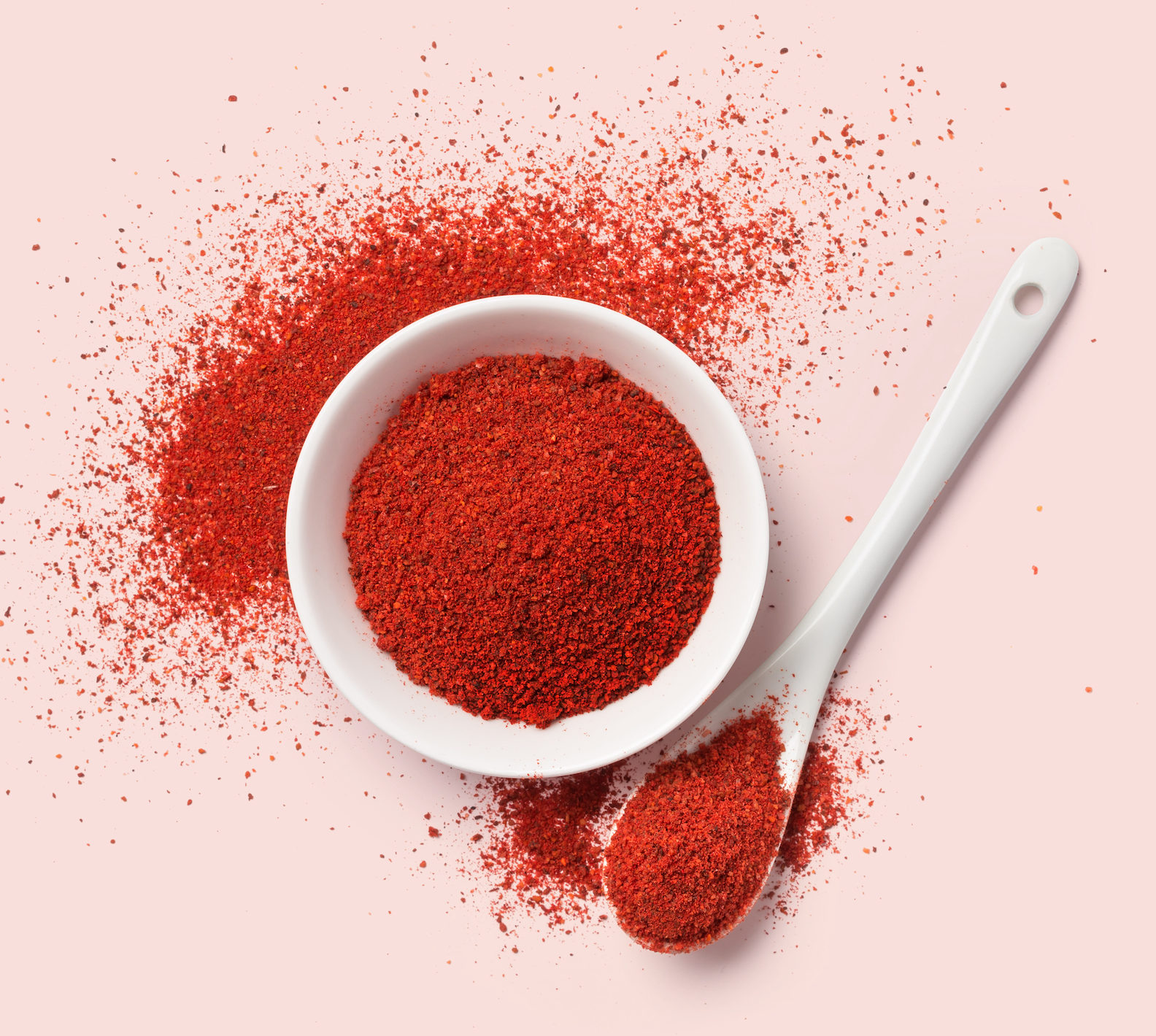
How Long Does Astaxanthin Take to Work?
General Timeline: 4–12 Weeks
Most studies suggest that
2 Weeks: The Early Benefits Kick In
- Improved oxidative stress
- Slight improvement in energy
- Onset of anti-inflammatory action
- Improved cellular protection
4 Weeks: Noticeable & Quantifiable Changes
Among people, pets, and beasts respectively:
- Skin hydration improves
- Immune markers increase
- Joint pain may lessen
- Muscles recover more quickly.
Poultry/ aquaculture:
- Pigmentation begins to appear.
- Feed efficiency improves
- On the other hand, improved resistance to stress
8–12 Weeks: All the benefits visible.
This is when the astaxanthin reaches peak plasma level and distribution in tissues:
- Potent anti-aging action
- Great reduction of inflammation
- Improved fertility and reproductive health
- Enhanced, more intense colouration in fish, shrimp and poultry
- Sharper vision and improved cognitive function
- Stronger cardiovascular protection
Overview:
Astaxanthin typically requires 4–12 weeks of consistent supplementation to deliver its full benefits.
Why Astaxanthin Takes Time to Work
Astaxanthin is a fat-soluble antioxidant. It is building up slowly in:
- cell membranes
- muscle tissues
- Eyes
- Brain
- skin
Reproductive organs
This accumulation is what delivers its long-term protective effects. Unlike water-soluble antioxidants, astaxanthin stays in the body longer and integrates into cells over weeks-not days.
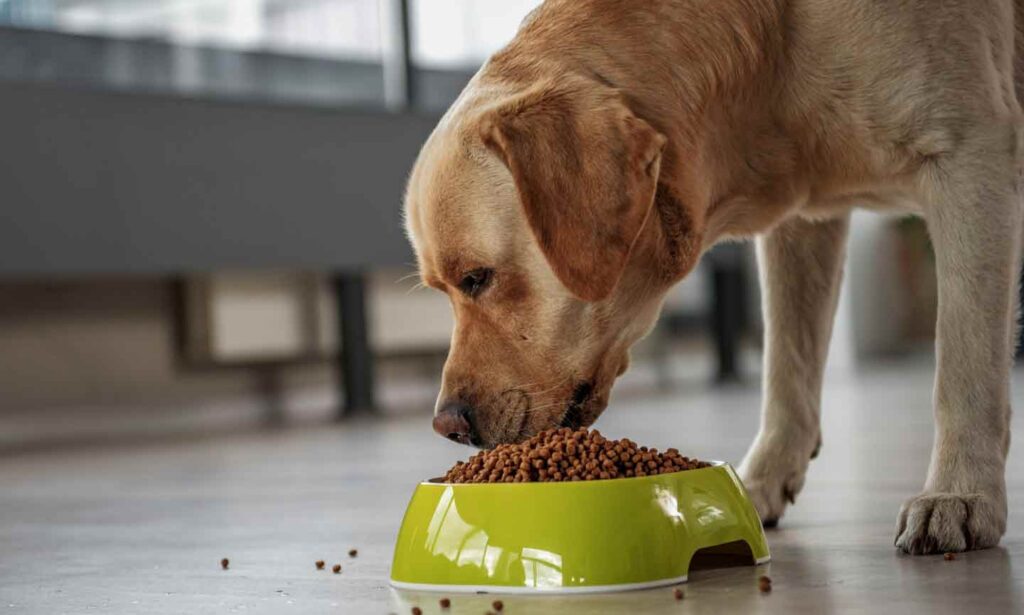
Factors That Affect How Astaxanthin Works
1. Dosage
Larger doses act faster-up to a safe limit.
Common effective ranges:
- Humans: 4–12 mg/day
- Dogs & cats: 1–4 mg/day
- Poultry: 10–80 mg/kg feed for pigmentation
- Fish & shrimp: 50–120 mg/kg feed
2. Form - Natural and Artificial
Natural from Haematococcus pluvialis is faster and stronger.
Synthetic astaxanthin is much weaker and slower.
HJ AGRIFEED recommends natural sources for optimal results.
3. Dietary Fat Content
Astaxanthin is best absorbed with dietary fats.
Low-fat diets postpone results.
4. Variation of Species and Individuals
Pets, livestock, and aquatic animals may absorb astaxanthin faster due to metabolic differences.
5. Purpose of Use
Pigmentation effects in poultry and aquaculture appear faster than joint or immune benefits.

How long does it take for astaxanthin to work in animals?
Poultry
- Pigmentation: 7–21 days
- Immune function: 4–6 weeks
- Reproductive improvement: 6-10 weeks
Broilers also show improved antioxidant status and meat quality within 3–5 weeks.
Fish & Shrimp
- Pigmentation: 2–6 weeks
- Survival improvement: 4–8 weeks
- Stress resistance: 4 weeks
Dogs
- Joint mobility: 4–8 weeks
- Skin/coat improvement: 4–6 weeks
- Energy/endurance: 3–6 weeks
Cats
- Eye health benefits: 6–8 weeks
- Anti-inflammatory effect: 4–6 weeks

Signs Astaxanthin is working:
Depending on the species, the following enhancements may be seen:
People/Pets:
- More energetic
- Improved skin glow and hydration.
- Reduced stiffening of joints
- Improved digestion
- Shinier fur in pets
Livestock:
- Better Immunity
- Lower mortality during stress
- Feed Conversion Improved
Aquaculture/Poultry:
- Brighter red/orange coloration
- Higher antioxidant responses
- Improved growth and survival

How to Maximize Astaxanthin Effectiveness
To expedite matters: or to improve the results:
Choose natural astaxanthin
Type HJ AGRIFEED is this kind of supply.
Give with fat-containing feed
Improves absorption by 200–500%.
Use consistent once-daily dosing
Missing doses delay accumulation.
Complement with antioxidant synergists
It is enhanced by vitamin E, selenium, and omega-3s.

Is Astaxanthin Worth the Wait?
Absolutely.
While astaxanthin requires weeks-not days-to show full results, the payoff is substantial. Scientific studies consistently confirm that regular supplementation leads to:
- stronger immunity
- better stress tolerance
- superior pigmentation
- healthier skin and tissues
improved performance in poultry, pets, and aquaculture species
Its slow absorption is also what makes astaxanthin one of the longest-lasting antioxidants in the body, offering extended protection far beyond typical supplements.

Conclusion: How Long Does Astaxanthin Take to Work?
Astaxanthin usually takes 4–12 weeks to show noticeable benefits, depending on dosage, purpose, and species. Some early effects may appear in as little as two weeks, but long-term changes require consistent supplementation. For feed manufacturers, pet food brands, aquaculture farms, and poultry producers, understanding this timeline is essential for proper formulation and customer expectation. At HJ AGRIFEED, we supply premium natural astaxanthin powder suitable for animal nutrition applications, ensuring reliable performance and proven bioavailability.


