The answer goes far beyond a single benefit. Astaxanthin is used in human health supplements, pet nutrition, aquaculture, animal feed, cosmetics, and functional foods-all because of its powerful ability to protect cells, fight inflammation, and improve overall performance and wellness.
This article breaks down what astaxanthin is, how it works, and the many ways it is used across industries.
What is Astaxanthin?
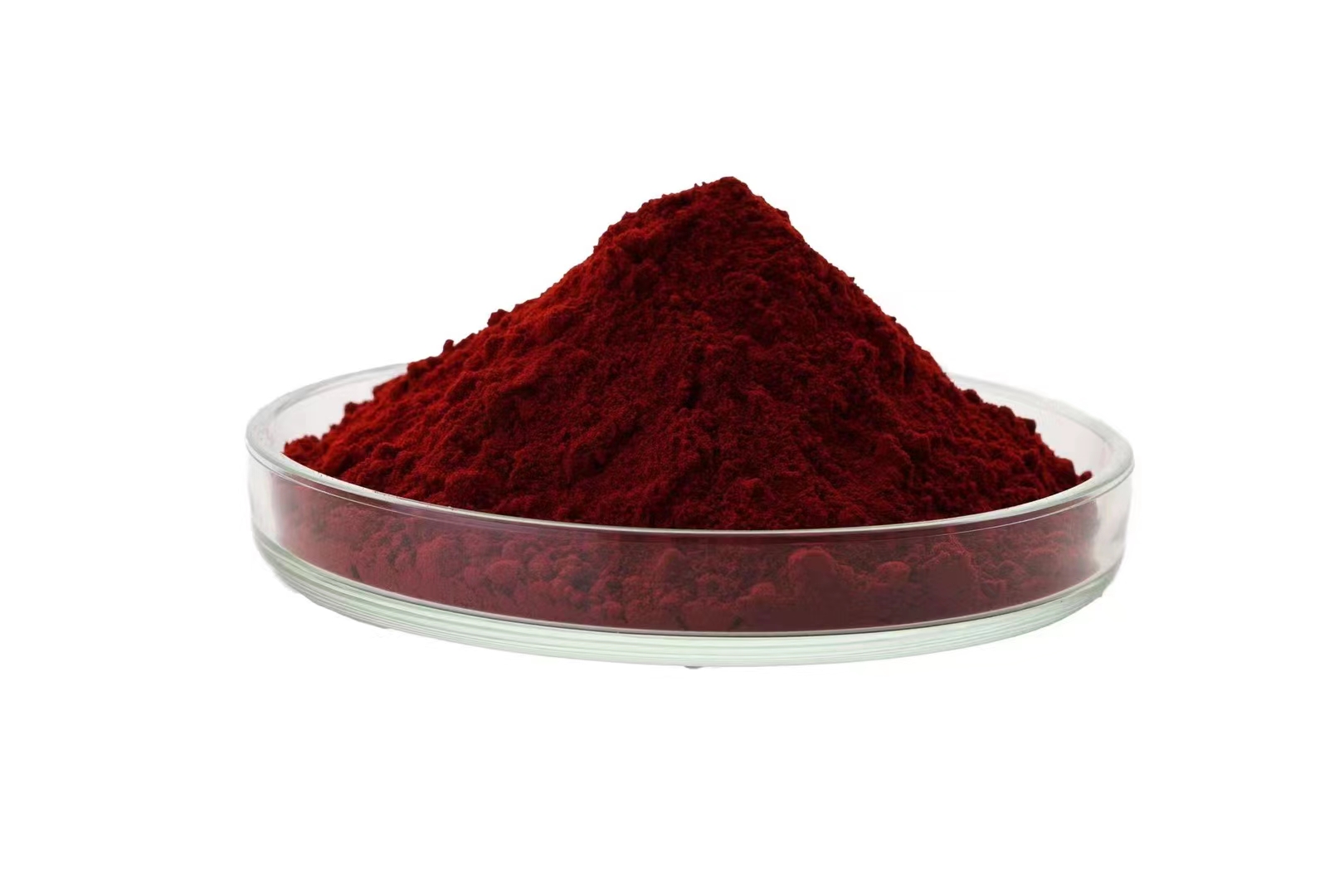
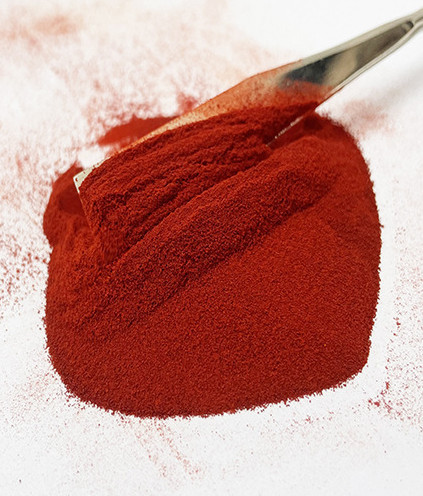
Astaxanthin is a red-orange carotenoid pigment naturally produced by microalgae. It passes through the food chain into seafood such as shrimp, salmon, krill, and trout, giving them their signature red or pink color.
Unlike basic pigments, astaxanthin is biologically active and works inside the body as:
- A cellular antioxidant
- One anti-inflammatory compound
- A metabolic booster
- Stress-protective nutrient
Its molecular structure allows it to cross cell membranes and protect both inside and outside of cells, which makes it stronger than many other antioxidants.

How Astaxanthin works in the body
Astaxanthin protects health at the cellular level by:
Neutralizing Free Radicals
It blocks damage from oxidative stress caused by pollution, stress, infection, and aging.
Inflammation Reduction
It calms chronic inflammation linked to joint pain, heart disease, and immune dysfunction.
Supporting Mitochondria
Astaxanthin increases energy production at the cellular level.
Cell Membrane Protection
It stabilizes cell walls and prevents breakdown resulting from toxins and oxidation.

Primary uses of Astaxanthin
1. Astaxanthin for General Health and Wellness
Some of the key health applications of astaxanthin include:
- Immunity enhanced
- Increased energy and stamina
- Reduced fatigue
- Improved resistance against stress
- Maintenance of youthful cells
Today, many consider astaxanthin a basic foundational antioxidant taken regularly.
2. Astaxanthin: Skin Health and Beauty
It finds application in nutritional supplement systems and cosmetic products.
Benefits include
- Wrinkles and fine lines are reduced.
- Increased skin elasticity
- Less erythema and inflammation
- Protection against UV damage
- Improved water retention
Generally, it is referred to as the "beauty from within" nutrient.
3. Astaxanthin for Eye and Vision Support
It is able to cross the blood-retinal barrier and is useful for:
- Reduced eye fatigue
- Protect against blue light damage
- Retina health support
- Improved blood circulation in the eyes.
It is really very common in vision support supplements.
4. Astaxanthin for the Brain and Cognitive Health
Astaxanthin supports:
- Memorizing and learning
- Nerve protection
- Reduced oxidative damage within the brain
- Better clarity mentally
It therefore makes it attractive for aging support and cognitive wellness.
5. Astaxanthin for Heart & Circulatory Health
Astaxanthin
- Protects the blood vessels
- Healthy cholesterol supported
- Improves circulation
- Reduces lipid oxidation.
It is utilized in formulation to maintain cardiac health.
6. Astaxanthin for Joint and Muscle Support
Astaxanthin lowers:
- Stiffness of the joints
- Muscle Fatigue
- Inflammation of intense activity
- It is popular amongst:
- Athletes
- Seniors
- Working animals
7. Astaxanthin in Immune System Support
Astaxanthin:
- Improves Immune Cell Activity
- Bolsters defenses
- Speeds recovery
- Reduces inflammatory disease
- It is normally used when there is high stress or risk of illness.
- Application of Astaxanthin in Animals
8. Astaxanthin in Poultry and Livestock
Astaxanthin is added to animal feed:
- Immune Health Improvement
- Improved skin and feather condition
- Reduce heat stress
- Improve growth performance
- Support reproduction
9. Astaxanthin in Aquaculture
It is also used in aquaculture to color fish and shrimp.
- Salmons, trouts and shrimp pigmentation
- Resistance to disease
- Stronger growth
- Improved survival rates
- Higher meat quality
10. Astaxanthin in Animal Nutrition
Astaxanthin use in dogs and cats:
- Joint health
- Coating and skin support
- Anti-aging benefits
- Passive defence
- Heart and eye health
Industrial and Specialty Applications
11. Astaxanthin in Cosmetics and Skincare
Astaxanthin is used in:
- wrinkle creams
- Sunscreen products
- Serums and face masks
It protects the skin from pollution and sunlight.
12. Astaxanthin in Functional Foods
Some foods and beverages are fortified with astaxanthin to provide added antioxidant benefits.

Safety of Astaxanthin
Yes, Astaxanthin is considered:
- Safe for daily use
- Well-documented
- Toxic-free
- Naturally sourced
- Approved by all
Side effects are rare and generally mild: digestive discomfort in cases of overdose.
How Long Does It Take to See Benefits?
Most users reported:
- 1–2 weeks: Boosted energy and immunity
- 3–6 weeks: Enhanced skin and joint comfort
- 2–3 months: long-term health benefits

Final Answer:
- Astaxanthin is used for:
- Antioxidant protection
- Anti-inflammatory support
- Skin and beauty care
- Heart health
- Brain and eye support
- Animal nutrition
- Aquaculture pigmentation
- Immune enhancement
- Anti-aging therapy
Conclusion
Astaxanthin is one of the most versatile natural compounds in the world. Its ability to protect cells, reduce inflammation, and support overall health is why it's used across industries from healthcare to animal nutrition and skincare.