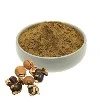
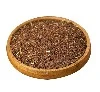
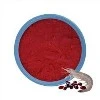
In animal feed and nutrition, cost is always a key consideration. When it comes to incorporating high-value additives like astaxanthin powder, understanding pricing dynamics, factors influencing cost, and how to derive value is essential for feed formulators, pet food producers, aquaculture farms, and livestock operators.
Typical Price Range & Market Signals
From the recent supplier listings and bulk raw-material markets, astaxanthin powder has quite a wide price range:
Feed-grade astaxanthin at lower concentrations, such as 1-5% active, may be listed at about US$30-54/kg from some listings.
More refined or higher-purity grades, for example, 10% actives or natural Haematococcus pluvialis-sourced, can cost US $100–300 per kg or more.
You will see tens of US dollars per kilogram on smaller scales, consumer/supplement grade, or much higher when packaged in small quantities.
These numbers show that there is no unique "price" for astaxanthin powder; the price varies widely depending on grade, source, concentration, volume, and region.

Key Factors That Determine Cost
When analysing how much astaxanthin powder will cost for animal-nutrition applications, here are the major determinants:
Purity / Assay (Concentration of Active)
Higher assay (e.g., 10% vs 2% astaxanthin) means more active compound per kg, and hence higher cost. Lower-grade powders may cost less but require higher inclusion to achieve desired effect.
Source: Natural vs Synthetic
Natural astaxanthin sourced from microalgae (such as Haematococcus pluvialis) generally commands premium pricing versus synthetic forms. The extraction complexity and yield affect cost.
Type of Use / Feed Grade vs Nutraceutical Grade
Feed-grade materials for poultry, aquaculture or livestock may have slightly looser specifications compared to human/nutraceutical grades - this affects cost. If a supplier markets "feed grade" astaxanthin, you may expect lower cost than "pharmaceutical grade".
Regulatory & Certification Requirements
Certifications (e.g., ISO, HACCP, FAMI-QS, Halal/Kosher) add cost. Also traceability, heavy-metal tests, residual solvent checks etc., increase manufacturing cost.
Volume & Packaging
Bulk orders (hundreds of kg or more) typically generate lower per-kg cost. Smaller quantities or specialty packaging increase cost. Shipping, duty, and import costs also matter, especially for remote markets.
Supply & Demand / Crop Yield
Because natural astaxanthin depends on algae cultivation or extraction, yields, geographic region, seasonality and supply chain constraints affect price. A tight supply can drive up cost.
Inclusion Rate & Formulation Efficiency
The practical cost to the feed manufacturer also depends on how much astaxanthin you need to add. If the inclusion rate is very low, even a high raw material cost may translate to a small cost per tonne of feed.

Cost in Practice: What It Means for Animal Feed Formulations
Example Calculation:
Suppose you purchase feed-grade astaxanthin at US $150/kg. If your feed inclusion is only 50 mg (0.05 g) per kg of finished feed (which is 50 g per tonne), the cost contribution is:
- 0.05 g × 1000 kg (for 1 tonne) = 50 g
- 50 g is 0.05 kg
- At US $150/kg → cost = 0.05 × 150 = US $7.50 per tonne of feed
In that light, even though the raw material is expensive, the actual cost per tonne of feed may be quite modest - and if the performance improvements (pigmentation, immune support, growth) deliver value, the ROI may justify it.
Cost vs Benefit Considerations:
If using astaxanthin to improve feed conversion ratio (FCR), immunity, or product quality (egg yolk color, fish flesh color), the value must exceed the additional cost.
- For premium pet foods or aquaculture products where quality (color, antioxidant status) commands higher price, the cost is relatively easier to absorb.
- For commodity livestock feed, the cost sensitivity is higher - you must ensure the benefit is measurable (e.g., reduced mortality, improved growth, better market value of product).

Regional / Market Influences: Philippines / Southeast Asia Context
From the most recent supplier listings and bulk raw-material markets, Astaxanthin Powder has quite a wide price range:
Lower concentrations of feed-grade astaxanthin, say 1-5% active, may be listed at about US$30-54/kg from some listings.
For instance, more refined, or higher-purity grades, such as 10% actives or natural Haematococcus pluvialis-sourced, can reach costs of US$100–300 per kg or even higher.
You will find tens of US dollars per kilogram on smaller scales, consumer/supplement-grade, or much higher when packed in small quantities.
These figures show that there is no single "price" for astaxanthin powder, as pricing can vary greatly depending on grade, source, concentration, volume, and geographic region.

Strategies to Reduce Cost or Maximise Value
- Select correct grade: Use only as high a purity as you need - for pigmentation maybe lower %, for antioxidant maybe higher %.
- Optimize inclusion: Use the minimum effective dose based on trials rather than "more is better."
- Bundle purchases: Larger volume purchases reduce per-kg cost, negotiate MOQs.
- Consider formulation synergy: Combine astaxanthin with other pigments or antioxidants so overall cost is optimized.
- Monitor performance metrics: Track growth, FCR, quality improvements to ensure value generation.
- Evaluate alternative sources: Synthetic vs natural; algae vs yeast; domestic vs import - cost implications vary.
- Secure supply chain reliability: Ensuring consistent supply prevents cost spikes due to scarcity.
Conclusion: Cost is Manageable When Positioned Right
While in general, astaxanthin powder is a high-value raw material, with hundreds of dollars per kg in many cases; if the inclusion rates in feed are small and the benefits realized-immune support, antioxidation, pigmentation, and improvement of growth/product quality-are real, the cost can be modest per tonne of feed or per animal.
Astaxanthin may turn out to be a strategic investment instead of just an added cost for the manufacturer of premium pet food, aquaculture, and value-added livestock products. The key is in the careful evaluation of raw material price, inclusion rate, expected benefits, and market positioning.