Healthy plant growth is the foundation of successful farming and gardening. Whether you are growing crops for commercial production or tending to a home garden, strong roots, vigorous leaves, and steady development are essential for good yields. In recent years, more growers have started looking for natural ways to improve plant performance without relying heavily on chemical fertilizers or synthetic growth regulators.
One natural compound gaining attention is policosanol, especially its active component octacosanol. Originally known for its role in human health, octacosanol is now recognized for its ability to support plant growth in a gentle, natural way.
So how does it work, and why are more farmers and gardeners interested in it?
The Shift Toward Natural Plant Growth Solutions
Traditional agriculture has long depended on chemical fertilizers and growth stimulants to push plants to grow faster. While these tools can be effective, they often come with challenges such as:
- Soil degradation over time
- Environmental pollution
- Reduced soil biodiversity
- Higher long-term costs
Today, many growers want solutions that support plant growth naturally, improve soil health, and reduce environmental impact. This has led to growing interest in plant-based biostimulants like policosanol.
What Is Policosanol (Octacosanol)?
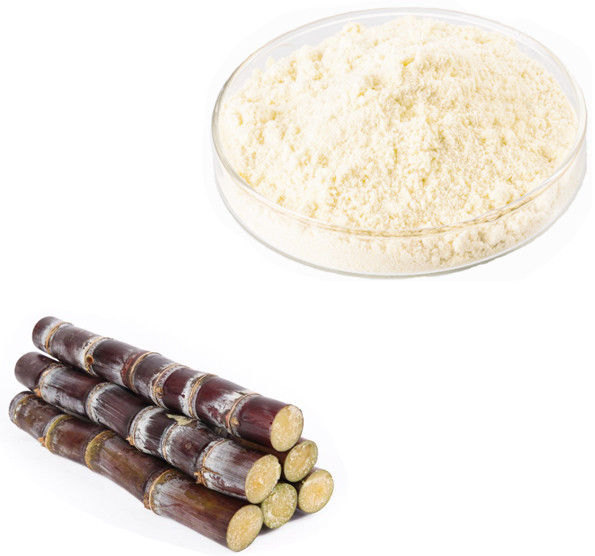
Policosanol is a natural mixture of long-chain fatty alcohols extracted from plant waxes such as sugarcane wax, rice bran wax, and wheat germ. Among these compounds, octacosanol is considered one of the most active for plant growth.
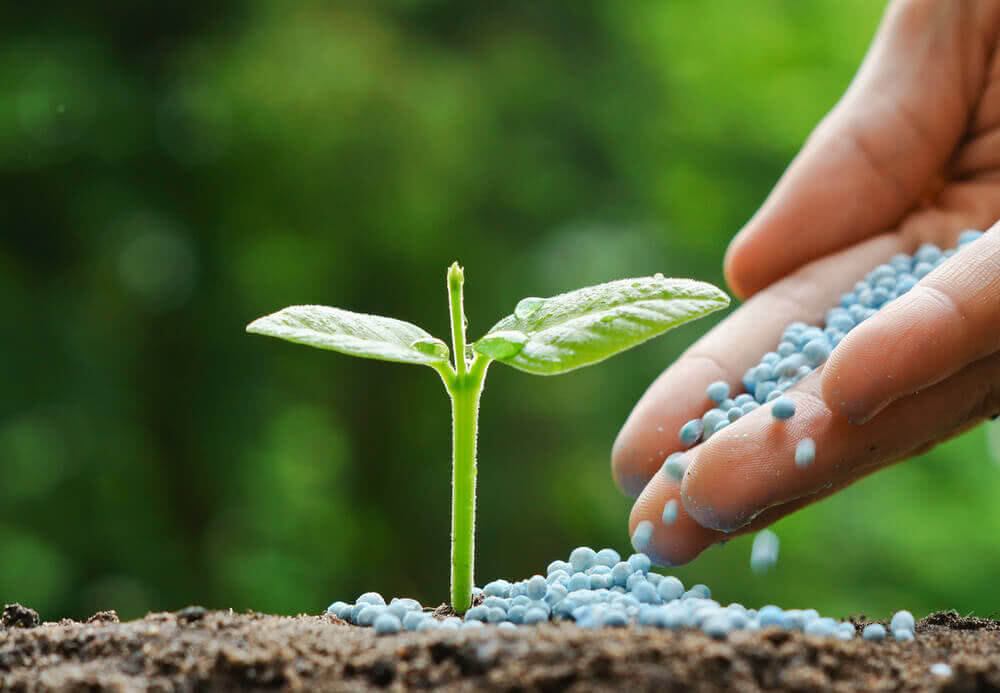
Instead of acting like a chemical hormone, octacosanol works by supporting the plant's natural physiological processes. It helps plants use nutrients more efficiently and improves overall growth performance without forcing unnatural development.
:strip_icc()/Fertilizing-plants-0440837aeee64749832645ba62572f95.jpg?size=570x0 "Policosanol (octacosanol) manufacturer")
How Octacosanol Supports Plant Growth
1. Encouraging Stronger Root Development
Healthy roots are the key to healthy plants. They absorb water and nutrients from the soil and anchor the plant firmly.
- Octacosanol helps support:
- Better root growth
- Increased root surface area
- Stronger nutrient absorption
With stronger roots, plants can access more nutrients and water, leading to healthier growth above the soil.
2. Improving Nutrient Use Efficiency
Plants may receive fertilizers, but not all nutrients are always used efficiently. Some nutrients are lost through leaching or remain unavailable in the soil.
Octacosanol helps plants:
- Use nutrients more effectively
- Improve internal nutrient transport
- Reduce nutrient waste
This means plants can grow better even with the same amount of fertilizer.
3. Supporting Leaf and Stem Growth
Leaves are where photosynthesis happens. The healthier the leaves, the more energy the plant can produce.
Octacosanol supports:
- Greener, healthier leaves
- Stronger stems
- Improved photosynthetic activity
This leads to more vigorous plant growth and better overall plant structure.
4. Enhancing Stress Tolerance
Plants face many types of stress, including heat, drought, poor soil, and nutrient shortages.
Octacosanol helps plants:
- Cope better with environmental stress
- Maintain growth under difficult conditions
- Recover more quickly from stress
This makes it especially useful in challenging growing environments.
Natural Growth Without Overstimulation
One of the biggest advantages of octacosanol is that it does not force unnatural growth. Instead, it gently supports the plant's own systems.
This results in:
- Balanced growth
- Stronger plant structure
- Reduced risk of weak or overstretched plants
- Plants grow healthier, not just faster.
Benefits for Different Types of Crops
Field Crops
Octacosanol supports better root development and nutrient uptake, leading to stronger crop performance.
Vegetables
It helps improve leaf growth, plant vigor, and stress resistance.
Fruits
Healthier plants can support better flowering and fruit development.
Ornamentals
Plants grow stronger, greener, and more visually appealing.
:max_bytes(150000):strip_icc()/ms-plant-fertilizer-292b5dc22bc74eea83252cea3e0f1ae3.jpg?size=583x0 "Policosanol (octacosanol) manufacturer")
Supporting Sustainable Agriculture
Because octacosanol is plant-derived and works naturally, it fits well with sustainable farming practices. Its benefits include:
- Reduced reliance on chemical inputs
- Improved soil health over time
- Lower environmental impact
- Better long-term productivity
This makes it suitable for eco-friendly and organic-focused growing systems.

Safe and Easy to Use
Octacosanol is safe for plants, soil, and the environment. It can be applied through:
- Foliar sprays
- Soil treatments
- Integrated fertilizer programs
It does not harm beneficial microorganisms and does not leave harmful residues.
Why More Growers Are Choosing Natural Biostimulants
Farmers and gardeners are realizing that healthy plants start with healthy systems, not just strong chemicals. Natural biostimulants like octacosanol help plants:
- Grow stronger
- Use nutrients better
- Resist stress
- Produce better yields
All while supporting long-term soil and environmental health.
At HJ AGRIFEED, we believe natural plant-based solutions play an important role in modern agriculture, helping growers achieve strong results while protecting the environment.

Final Thoughts
Policosanol (octacosanol) boosts plant growth naturally by working with the plant's own biological systems. It supports root development, improves nutrient use, strengthens leaves and stems, and helps plants handle stress more effectively.
Instead of forcing growth, it encourages healthier, more balanced development. As agriculture continues to move toward sustainable and eco-friendly practices, natural solutions like octacosanol are becoming an important part of the future of plant nutrition.