The future of farming is all about becoming smarter, cleaner, and more efficient when it comes to crop nutrient feeding. Current farming not only aims for increased production but for a healthier soil, a more resilient crop, and a safer environment. With this challenge in mind, natural plant growth boosters have gained popularity, and among these, Policosanol (Triacontanol) can be considered one of the most effective ones.
Generally regarded as a plant metabolic activator, Policosanol , particularly Triacontanol with the chemical name C30, a constituent with very high activating capability, acts more as an activating agent for fertilizers rather than an actual nutrient. Although given in very low concentrations, it packs a stout activation level.
With this article, readers will learn more about what Policosanol , or Triacontanol, is, how it functions in nature as a fertilizer, and why it is an important factor in creating robust and healthy crops.
What Is Policosanol (Triacontanol)
Examples of policosanol include a natural combination of long-chain fatty alcohols derived from plant waxes such as:
- Sugarcane Wax
- Rice bran
- Wheat germ
- Bees
Among these constituents, Triacontanol (C30) has been particularly active in plant growth. Triacontanol is a wax derived from sugar cane rotation residues.
Triacontanol is a natural substance found in the cuticular wax layers of plant bodies, which shield leaves, stems, and fruits from evaporation, heat, pests, and environmental factors. As an external treatment, this product can boost plant functions rather than provide nutrients since it can be used in farming systems.

Why Triacontanol Is Called a 'Natural Fertilizer'
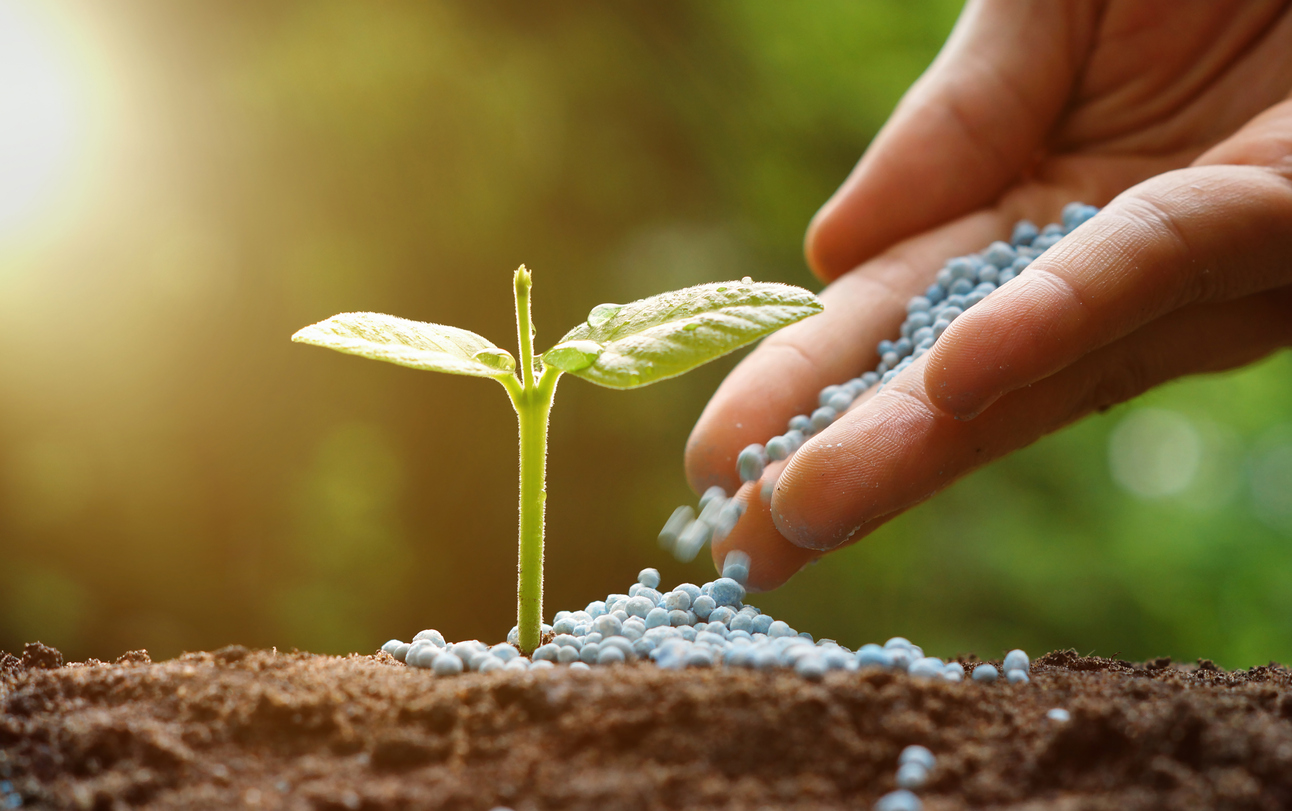
While conventional fertilizers will deliver nutrients such as nitrogen, phosphorus, and potassium, Triacontanol functions in a way that enhances nutrient uptake by plants.
It functions as a biostimulant in which:
- Stimulation of plant metabolism
- Enhances photosynthesis
- Improves nutrient absorption
- Strengthens plant structure
- Reduces stress resistance
As a consequence, crops become stronger and more efficient, despite less fertilizer being used.
How Policosanol, Also Known As Triacontanol
1. Stimulates Plant Energy Production
Among the most important functions of Triacontanol is its role in increasing ATP biosynthesis, which is a source of energy in plant cells.
As a consequence, they can:
- Grow faster
- Develop large leaves
- Strengthen stem bases
- Quickly recover from stressful situations
Such energy activation is why even low concentrations of Triacontanol can cause a visible increase in growth.
2. Improves Photosynthesis Efficiency
Photosynthesis defines the capacity of a plant to produce food and energy.
- Triacontanol enhances photosynthesis in
- Enhancement of Chlorophyll Production
- Enhancing Assimilation of
- Improving stomatal function
- Enhancing carbohydrate production
As a consequence, Triacontanol-treated plants appear to be greener, more vigorous, and more productive.
3. Enhances Root Development & Nutrient Absorption
A good root system is vital for proper fertilization.
- Triacontanol
- Accelerated root extension
- Increased Lateral Root Formation
- Enhances Root Hair Density
- Increased water and mineral absorption
Such will enable better nutrient uptake by plants from soils and fertilizers, hence improving plant growth.
4. Improves the Cuticular Wax Layer of the Plant
Triacontanol is involved in creating long-chain lipids that work to thickened the cuticular wax layer.
Advantages include:
- Lower water loss
- Increased resistance to heat
- Reduced disease penetration
- Increased protection against UV rays
The increased wax layer promotes plant survival and sustained growth in a harsh environment.
5. Improves Nutrient Utilization Efficiency
Triacontanol assists plants in making better use of nutrients through:
- Activation of nutrient transport proteins
- Enhancing nitrogen metabolism
- Improving enzyme activity
- Reducing nutrient wastage
Triacontanol thus makes a very good additive to conventional fertilizers because with Triacontanol, better crop production can be attained with smaller quantities of fertilizer.
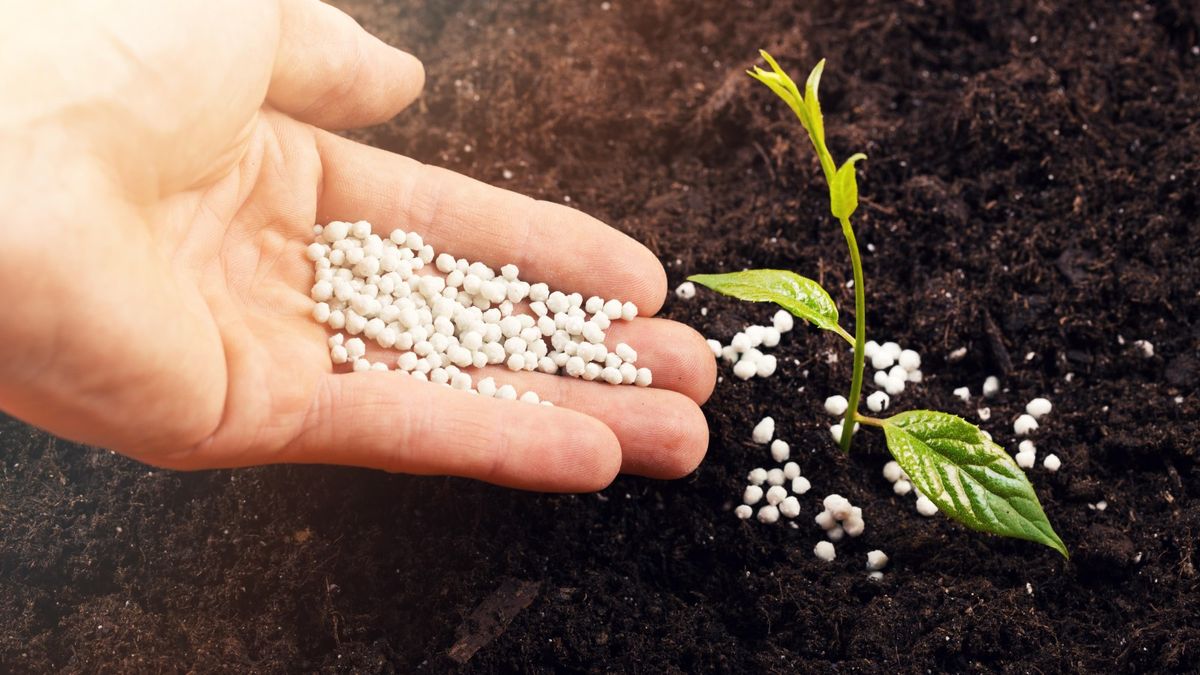
The role of Triacontanol in Improving
Environmentally induced stress is a key factor in reduced crop production.
Triacontanol assists in coping with environmental stress.
1. Drought Stress Tolerance
- Tria
- Reduces excessive transpiration
- Enhances water retention
- Keeps Leaf Turgor
Assists in sustained growth in plants during water shortages
Such an effect is especially important in arid and semiarid regions.
2. Heat Stress Protection
- At high temperatures, Triacontanol
- Stabilizes cell membranes
- Improves antioxidant enzyme activity
- Reduces oxidative damage
Prevents Leaf Scorching
Plants will stay greener and productive despite the wave of heat.
3. Tolerance to Salinity and Soil Stress
- Triacontanol
- Improving ion balance in roots
- Enhanced osmotic regulation
- Less salt damage
Such an application enhances plant performance in saline soils.
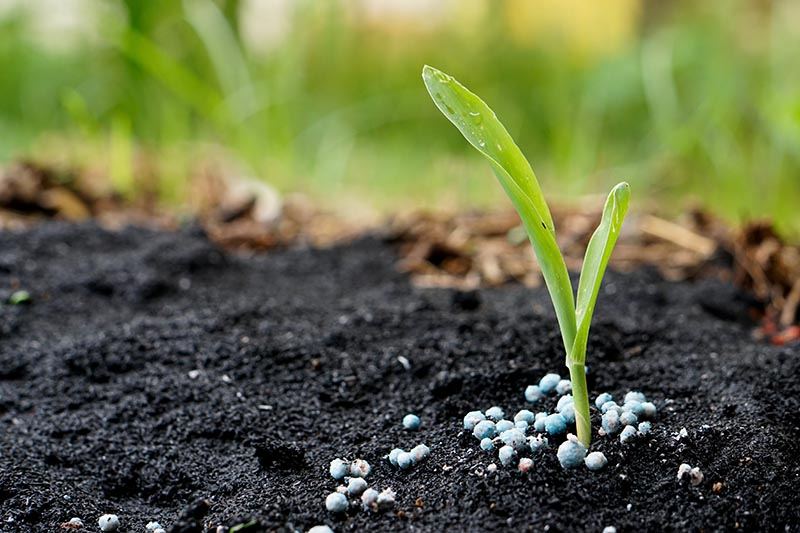
Benefits in Agriculture using Policosanol (Triacontanol
Farmers using Triacontanol will notice:
- Easier seedling establishment
- Higher Plant Height and Biomass
- Increased strength in stems and branches
- Improved flowering and fruiting performance
- Increased yields and uniformity of crops
- Enhanced quality of fruits, grains, and vegetables
- Lower crop losses from stress
Such advantages will have a direct impact on increased profitability and better agricultural practices.

Use of Policosanol (Triacontanol) as a Natural Fertilizer
1. Foliar Application
Most effective and widely used method.
- Dosage: 10–
- Frequency: Every 10-15 days
- Timing: Early Morning or Late Afternoon
2. Seed Treatment
Enhances germination and seedling establishment.
- Dosage: 5-
- Soaking time: 6-12
3. Application by Soil or Drip Method
Encourages root development and nutrient absorption.
- Used at very low concentrations
- Suitable for Greenhouse and Orchard crops
4. Combination with Fertilizer Use
- Compatível com
- Nitrogen, Ph
- Organic manure
- Humic and Fulvic Acids
- Seaweed extracts
- Amino Acids
Thus, this blend optimizes fertilizer utilization.
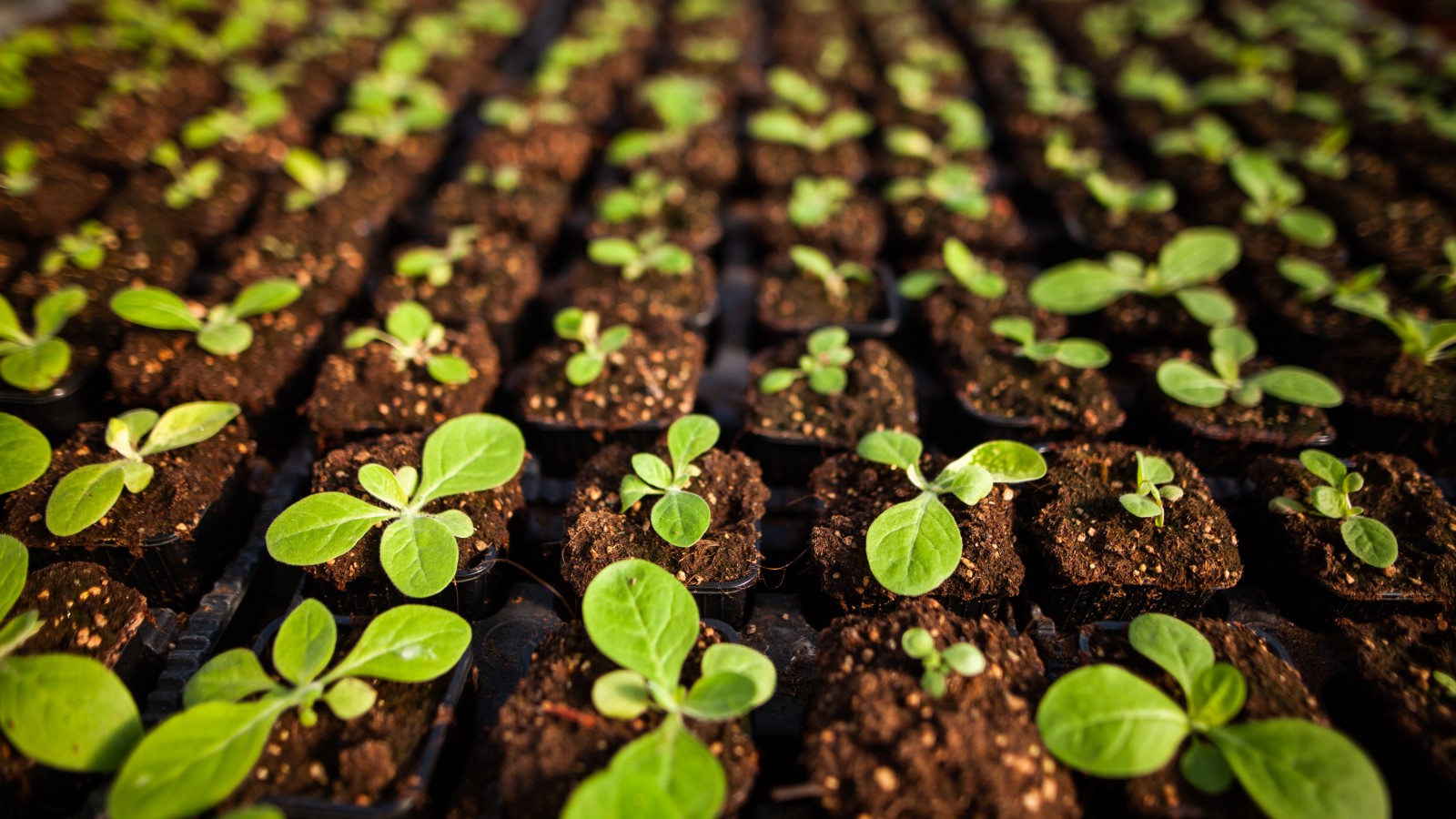
Triacontanol: Justification in Relation to Sustainable/Organic
A) Policosanol (T
- Plant-based and natural
- Non-toxic and residue-free
- Highly effective at very low doses
- SAFE ON SOIL MICROBES & BENEFICIAL INSECTS
- Environmentally friendly
It promotes high yields and is less reliant on excessive chemical fertilizers.

Conclusion: Triacontanol Is a Powerful Natural Fertilizer Enhancer
Policosanol (Triacontanol) does not replace conventional fertilizers, but rather it increases their effectiveness. Triacontanol functions in a way that encourages and activates plant metabolism, such as increasing plant photosynthesis, improving root systems, and increasing resistance to stress. With rising environmental concerns in agriculture, Triacontanol is a natural and efficient tool for getting enhanced crop growth and production.