As agriculture develops to be more sustainable and more environmentally friendly, so farmers and growers are further seeking natural products that support plant growth, enhance resilience, and provide better yield with minimal reliance on chemicals. Among the list of natural compounds gaining popularity, especially, is one called Policosanol and its most active form, Octacosanol.
Although initially identified for its value to human health, there is very strong recent recognition in agriculture of the multiple roles that Policosanol has in physiology, resistance to stresses, and overall performance of crops.
The following comprehensive guide has been developed to explore what Policosanol is, how it works in plants, its agricultural benefits, practical uses, and the visible effects growers can expect.
What is policosanol?
Policosanol represents a mixture of aliphatic long-chain alcohols of natural origin, present in plant waxes. It is obtained from the following:
- Sugarcane wax
- Rice bran
- Wheat germ
- Beeswax
- Other sources of natural waxes
It includes, among others, the most biologically active and most researched compound for plant growth enhancement: Octacosanol, C28.
These long-chain fatty alcohols appear naturally in the cuticular wax layer of plants, a protective coating on leaves, stalks, and fruits. Supplementation with Policosanol reinforces this layer, strengthening the plant's resilience and improving growth.
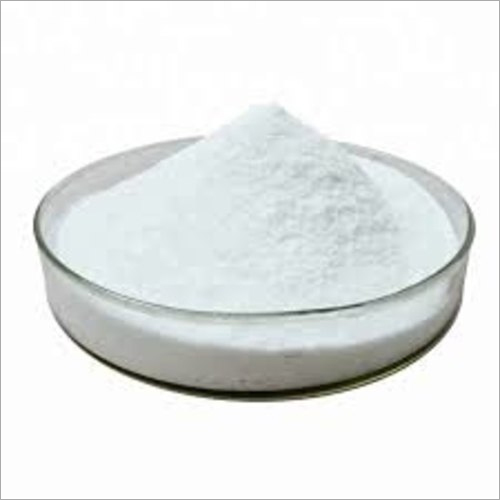
Why Policosanol Matters in Agriculture
Such is the agricultural value of Policosanol because it can support plant health on multiple counts:
- Growth stimulation
- Resistance to stress
- Root development
- Leaf protection
- Improvement in flowering and fruiting
- Soil and Nutrient Efficiency
Unlike chemical growth regulators, Policosanol works in harmony with plant physiology; therefore, it is the ideal candidate for sustainable and organic farming systems.

Key benefits of Policosanol in Agriculture
The following are major benefits that Policosanol provides to modern farming.
1. Enhanced Plant Growth and Biomass
It stimulates total plant growth, including:
- Stimulating chlorophyll production
- Increasing photosynthetic efficiency
- Supporting the production of ATP or energy within the plant cell.
- Nutrient absorption enhancement
Plants treated with Policosanol commonly have:
- Faster vegetative growth
- Larger and greener leaves
- Improved plant strength for the stem
- Better overall vitality
This makes it highly useful during the early to mid-growth stages.
2. Strengthens Cuticular Wax Layer
It is the first line of defense for the plant.
Policosanol acts to:
- Reconstruction and thickening of the wax layer
- Protect leaves against excessive sunlight.
- Reduce water loss
- Reduce pathogen penetration
- Improve drought tolerance
The stronger the cuticle, the stronger will be its survival under adverse circumstances.
3. Improves Drought and Heat Resistance
This benefit has a very high value considering increased climate stress around the world.
Policosanol-treated plants display :
- Reduced Transpiration or water loss
- Higher retention of moisture
- Improved stomatal regulation
- Improved production of antioxidants
This will also keep crops active, even during hot and dry seasons.
4. Improves Root Growth and Soil Absorption
Healthy plants depend on their roots.
Policosanol acts by improving the following:
- Elongation of primary root
- Lateral root development
- Nutrient uptake efficiency
- Water Absorption Capacity
Strong root development will enable the plants to tolerate poor soil, salinity, and nutrient imbalance.
5. Improves Flowering and Fruit Set
Since Policosanol enhances metabolism and energy transfer, flowering crops will benefit hugely.
Growers often report:
- More flower bud formation
- Improved pollen quality and vigor
- Reduced flower drop
- Higher fruit-setting percentage
- Better size and uniformity of fruits
This is particularly useful in fruit trees, vegetables, and horticultural crops.
6. Enhances Natural Immunity and Disease Resistance
Policosanol is not a fungicide or pesticide; it allows plants to naturally resist diseases by:
- Cell wall strengthening
- Increase the production of defense enzymes.
- Activating immunity-related pathways
- Reduction of fungal penetration on leaf surfaces.
Healthier plants are more resistant to diseases and require fewer chemical interventions.
7. Improving Nutrient Efficiency and Fertilizer Response
Policosanol supports better nutrient transport inside the plants. Thus, it results in:
- Smarter Use of NPK Fertilizers
- Reduced nutrient wastage
- Stronger growth even on poor soils
- Better resistance to mineral deficiency
It works well combined with:
- Seaweed Extract
- Humic and fulvic acids
- Amino acid
- Microbial fertilizers
Policosanol Mechanism of Action in Plants: The Science Behind It
Policosanol impacts several of the internal plant processes such as:
1. Energy Production inside the Cell
It enhances the production of ATP inside plant cells, enabling plants to be more energetic in their growth and stress repair.
2. Photosynthetic Activity
It enhances chlorophyll concentration and thus CO₂ assimilation, enhancing plant productivity directly.
3. Biosynthesis of Waxes
It enhances the synthesis of very long-chain lipids involved in cuticular wax development.
4. Regulation of Stress Hormone
This helps in balancing ABA-abscisic acid and other stress-related hormones, thus improving tolerance in plants.
5. Antioxidant System Activation
Policosanol enhances the activity of antioxidant enzymes that help plants cope with heat, UV, and drought stresses.
Agricultural Uses of Policosanol
This policosanol is applied variably across farming systems.
1. Foliar Spray (Most Common Method)
Extensively used in vegetables, fruits, and field crops.
- Dosage: 20–50 mg/L
- Frequency: Every 10–15 days
- Best time: early morning or late afternoon
The foliar application directly enhances leaf strength, wax formation, and stress resistance.
2. Seed Priming / Seed Soaking
Improve germination and early vigor, ensure seedlings are more uniform.
- Dose: 5–10 mg/L soak solution
- Duration: 6–12 hours
This method applies most effectively to grains and vegetables.
3. Root drench or drip irrigation
Application in orchards, greenhouses, and large farms.
The benefits include:
- Improved root mass
- Quicker nutrient uptake
- Increased survival under transplanting
4. Blending with Fertilizers
Compatible with organic and inorganic fertilizers, including :
- Compost tea
- Liquid fertilizers
- npk blends
- Preparation of microbial formulations
This enhances nutrient efficiency and reduces wastage.

Visible Effects of Policosanol on Plants
Growers often find:
Larger, more green leaves
Plants are visibly more vigorous and have a higher density of chlorophyll.
Stronger Stems and Branches
Improved structure means increased resistance against wind and mechanical stresses.
Faster growth and early vigour
They are fast and even in establishment when they are seedlings.
Better flowering and fruiting
Increased fruit set and improvement in yield quality.
Reduced wilting under heat
Plants are firmer and greener during stressful weather.
Improved harvest quality
Improved weight, uniformity, color, and postharvest performance.

Why Policosanol is Ideal for Sustainable Agriculture
Modern farming, in fact, needs machinery and tools that are not only safe and effective but also environment-friendly. Indeed, it is a perfect fit for policosanol.
It is:
- Natural and plant-based
- Biodegradable
- Non-toxic to humans, plants, and soil life.
- Highly effective even at very low dosages
- Safe for beneficial insects
- Suitable for organic farms and eco-certifications
The active ingredient of 3% pyrethrin is toxic to a wide variety of insects. In general, however, predaceous and parasitic insects are not harmed by pyrethrins and thus pyrethrins can be considered relatively safe for beneficial insects.
Applicable to organic farms and eco-certifications
With growers continuing to decrease chemical inputs, Policosanol represents a clean and sustainable route to improved plant health.
Conclusion: Policosanol-a natural solution for more robust, healthier, more resilient crops.
Due to a broad spectrum of benefits, policosanol, in particular Octacosanol, is increasingly becoming an important means in agriculture:
- Improves growth and vigor in plants.
- Strengthens the cuticular wax layer.
- Improves root growth.
- Improving efficiency of nutrient use It
- promotes more flowers and fruit set.
- Increases drought, heat, and salinity tolerance
- Supports plant immunity naturally
- Improvement in crop quality and yield
Whether applied to vegetables, grains, fruits, ornamentals, or industrial crops, Policosanol offers a powerful, natural, and sustainable means to ensure optimal health of plants from seeding to harvest.