Yeast hydrolysate improves feed palatability by increasing the availability of amino acids, nucleic acids, and nucleotides. These compounds are released during the hydrolysis process, which breaks down the yeast cell wall and cytoplasmic macromolecules.
Focus on hydrolyzed yeasts
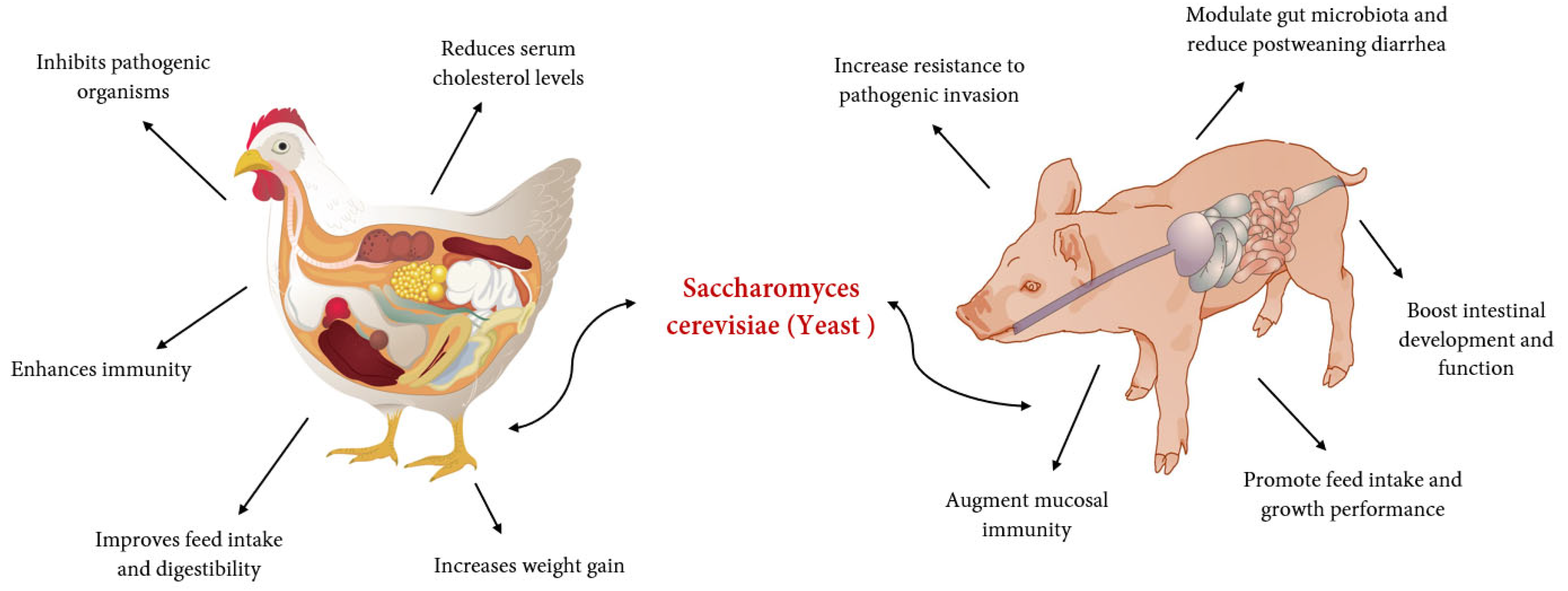
Hydrolyzed yeasts are currently in focus as a "functional protein source" in the feeding of young animals. They deliver highly-digestible proteins and provide a source of amino acids, nucleic acids and immunomodulatory yeast cell wall components – therefore a "functional" protein source.
The yeasts are extracted by hydrolysis, a gentle process in which all nutrients are released and made more available for high digestibility. The yeast cells are released into yeast cell wall components (30%) and yeast extract (70%). Hydrolyzed yeast products contain both components of the yeast cell wall – mannan oligosaccharides (MOS) and β-glucans – along with the constituents of the yeast extract: highly digestible proteins, essential and functional amino acids such as the umami-tasting glutamic acid, nucleic acids as a source of nucleotides, vitamins and minerals. Beneficial effects of the nucleotides include faster intestinal recovery, e.g. after diarrhea, and a faster immune response in different disease situations.
How it works
1. Amino acids
Yeast hydrolysate increases the availability of amino acids, including glutamic acid, which contributes to flavor.
2. Nucleic acids and nucleotides
The hydrolysis process increases the availability of nucleic acids and nucleotides.
3. Umami taste
The hydrolysis process increases the availability of umami-taste amino acids.
Palatability's importance within the pet food industry
Palatability still remains an important trend and an important driver for the design and development of new products within the pet food industry. Over the last several years, a significant number of products that have come to the market have presented claims related to palatability: high palatability, highly palatable or making reference to specific flavors such as chicken, beef or fish (Innova Market Insights). Upon the increasing competition within this industry, with lot of new products being launched in the market annually, new solutions for promoting differentiation are needed.
How Yeast Hydrolysate Enhances Feed Palatability
1. Natural Umami and Savory Flavor
Yeast hydrolysate contains free amino acids, peptides, and nucleotides, which create a rich umami taste that attracts animals.
2. Masking Unpleasant Feed Ingredients
Some feed ingredients (e.g., vitamins, minerals, fish meal, soybean meal) have bitter or off-putting tastes.
Yeast hydrolysate acts as a natural flavor enhancer, balancing off-flavors and improving overall palatability.
3. Improves Feed Texture and Moisture Retention
Helps maintain moisture content in pelleted and extruded feeds, preventing dry and dusty textures that animals may reject.
4. Ideal for Young and Picky Eaters
Supports feed acceptance in weaning piglets, calves, poultry chicks, and aquaculture species that are transitioning to solid feed.
5. Enhances Synergy with Other Feed Additives
Works well with organic acids, probiotics, and essential oils to improve both taste and gut health.
In aquafeed, it pairs effectively with fish meal alternatives like insect protein and plant-based proteins.
Yeast Hydrolysate Animal Feed: Dosage, Applications
| Animal Type | Recommended Yeast Hydrolysate Inclusion (%) | Purpose |
| Piglets | 2–5% | Increases feed intake, supports gut health |
| Broilers | 1.5–3% | Improves early growth, enhances digestion |
| Dairy Cows | 1–3% | Encourages consistent intake, enhances milk yield |
| Beef Cattle | 1–3% | Boosts feed efficiency and weight gain |
| Fish & Shrimp | 2–6% | Acts as a natural attractant, promotes growth |
| Dogs & Cats | 1–4% | Enhances flavor, improves digestion |
Guidelines for Formulation
1. Particle Size: Use fine powder for better integration into pelleted or extruded feeds.
2. Solubility: Use soluble yeast hydrolysate for liquid feed applications (e.g., milk replacers).
3. Storage: Keep in a cool, dry place to maintain freshness and efficacy.
Commercial formulations of yeast hydrolysate offer standardized nutrient profiles, ensuring consistent quality. They are often processed to enhance shelf life and ease of incorporation into various feed types.

Conclusion
Solutions containing yeast extract and hydrolyzed yeast have shown to have good palatability for both dogs and cats. The yeast processing, through autolysis and hidrolysis processes, was an effective tool to improve a product palatability, since the processed forms were shown to be more palatable than the inactive one. Hence, processed yeast can be used as a solution for pet food differentiation.
References
Bradshaw, J.W.S. The evolutionary basis for the feeding behaviour of domestic dogs (Canis familiaris) and cats (Felis catus). The Journal of Nutrition, v. 136 (7 Suppl.), p. 1927S-1931S, 2006.
Bazolli, R. et al. Effect of the particle size of maize, rice and sorghum in extruded diets for dogs on starch gelatinization, digestibility and fecal concentration of fermentation products. Journal of Animal Science, v. 93, p. 2956-2966, 2015.
Martins, M. et al. Brewer's yeast and sugarcane yeast as protein sources for dogs. Journal of Animal Physiology and Animal Nutrition, v. 98, p. 948-957, 2014.
Tobie, C. et al. Assessing food preferences in dogs and cats: a review of the current methods. Animals, v. 5, p. 126-137, 2015.