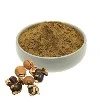
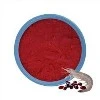
Adding beta-carotene (Vitamin A) powder to pet food is a smart nutritional choice that supports vision, immunity, coat health, and overall well-being in pets. With antioxidant benefits, safe conversion to vitamin A, and an appealing color, it enhances both nutritional value and product attractiveness. Ready to improve your pet food formulation?
What is Beta-Carotene?
Beta-carotene is a natural color found in various fruits and vegetables, acting as a precursor (provitamin A) to vitamin A. It is an essential nutrient that supports vision, immune function, skin health, and overall well-being in pets. In Pet nutrition, incorporating pure beta carotene powder into pet food formulations can enhance the health and well-being of companion animals.

How to Extract Beta-Carotene?
This is an eco-friendly, solvent-free method used for extracting high-purity β-carotene1. Preparation of Raw Materials (similar to solvent extraction)2. Supercritical CO₂ Application
Carbon dioxide (CO₂) is compressed above its critical temperature (31°C) and pressure (73 atm) to become a supercritical fluid.
The supercritical CO₂ acts as a solvent and extracts beta-carotene from the raw material.
3. Separation
The CO₂ is depressurized, causing beta-carotene to precipitate out.
The CO₂ is recycled back into the system, making it a sustainable process.
4. Drying & Powder Formation
The extracted bta-carotene is further processed into powder or beadlet form for pet food applications.
5. Advantages
- No toxic solvents – environmentally friendly
- High purity and potency
- Better stability of beta-carotene
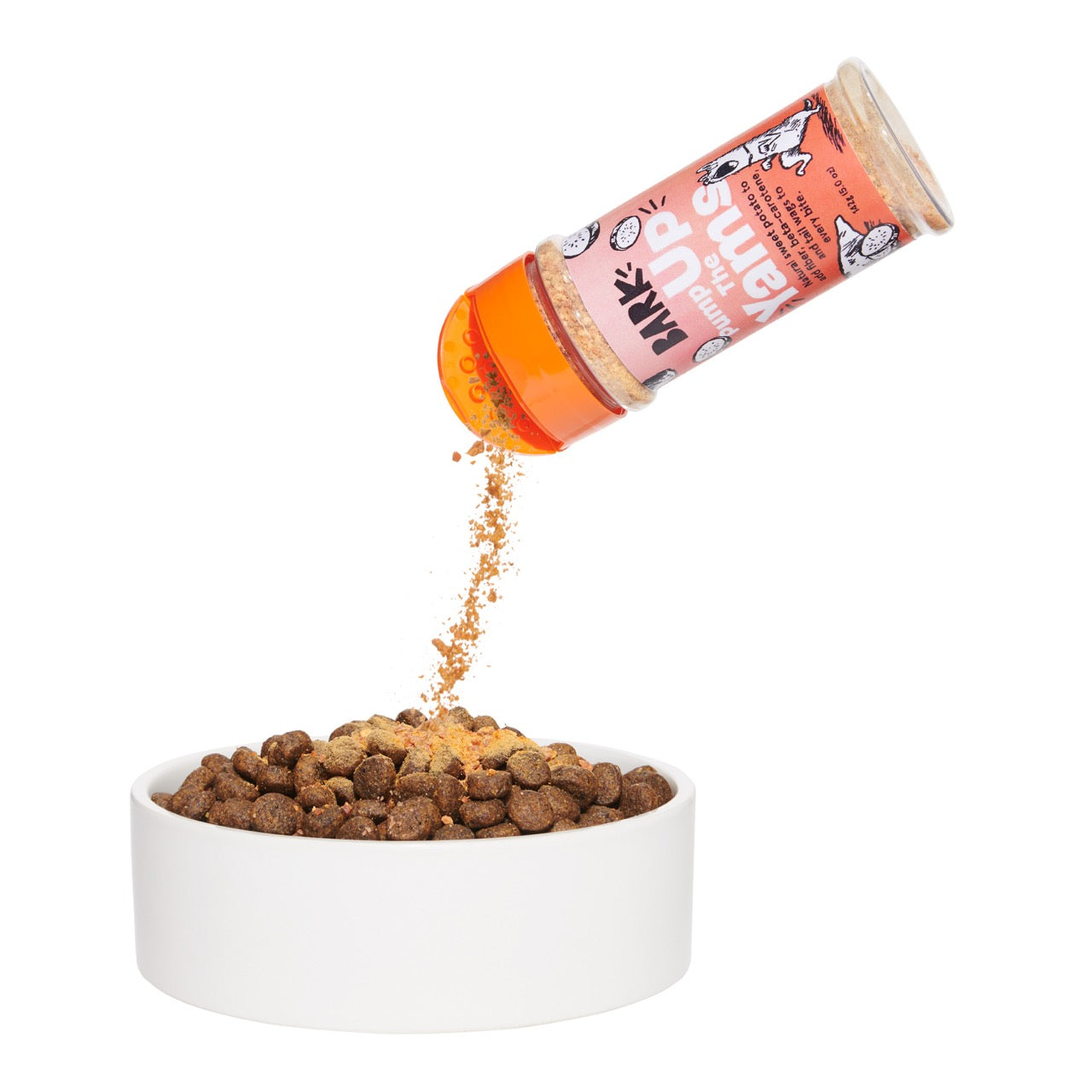
Nutritional Value of Beta-Carotene Powder
| Nutrient | Function in Pets |
| Beta-Carotene (Provitamin A) | Converted into vitamin A for vision, growth, and immunity |
| Antioxidants | Protects cells from oxidative stress |
| Carotenoids | Enhances coat color and skin health |
| Zero Toxicity Risk | Excess beta-carotene is safely excreted |
Unlike preformed vitamin A, beta-carotene does not accumulate to toxic levels, making it a safer alternative in Pet food.
Dosage in Dry and Wet Pet Food
The optimal dosage of beta-carotene in pet food varies based on species, size, and age.
| Pet Type | Recommended Dosage (per kg of food) |
| Dogs | 2 – 6 mg |
| Cats | 1 – 4 mg |
| Birds | 3 – 8 mg |
| Fish | 4 – 10 mg |
Dry Pet Food: Typically requires higher doses as beta-carotene is less stable in dry formulations.
Wet Pet Food: Lower doses are sufficient due to better bioavailability.
*Tip: Always follow AAFCO (Association of American Feed Control Officials) and veterinary guidelines to ensure appropriate dosages.

Color, Taste, and Formula Considerations
1. Color
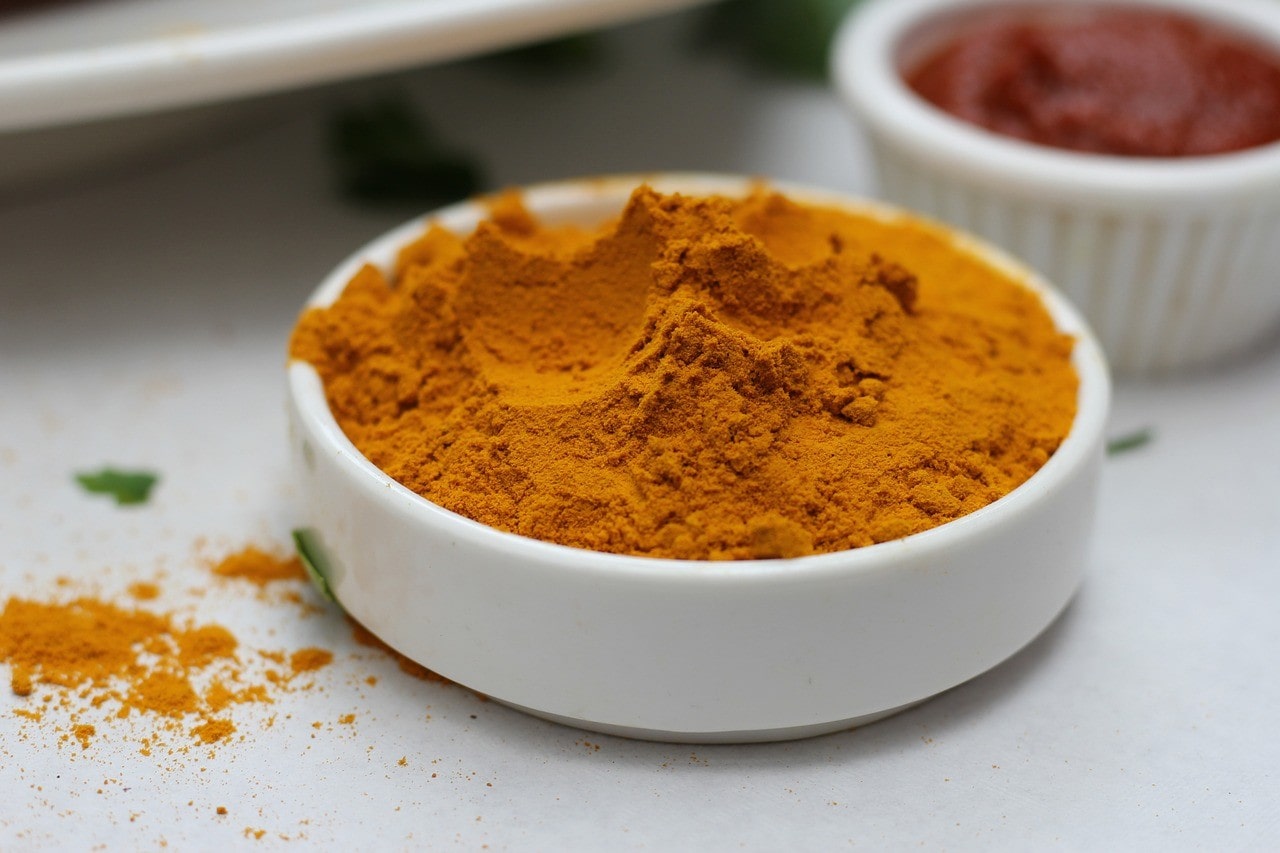
Natural pigment: Beta-carotene adds a yellow to orange hue to pet food.
Enhances the appearance of kibble and canned pet food.
2. Taste
Mild taste: Does not alter pet food flavors.
May enhance palatability due to its natural source.
3. Stability in Formulations
Beta-carotene is sensitive to heat, light, and oxygen.
Encapsulated forms improve stability in dry pet food.
In wet food, it remains stable due to reduced oxidation.
Benefits of Adding Beta-Carotene to Pet Food
- Provitamin A Function
- Antioxidant Properties
- Immune System Support
- Skin and Coat Health
- Reproductive Health
- Eye Health
Application
- Dog and cat food (kibble, wet food, treats)
- Bird and fish feed
- Livestock feed
- Specialty animal nutrition
What Are the Health Benefits of Vitamin A for Dogs?
Vitamin A helps dogs' bodies work right in all sorts of ways. The essential vitamin supports these aspects of canine health:
Growth and Development
Supports Eye Health
Promotes Skin and Coat Health
Helps Boost the Immune System
May Improve Reproductive Function
Aids Cellular Differentiation
Growth and Development
Vitamin A supports bone growth and overall skeletal development, especially in puppies. Young dogs that lack vitamin A might not grow as well as they should and may face abnormalities. Also, this key vitamin promotes the proper growth and development of muscles and tissues. It even supports overall organ health.
Supports Eye Health
Vitamin A helps form rhodopsin, a special pigment in the retina that can help pups see in low light. Without vitamin A, seeing in the dark can be tough for your pup. This night blindness can make them bump into things or feel scared at night. Overall, the essential vitamin supports vision health, helping reduce the risk of night blindness and other eye problems.
Promotes Skin and Coat Health
For optimal coat and skin health, vitamin A helps dogs' bodies produce a special oil called sebum. Sebum acts like a built-in moisturizer, helping keep dry skin, irritation, and flakiness at bay. Another cool thing is that vitamin A aids in the growth and repair of skin cells so that your pup's fur stays smooth and thick. Vitamin A also promotes a glossy coat, making sure your furry friend stands out on their walks.
Helps Boost the Immune System
Vitamin A helps produce white blood cells vital for combating infections and diseases. With a strong immune system, your dog can recover quickly from ailments. That's not all; vitamin A aids in mucus production in the respiratory and digestive tracts, too. These membranes act like a sticky trap, catching harmful bacteria and viruses before they endanger your pup.
May Improve Reproductive Function
Vitamin A promotes the proper function of canine reproductive organs, supporting successful breeding. For females, the essential nutrient is especially crucial during pregnancy. It supports the healthy development of embryos and prevents cleft palate formation and other fetal abnormalities. For males, vitamin A helps produce healthy sperm. With enough of this vitamin, your dog is set for success, whether they're a future mom or dad.
Aids Cellular Differentiation
What exactly is cellular differentiation? Simply put, it's when cells develop into their specific forms and functions in the body. Vitamin A aids in this crucial process, supporting the establishment of different body systems. For example, in puppies, vitamin A supports the formation of tissues. Meanwhile, in older dogs, the vitamin helps repair and maintain these tissues.

Conclusion
Adding beta-carotene powder to pet food isn't just a trend-it's a proven, smart upgrade for your formulation. From supporting sharper vision and a stronger immune system to promoting a shiny coat and vibrant skin, beta-carotene delivers essential health benefits for pets at every life stage. As a naturally sourced, non-toxic antioxidant, it not only enhances wellness but also boosts your product's visual appeal with a warm, appetizing hue. Whether you're formulating dry kibble, wet food, or treats, beta-carotene provides a safe, effective way to stand out on the shelf and win the trust of pet parents looking for quality nutrition. Elevate your pet food brand with the power of beta-carotene-because healthier pets mean happier customers.
References
National Research Council (NRC). (2006). Nutrient Requirements of Dogs and Cats. National Academies Press.
https://www.nap.edu/catalog/10668/nutrient-requirements-of-dogs-and-cats
Association of American Feed Control Officials (AAFCO). (2024). AAFCO Dog and Cat Food Nutrient Profiles.
https://www.aafco.org
PetMD Editorial Team. (n.d.). Vitamin A for Dogs: Benefits, Sources, and Dosage. PetMD.
https://www.petmd.com/dog/nutrition/evr_dg_vitamin-a-for-dogs
VCA Animal Hospitals. (n.d.). Vitamins in Canine Nutrition.
https://vcahospitals.com/know-your-pet/vitamins-in-canine-nutrition
Food and Agriculture Organization (FAO) of the United Nations. (1997). Vitamin A and Carotenoids.
http://www.fao.org/docrep/004/X6519E/X6519E00.htm
BASF. (n.d.). Beta-Carotene in Animal Nutrition. BASF Animal Nutrition Solutions.
https://nutrition.basf.com