Understanding Humic Acid
Humic acids (HA) are organic molecules that play essential roles in improving soil properties, plant growth, and agronomic parameters. The sources of HA include coal, lignite, soils, and organic materials. Humic acid-based products have been used in crop production in recent years to ensure the sustainability of agriculture production.
Studies show that Humic acids (HA) can positively affect soil physical, chemical, and biological characteristics, including texture, structure, water holding capacity, cation exchange capacity, pH, soil carbon, enzymes, nitrogen cycling, and nutrient availability.
HJHERB provides high-quality humic acids that redefine agricultural standards. With a commitment to excellence and sustainability, where humic acids are meticulously sourced and formulated to enhance soil health and maximize crop productivity.
Where Does Humic Acid Come From?
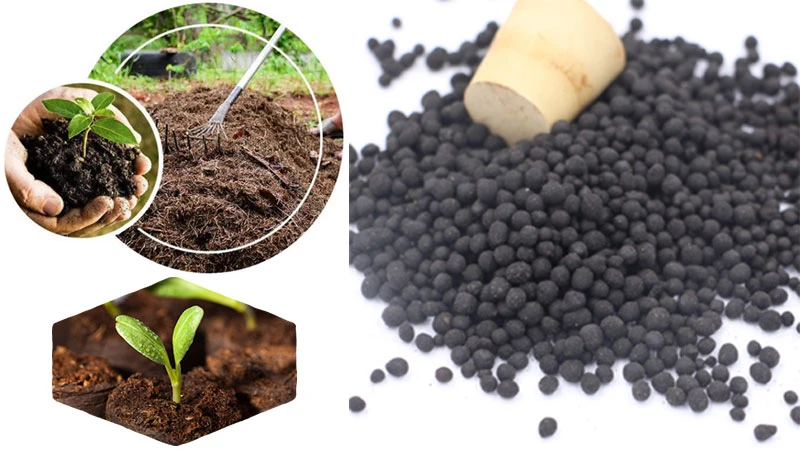
Humic Acid originates from the decomposition of organic matter such as dead plants, leaves, and animal remains. These organic materials undergo microbial breakdown in the soil, leading to the formation of humic substances over time.
Humic Acid can be obtained from sources like peat moss, Leonardite (a type of lignite coal), and composted organic materials. These natural sources contain high concentrations of humic substances beneficial for plant growth.
Humic Acid Versatile Applications
Humic acids find diverse applications across agriculture, horticulture, environmental remediation, and even in some industrial sectors. Here are some common applications:
Agriculture:
- Soil Conditioner: Humic acids improve soil structure, water retention, and nutrient availability, enhancing overall soil health and fertility.
- Fertilizer Additive: They can be added to fertilizers to improve nutrient efficiency and uptake by plants.
- Seed Treatment: Coating seeds with humic acids promotes germination and early root development.
- Foliar Spray: Applied as a foliar spray, they enhance nutrient uptake through leaves and improve plant vigor.
Horticulture:
- Gardening: Used in home gardens and landscaping to improve soil quality and plant health.
- Greenhouse Cultivation: Applied to greenhouse crops to enhance nutrient availability and optimize growing conditions.
Environmental Applications:
- Bioremediation: Humic acids aid in soil and water remediation by binding heavy metals and toxins, reducing their bioavailability.
- Wastewater Treatment: Used in wastewater treatment processes to enhance nutrient removal and improve water quality.
Livestock and Animal Husbandry:
- Livestock Feed Additive: Added to animal feed to improve digestion, nutrient absorption, and overall health.
Industrial Applications:
- Drilling Fluids: Used in oil and gas drilling as a component of drilling fluids.
- Construction: Applied in construction materials for improving soil stability and water resistance.
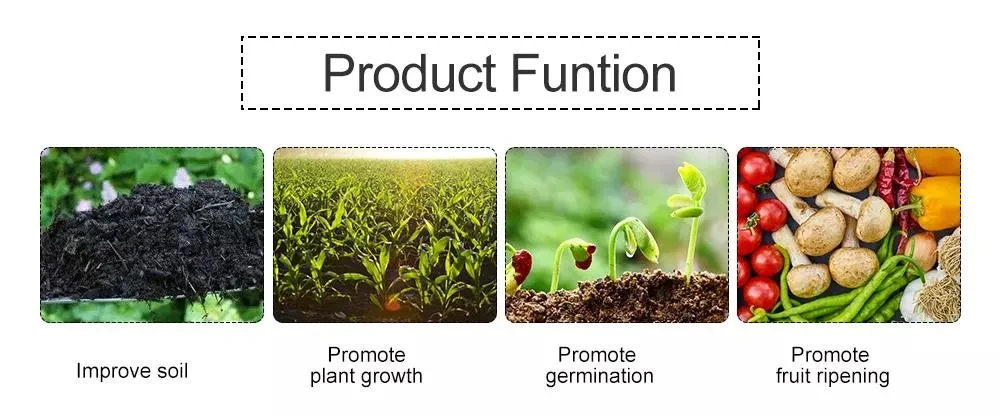
Humic Acid on Enhancing Plant Growth
Humic acids play a crucial role in enhancing crop growth through their impact on soil health and nutrient dynamics. These organic compounds are derived from decomposed organic matter and contribute significantly to soil fertility and structure.
- Nutrient Availability: Humic acids increase the availability and uptake of essential nutrients like nitrogen, phosphorus, and potassium for plants. They chelate or bind with these nutrients, making them more accessible to plant roots, thus enhancing nutrient uptake efficiency.
- Water Retention: They improve the soil's water-holding capacity by enhancing soil structure. This results in better water infiltration, reduced runoff, and improved drought resistance for plants, especially in sandy or loamy soils.
- Soil Structure: Humic acids promote soil aggregation, creating a crumbly and well-structured soil. This enhances root penetration, aeration, and drainage, which are critical for healthy root development and overall plant growth.
- Microbial Activity: They stimulate beneficial microbial activity in the soil, which further aids in nutrient cycling and breakdown of organic matter into plant-available forms. This symbiotic relationship supports overall soil health and fertility.
- pH Buffering: Humic acids help to buffer soil pH, maintaining it within an optimal range for nutrient availability and microbial activity, which is crucial for maximizing crop productivity.
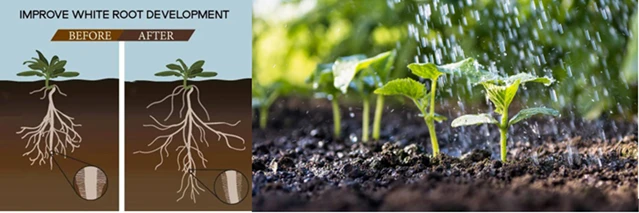
Role of Humic Acid in Fostering Healthy Soil
- Promote the formation of soil aggregates.
Humic acid can promote the formation of soil aggregate structure, and the application of organic fertilizers to the soil can also improve the soil structure. This is mainly through the slow transformation of soil microorganisms. If humic acid fertilizers are frequently applied, this transformation process will be accelerated.
- Conducive to the regulation of water, fertilizer, air and heat conditions in the soil.
When the soil aggregates become better, its bulk density decreases, porosity increases, and it has good permeability. The heat emitted when humic acid fertilizers are decomposed by microorganisms, especially in early spring when crop seedlings are just emerging, can increase the low temperature and play a role in resisting spring cold.
- Transform barren soil and saline-alkali land.
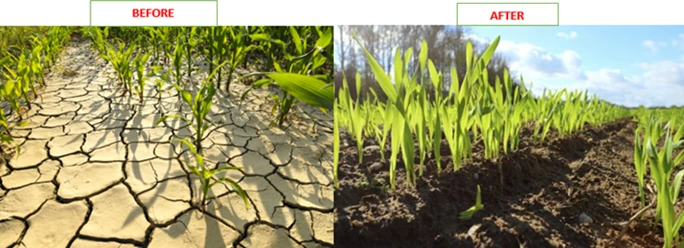
Long-term application of humic acid fertilizers will fundamentally transform poor soil into fertile farmland. The use of humic acid fertilizers in the south to improve "acid, barren, slab, and dry" red soil has also achieved outstanding results. Since the acidity of humic acid can neutralize the alkalinity of saline-alkali land, humic acid can adjust the pH of the soil to achieve the effect of controlling saline-alkali.
- Promote the activity of soil microorganisms.
After applying humic acid fertilizers to the soil, it has an intensifying effect on the activity of microorganisms in the soil. In particular, the soil autogenic nitrogen-fixing bacteria significantly increases, which can significantly increase the nitrate content, enrich the nitrogen nutrition of the soil, and improve crops. Nutritional conditions of the root system. As humic acid (original powder, humic acid content above 50%) that increases organic matter and improves soil, at least 300kg per mu and up to 1000kg for 3 consecutive years or more. For improving saline-alkali soil, sandy soil, white mud soil, etc., It has very good effect.
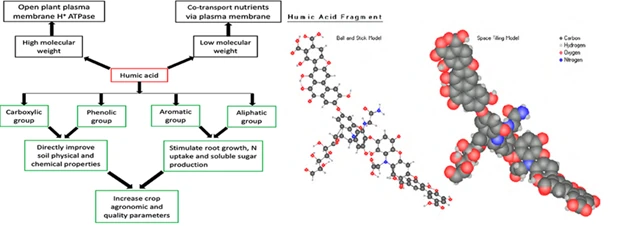
Humic Acids Structure and Functions
A recent study reports that the aromatic and aliphatic functional groups of Humic Acids were responsible for increasing N uptake and soluble sugars, which resulted in a corresponding yield increase in rice. Meanwhile an earlier showed that HS aliphatic and aromatic functional groups stimulated root growth in rice seedlings.
Humic acids are an excellent natural and organic way to provide plants and soil with a concentrated dose of essential nutrients, vitamins and trace elements.
Summing up, humic acids stand as pivotal players in modern agriculture, offering multifaceted benefits that enhance both crop growth and soil health. Through their ability to improve nutrient availability, boost water retention, and foster optimal soil structure, humic acids not only increase crop yields but also contribute to sustainable farming practices. Their applications extend beyond agriculture into environmental remediation and industrial sectors, underscoring their versatility and significance in promoting fertile soils and robust crop growth. Embracing the use of humic acids represents a proactive step towards achieving agricultural sustainability and ensuring future food security amidst evolving global challenges.
Don't miss out on the opportunity to harness the power of Humic Acids Powder/Granule manufacturer GRADE 1 TON in STOCK and take your products to the next level. A sustainable solution that works. Please contact us by email: info@hjagrifeed.com
References
https://www.frontiersin.org/journals/agronomy/articles/10.3389/fagro.2022.848621/full#B100
https://www.frontiersin.org/journals/agronomy/articles/10.3389/fagro.2022.848621/full#B33