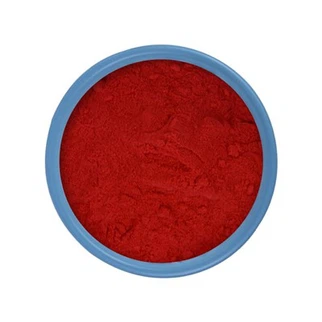
Understanding Tea saponin/Tea seed meal
Tea saponin, also known as tea saponin glycoside, is a type of glycoside compound extracted from the seeds of the tea plant (camellia seeds, tea leaf seeds). It is a highly efficient natural surfactant that finds widespread applications in various fields such as light industry, chemical industry, pesticides, animal feed, aquaculture, textiles, oil extraction, mining, construction materials, and highway construction.
Tea saponins, are natural non-ionic surfactants that offer obvious beneficial effects in soil remediation. Most tea saponins are extracted from the Camellia oleifera seed meal, with the leaves and flowers of Camellia sinensis as potential sources. They are proven to be effective natural surfactants for the remediation of contaminated soils.

Tea Saponin/ Tea Seed Meal Applications:
- Agrochemical auxiliary's area
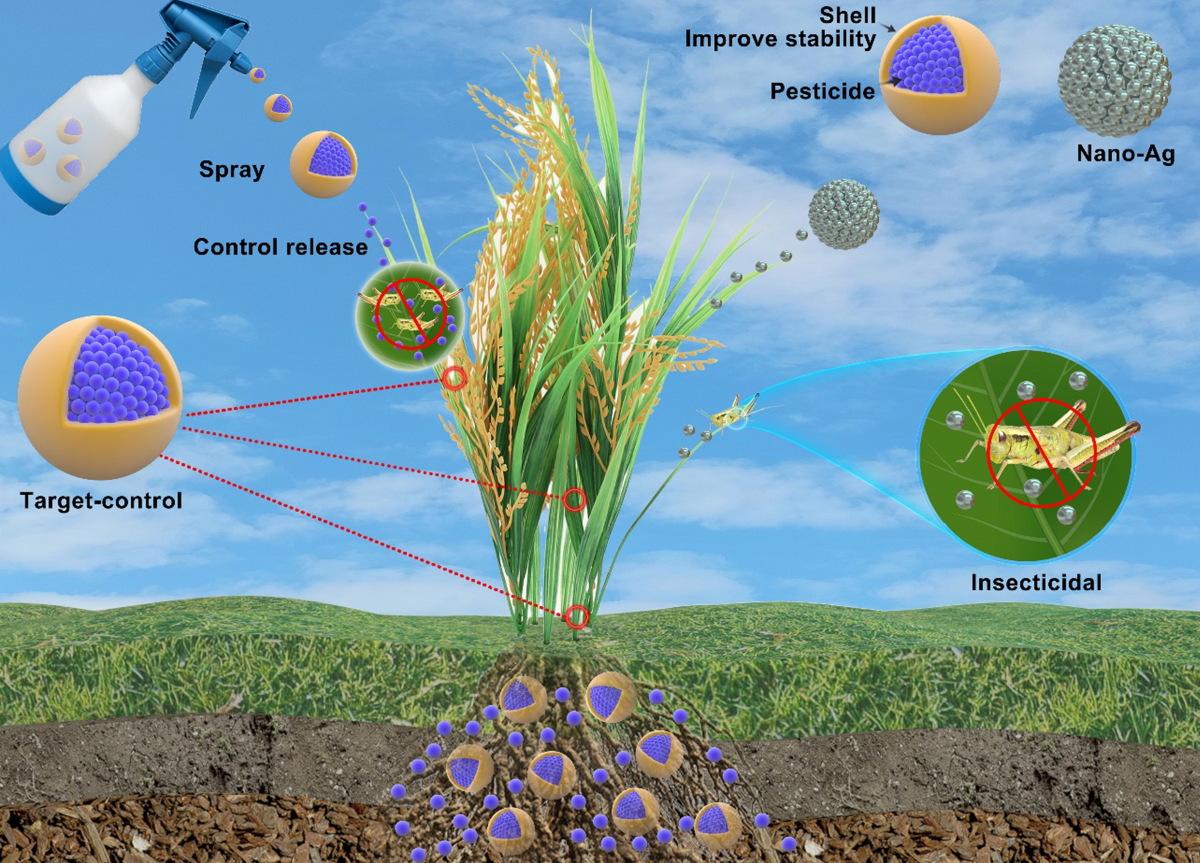
It is an excellent agent and natural surfactant for liquid and water-soluble pesticide. Saponin can self-degradable, and non-toxic. During the separation process it will not impact the chemical property of the pesticide and lasting the effect of the pesticide. Saponin is wildly used in the herbicide (such as Glyphosate), and insecticides (such as Bisultap). Especially for Glyphosate, saponin can improve the adhesive force and wet absorption. Meanwhile enhance the penetration and biological activity of Glyphosate. It can reduce the dosage of pure herbicides to 50%-70%.
- Molluscicide area
It is an organic molluscicide without any potential harm to human, animals and environment. It is largely applied in rice field to kill snails, especially Golden Apple Snail with good efficacy. It also can ensure high harvest and top quality of rice without accumulated harmful elements.

- Aquaculture area
It is extensively used in aquaculture to eliminate unwanted fish and harmful insects in the fish and prawn ponds. Help shrimps take off shell earlier and enhance the growth of shrimps. Detoxify quickly in water and are not injurious to cattle and people who may use the water. Leave no cumulative adverse residues, and it is readily available, economical to use. It can prevent the black-gill shrimp disease and control parasites as well as improve the ecdysis and growing. It can be made for pond-cleaning agent on the account of hemolysis and fish poison functions. In livestock breeding, it can reduce the level of cholesterol inside the animals and develop low-cholesterol animal products.

Benefits of Using Tea saponin/Tea seed meal
- Natural Pesticide:
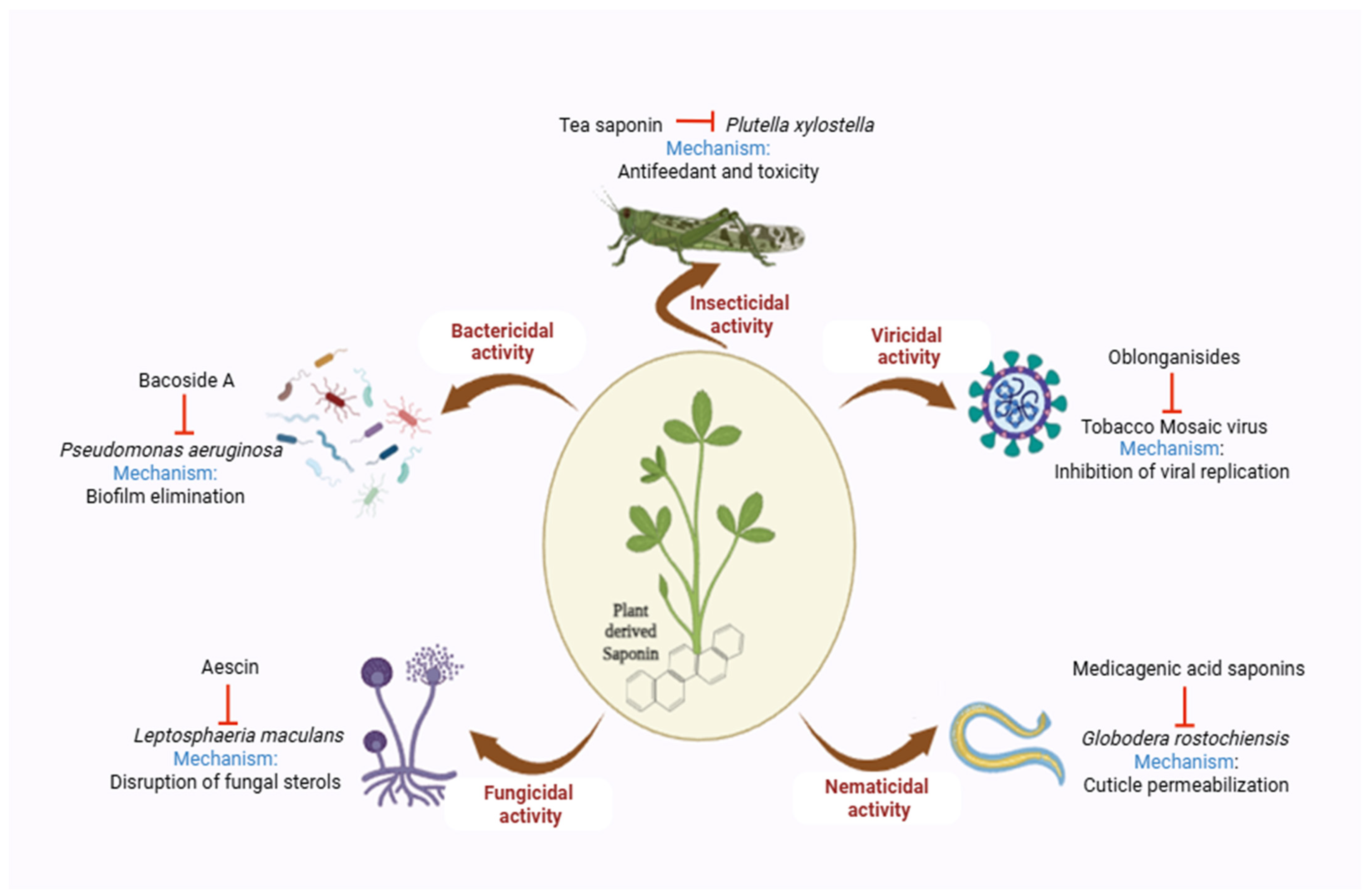
Tea saponin is a natural surfactant and pesticide. It can disrupt the cell membranes of pests like aphids, mites, and other insects, leading to their death. This makes it an effective alternative to synthetic pesticides, reducing chemical residues in agricultural products and minimizing environmental impact.
- Biodegradability:
Unlike synthetic pesticides, tea saponin breaks down into non-toxic components over time, reducing its persistence in the environment and potential harm to non-target organisms.
- Soil Amendment:
Tea seed meal, which is the residue left after oil extraction from tea seeds, is used as an organic fertilizer and soil conditioner. It enriches the soil with nutrients such as nitrogen, phosphorus, and potassium, improving soil structure, fertility, and water retention.
- Weed Control:
Tea seed meal contains saponins and other compounds that have herbicidal properties. It can suppress weed growth by inhibiting seed germination or root growth, making it useful in organic weed control strategies.
- Disease Suppression:
Tea seed meal has been shown to suppress certain soil-borne pathogens and nematodes. It can help reduce diseases in crops by inhibiting the growth of pathogens or by promoting beneficial microorganisms in the soil.

- Bio stimulant Effects:
Tea saponin can stimulate plant growth and enhance crop yield by improving nutrient uptake and enhancing photosynthesis. It acts as a natural bio stimulant, promoting overall plant health and resilience to environmental stresses.
- Organic Certification:
Both tea saponin and tea seed meal are considered organic inputs, which can help farmers meet organic certification standards. They contribute to sustainable agricultural practices by reducing reliance on synthetic chemicals.
- Cost-Effectiveness:
While initially perceived as more expensive than synthetic pesticides, the long-term benefits of tea saponin and tea seed meal in terms of improved soil health, reduced pest resistance, and minimized environmental impact can lead to cost savings over time.
Usage & dosage:
For Agriculture use:
- Herb kills golden snail quickly and effectively, harmless with environment and add nutrients to the soil, improve soil.
- Move follows water into the golden snail's mouth. Immediately affect the respiratory system, then the digestive system. Make golden snail be viscous, cannot eat, cannot move and die.
- Kill golden snails very fast and very effectively, kill both big and small golden snails.
- Add nutrients to the soil.
- Be herb origin, be safe for human and ecological environment.
- Dosage: 2.5-3kgs / 1,000 m2
Notes:
- Spray time: Before or after 3 days to get maximum efficiency.
- Can mix with sand, sawdust to spread. Especially it can mix with fertilizer to kill golden snail and top-dressing for the first phase.
- Spread evenly over the surface, spread directly without soaking.
- Wear full protective clothes when exposing this product.
- Do not eat, drink or smoke while exposing this product.
- Do not spread upstream the wind.
- Keep away from children. food and animal food.
For aquaculture use:
- Pond preparation: Removing and killing fish before release shrimp larval and reducing pH level
- Stimulating shrimp moult and grow up
- Improving watercolors (Saponin will be decomposed)
- Reducing scum layer, on water surface.
Dosage:
- Using for killing miscellaneous fish:
- Salinity 20% or more:
- 10-15 kg/l.000m3.
- Salinity 20% or less:
- 15-20 kg/l.000m3.
- Stimulating shrimp peeled-off and grow up: Using 5-10 kg/1.000m3
Notes:
- Only use in feeding when shrimp is 01 months or more (weight >20g/shrimp).
- When using open-air aeration, should not reduce water depth level because of shrimps' shocking.
- Should not be used when shrimps have just peeled-oft or they are still weak.
- Increasing the using if water is low salinity.
- Saponin should be watered down in 12-24 hours before using.
- Should be used in the sunny morning.

Applications in soil remediation
Leaching remediation, phytoremediation and microbial remediation are three aspects of soil remediation in which tea saponins are utilized. The heavy metals Pb, Cd, Zn, Cu, Cr, Mn and Ni, as well as the organic pollutants pyrene, PAHs, PCBs, polybrominated diphenyl ethers (PBDEs), monophenyl tin, diphenyl tin and triphenyl tin, are the major contaminants studied by researchers.

Yangge Biotech Tea saponin/Tea seed meal Products:
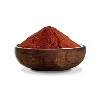
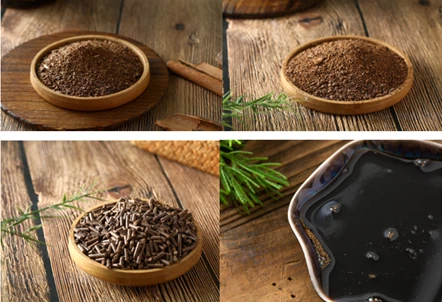
- Tea Seed Meal Without Straw (Saponin≥15%, Moisture≤9%)
Tea seed meal without straw can be used in both agriculture and aquaculture.
Due to the production technology, the appearance had with straw and without straw for options, no difference in other aspects.
- Tea Seed Powder (Saponin≥15%, Moisture≤9%)
Tea seed powder are widely used in aquaculture to kill unwanted wild fishes.
Owing to the powder form, saponin can be quickly released.
- Tea Seed Pellet (Saponin≥15%, Moisture≤9%)
Tea seed pellet are widely used in agriculture to kill snail and earthworm.
Pellet form is convenient to use.
- Saponin Liquid 35% (Saponin≥35%)
Saponin liquid is highly extracted from tea seed meal, efficiently cleaning pond, non-stimulated, no residue.
Wrapping up, Tea saponins emerge as a pivotal natural resource in modern agriculture and soil remediation efforts. Offering dual benefits of effective pest management and soil enhancement, they represent a sustainable alternative to synthetic chemicals. By promoting healthier crops, reducing environmental impact, and supporting organic farming practices, tea saponins not only safeguard agricultural productivity but also foster long-term soil health. As the quest for sustainable solutions intensifies, integrating tea saponins into agricultural practices promises to play a crucial role in shaping a greener and more resilient agricultural landscape for generations to come.
Don't miss out on the opportunity to harness the power of Tea saponin/Tea seed meal manufacturer GRADE 1 TON in STOCK and take your products to the next level. A sustainable solution that works. Please contact us by email: info@hjagrifeed.com