


With more pet owners seeking out higher-quality nutrition for their pets, pet food ingredients are subject to greater scrutiny than ever before. One of the most functional and well-liked ingredients on the market today is hydrolyzed chicken liver-a nutrition and flavor powerhouse that promotes health in pets from the inside out.
But what exactly is hydrolyzed chicken liver, and why is it becoming a go-to ingredient in premium pet foods and treats? In this blog, we'll explain what hydrolyzed chicken liver is, how it's made, its nutritional benefits, and why it's especially useful for pets with dietary sensitivities or special health needs.

What Is Hydrolyzed Chicken Liver?
Hydrolyzed chicken liver is chicken liver that has been dismantled through an enzymatic hydrolysis process. During the process, enzymes naturally present in the liver are used to disassemble the proteins into smaller chemical compounds called peptides and amino acids.
Why Hydrolyze?
The process of hydrolysis:
- Makes the proteins more digestible
- Lessens the chances of being allergic
- Boosts nutrient absorption
- Beefies the flavor and palatability
This makes hydrolyzed chicken liver an extremely digestible, hypoallergenic, and nutrient-rich ingredient which can be fed to dogs and cats of all life stages.
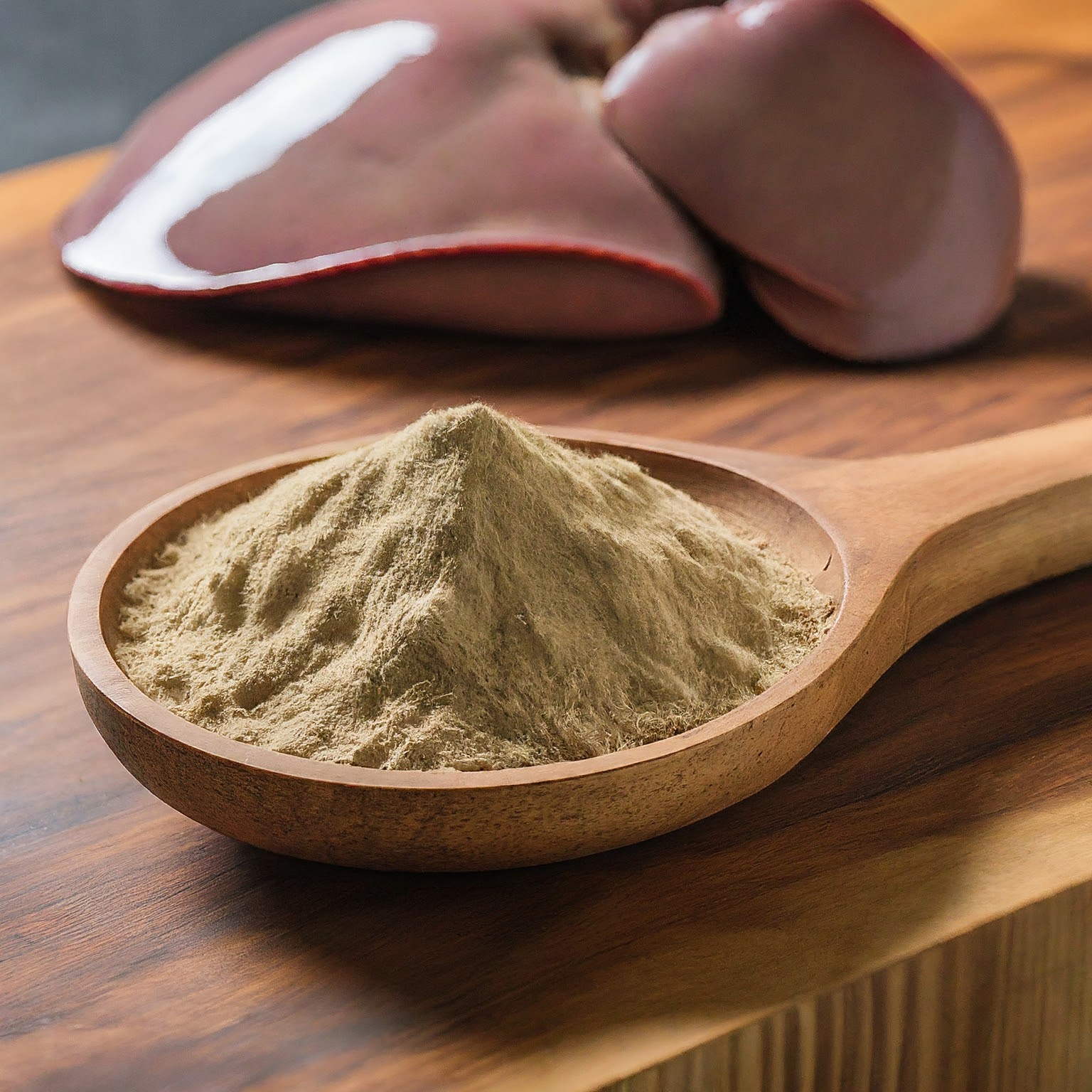
How Is Hydrolyzed Chicken Liver Made?
- It is manufactured from tested, high-quality poultry.
- It is finely milled and mixed with food-grade enzymes.
- The enzymes hydrolyze the large proteins into small peptides and free amino acids.
- The resulting product is then spray-dried or powdered and prepared to be used in dry and wet pet foods, supplements, or treats.
It contains the nutrient amount and does not expose the animal to the risk of allergic reactions, hence absolutely acceptable even for sensitive animals.

Key Advantages of Hydrolyzed Chicken Liver for Pets
1. Very Digestible Source of Animal Protein
Hydrolyzed chicken liver is an excellent source of undenatured animal protein, with all the necessary amino acids for:
- Muscle growth
- Tissue repair
- Immunity
- Synthesis of enzymes and hormones
The proteins being already hydrolyzed, the pets can easily assimilate them, reducing digestive load and enhancing nutrient assimilation.
2. Supports Pets Suffering from Food Allergies or Sensitivities
Intact protein molecules induce food allergies in cats and dogs. Hydrolysis breaks down proteins into pieces too small to trigger immune responses, making hydrolyzed chicken liver an excellent protein to use in:
- Hypoallergenic diets
- Elimination diets
- Animals with IBD (inflammatory bowel disease) or irritable guts
Most veterinary diets employed to treat allergies nowadays use hydrolyzed animal protein as a nutrient source.
3. Rich in Key Nutrients
Chicken liver inherently contains the following nutrients in high amounts:
- Iron – Supports oxygen transport and energy metabolism
- Vitamin A – Supports vision, skin, and immunity
- B-complex vitamins – Supports metabolism and nerve function
- Zinc and Selenium – Supports antioxidant defense and immunity
Hydrolyzed liver retains such nutrients in bioavailable forms so that they become readily accessible to the pet in order to get absorbed and utilized.
4. Enhances Palatability and Food Acceptance
Chicken liver has a natural aroma and is appetizing to dogs and cats. Hydrolysis further enhances the sensory attributes by hydrolyzing peptide and amino acids to intensify flavor.
Hydrolyzed chicken liver is thus a fine natural flavor enhancer in:
- Kibble coatings
- Canned pet food
- Functional pet treats
- Supplements and powders
Even picky eaters are normally more tolerant of diets containing hydrolyzed chicken liver.
5. Helps to Retain Skin and Coat Condition
The hydrolyzed chicken liver's amino acids, vitamin A, and trace minerals facilitate:
- Skin repair and regeneration
- Proper oil production of healthy skin
- Shiny, soft coats
- Less scratching or flakiness
So it is especially wonderful for animals with dull coats, dry skin, or allergies.
6. Immune and Organ Health
Chicken liver that is hydrolyzed is made up of nutrients that play valuable roles in immune modulation, red blood cell production, and liver function. Bioavailable iron and liver B12, for instance, make vital contributions:
- Energy production
- Healthy red blood cells
- Immune cell development
- Antioxidant protection
7. A Natural Source of Taurine and Arginine
Taurine is essential for Dogs and cats. It leads to heart disease and eye disorders in its absence. Arginine helps in detoxification and kidney function.
Chicken liver hydrolysate is naturally a source of both, which lends to:
- Cardiovascular function
- Eye health
- Detox pathways
- Protein metabolism

Applications of Hydrolyzed Chicken Liver for Pet Foods
- Whole pet food recipes (prescription diets or hypoallergenic diets)
- Functional treats for skin, digestion, or immune system
- Meal toppers or flavor enhancers
- Liquid and powdered supplements
- Veterinary prescription diets for elimination trials
Because of its functional versatility and palatability, hydrolyzed chicken liver is used by both high-end pet food manufacturers and veterinary formulators.
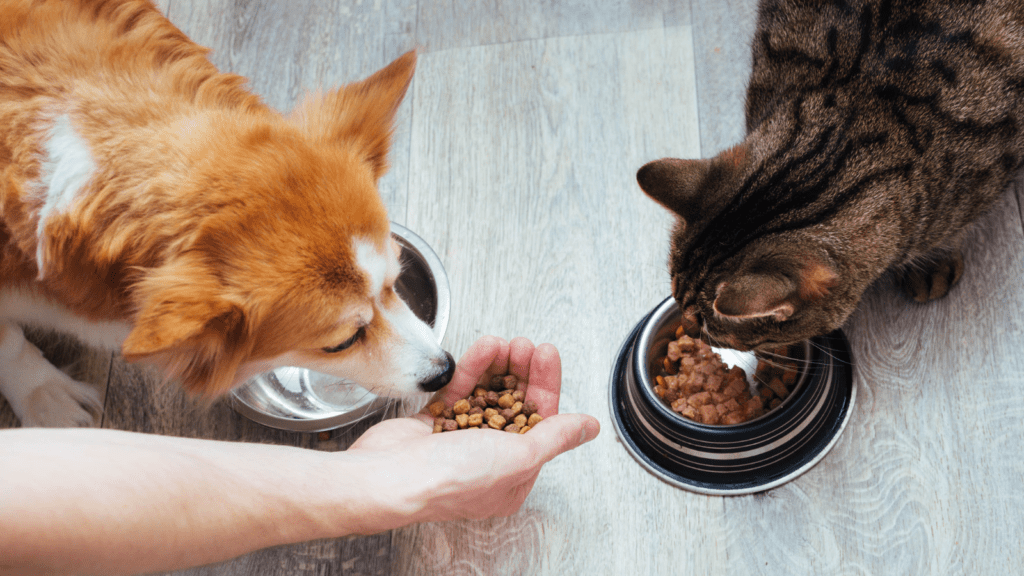
Is It Safe For All Pets?
Yes-if well-made and sourced, hydrolyzed chicken liver is safe and very nutritious for the majority of pets. It's particularly suggested for:
- Allergy-sensitive dogs and cats
- Sick or post-operative pets
- Puppies, kittens, and geriatric animals with greater nutritional needs
- Finicky eaters who need improved food acceptability
But since liver occurs naturally with high vitamin A concentrations, it's just a matter of moderation. Overfeeding liver products can, at worst, lead to vitamin A toxicity, so always observe dosing rates and consult with your vet for specific dietary needs.
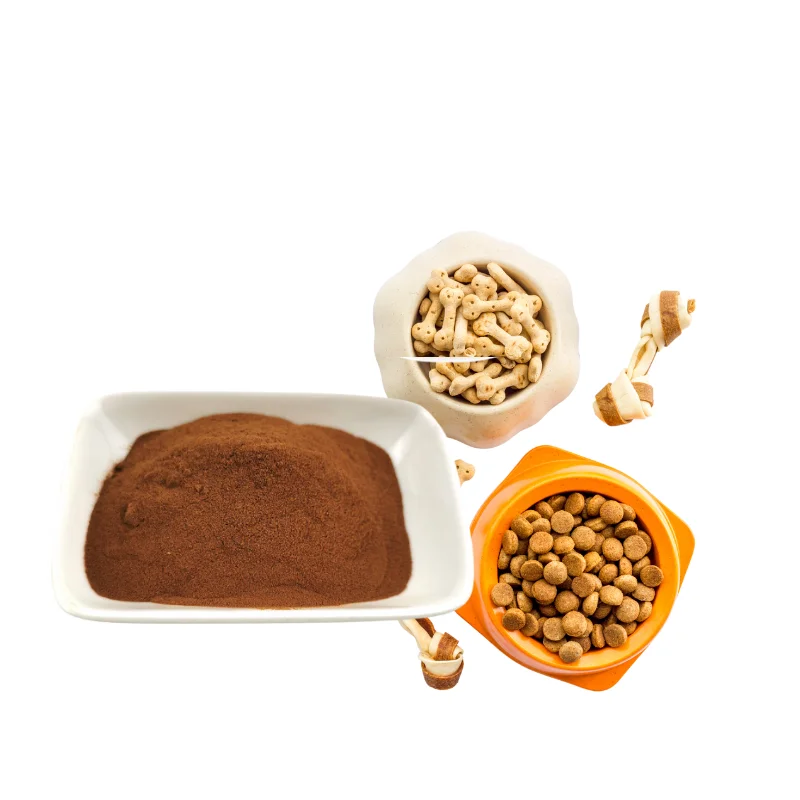
How to Choose High-Quality Hydrolyzed Chicken Liver Products
To ensure safety and effectiveness:
- Choose products produced by reputable manufacturers
- Use human-grade or veterinarian-grade sources
- Avoid low ash and heavy metal content
- Ensure lack of artificial flavorings or preservatives
- Verify meal guidelines and reach out to your veterinarian

Conclusion
Hydrolyzed chicken liver is a superfood ingredient that is extremely digestible, hypoallergenic, and nutrient rich, playing a role in pet health and wellness through the life stages. From its palatability and digestibility to its exceptional vitamin and mineral profile, it plays an important role in contemporary pet nutrition-particularly for sensitive animals or animals requiring high-performance assistance.
Whether you're formulating a premium pet food, a veterinary diet, or simply looking to enhance your pet's current meals, hydrolyzed chicken liver offers an unmatched blend of nutrition and function.
References
Beynen, A. C. (2002). Nutritional benefits of animal-derived protein ingredients in pet foods. Wageningen Academic Publishers.
Highlights digestibility and nutritional quality of animal proteins such as liver in pet nutrition.
Markwell, P. J., & Earle, K. E. (1995). Clinical nutrition of the dog and cat. Blackwell Science Ltd.
Discusses hypoallergenic diets, including the use of hydrolyzed proteins to reduce allergic reactions.
Vester, B. M., Burke, S. L., Liu, K. J., & Dikeman, C. L. (2009). Influence of feeding hydrolyzed chicken liver protein on palatability and nutrient digestibility in dogs. Journal of Animal Science, 87(E-Suppl. 2), 126.
Demonstrated enhanced palatability and digestibility in dogs fed hydrolyzed chicken liver.
Case, L. P., Daristotle, L., Hayek, M. G., & Raasch, M. F. (2010). Canine and Feline Nutrition: A Resource for Companion Animal Professionals (3rd ed.). Mosby Elsevier.
Offers a comprehensive look at pet nutritional needs and protein sources including organ meats like liver.
Swanson, K. S., Carter, R. A., Yount, T. P., Aretz, J., & Buff, P. R. (2013). Nutritional sustainability of pet foods. Advances in Nutrition, 4(2), 141–150.
Discusses benefits and considerations of using organ meats and hydrolyzed animal proteins in sustainable pet food formulations.
Aldrich, G. (2011). Pet Food Palatability: Science and Practice. Petfood Industry Magazine.
Explains why organ meats like liver are used in pet food for enhanced palatability.
Roudebush, P. (2010). Food hypersensitivity in pets: diagnosis and management. Veterinary Clinics of North America: Small Animal Practice, 40(2), 403–412.
Reviews the role of hydrolyzed proteins in managing food allergies in dogs and cats.


