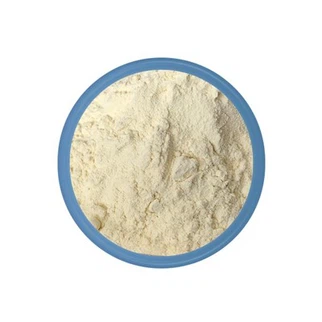
In the ever-evolving world of aquaculture, finding innovative ways to enhance fish well-being and avoid illnesses is fundamental. One such groundbreaking arrangement that has been gaining footing in recent years is hydrolyzed fish protein . This effective fixing, inferred from fish meal, has demonstrated to be a game-changer in advancing fish wellbeing and decreasing the frequency of illnesses in aquaculture settings. In this comprehensive guide, we'll dig into the world of hydrolyzed fish protein, investigating its benefits, generation process, and applications in the aquaculture industry.

Understanding Hydrolyzed Fish Protein: A Nutritional Powerhouse
Hydrolyzed fish protein is a profoundly edible shape of protein inferred from fish meal through a process called hydrolysis. This process breaks down complex proteins into littler peptides and free amino acids, making them more effortlessly retained by fish. The result is a nutrient-dense item that offers a myriad of benefits for fish wellbeing and development.
Not at all like conventional fish meal, hydrolyzed fish protein boasts predominant bioavailability, meaning that fish can absorb and utilize a higher percentage of the supplements shown. This improved retention leads to made strides in development rates, superior nourishment changes proportions, and eventually, healthier fish populations.
The amino corrosive profile of hydrolyzed fish protein closely mirrors that of entire fish, giving an ideal adjust of fundamental and non-essential amino acids. This adjustment is significant for ideal fish growth, immune work, and, by and large, well-being. Also, hydrolyzed fish protein contains bioactive peptides that have been shown to have anti-inflammatory, antioxidant, and immunomodulatory properties, assisting in contributing to fish health and disease resistance.

The Production Process: From Fish Meal to Hydrolyzed Fish Protein
The travel from fish meal to hydrolyzed fish protein includes an advanced process that jams the dietary astuteness of the unique protein source while upgrading its digestibility and bioavailability. Here's a breakdown of the ordinary generation process:
- Raw Material Selection: High-quality fish meal is chosen as the beginning fabric. The choice of fish species and the quality of the fish meal play a vital part in deciding the last product's dietary profile.
- Hydrolysis: The fish meal experiences enzymatic hydrolysis, where particular chemicals break down the protein atoms into littler peptides and free amino acids. This step is carefully controlled to accomplish the wanted degree of hydrolysis.
- Filtration: The hydrolyzed mixture is filtered to remove any insoluble particles, resulting in a clear protein solution.
- Concentration: The protein solution is concentrated through evaporation or membrane filtration techniques to increase the protein content.
- Drying: The concentrated protein solution is then dried using spray-drying or freeze-drying methods to produce a stable, powder form of hydrolyzed fish protein.
- Quality Control: The last item experiences thorough testing to guarantee it meets the required details for protein substance, amino corrosive profile, and other quality parameters.

Applications and Benefits in Aquaculture: A Game-Changer for Fish Health
The applications of hydrolyzed fish protein in aquaculture are vast and varied, offering numerous benefits for fish health, growth, and disease resistance. Let's explore some of the key advantages of incorporating hydrolyzed fish protein into fish diets:
- Enhanced Digestibility: The pre-digested nature of hydrolyzed fish protein permits quick and proficient retention in the fish gut, decreasing the metabolic vitality required for absorption and permitting more vitality to be coordinated towards development and other physiological processes.
- Improved Growth Performance: Ponders have appeared that fish fed diets supplemented with hydrolyzed fish meal display quicker development rates and improved feed transformation proportions compared to those bolstered by conventional fish meal-based diets.
- Boosted Immune Function: The bioactive peptides present in hydrolyzed fish protein have been demonstrated to enhance the immune response in fish, leading to increased resistance against various pathogens and environmental stressors.
- Reduced Inflammation: The anti-inflammatory properties of certain peptides in hydrolyzed fish protein can help mitigate inflammation-related issues in fish, promoting overall health and well-being.
- Increased Survival Rates: The combination of improved nutrition and enhanced immune function contributes to higher survival rates, particularly during the critical larval and juvenile stages of fish development.
- Palatability Enhancement: Hydrolyzed fish protein can improve the taste and attractiveness of fish feeds, leading to increased feed intake and better overall nutrition.
- Sustainable Alternative: As a highly efficient protein source, hydrolyzed fish protein can help reduce the reliance on wild-caught fish for aquaculture feeds, contributing to more sustainable aquaculture practices.
The versatility of hydrolyzed fish protein extends beyond its use as a direct feed ingredient. It can also serve as an effective binder in fish feed pellets, improving water stability and reducing nutrient leaching. Furthermore, its high solubility makes it an ideal ingredient for liquid feeds and supplements, offering flexibility in feed formulation and delivery methods.
In larval rearing, where the digestive systems of young fish are still developing, hydrolyzed fish protein has proven to be particularly beneficial. Its easily digestible nature provides essential nutrients during this critical growth stage, supporting rapid development and reducing mortality rates.
Another exciting application of hydrolyzed fish protein is in functional feeds designed to address specific health challenges in aquaculture. For instance, feeds enriched with hydrolyzed fish protein and targeted bioactive peptides can be formulated to enhance disease resistance against specific pathogens or to support recovery during periods of stress or illness.
The incorporation of hydrolyzed fish protein in aquaculture feeds has also shown promise in improving the quality of the final fish product.
Studies have reported improvements in fillet texture, color, and nutritional composition in fish fed diets containing hydrolyzed fish protein, potentially leading to higher market value and consumer satisfaction.
As research in this field continues to advance, we can expect to see even more innovative applications of hydrolyzed fish protein in aquaculture. From personalized feed formulations tailored to specific fish species and life stages to the development of novel functional derived ingredients from hydrolyzed fish protein, the potential for further improvements in fish health and aquaculture productivity is vast.

Conclusion
Hydrolyzed fish protein represents a significant advancement in aquaculture nutrition, offering a potent solution for enhancing fish health, boosting growth performance, and reducing disease incidence. Its superior digestibility, balanced amino acid profile, and bioactive properties make it a valuable tool in the quest for more efficient and sustainable aquaculture practices.
As the industry continues to evolve, the role of hydrolyzed fish protein in aquaculture feeds is likely to expand, driven by ongoing research and development efforts. By embracing this innovative ingredient, fish farmers and feed manufacturers can work towards healthier fish populations, improved productivity, and a more sustainable future for the aquaculture industry.
For more information on hydrolyzed fish protein and its applications in aquaculture, or to explore how it can benefit your specific operation, don't hesitate to reach out to industry experts. You can contact us at info@hjagrifeed.com for personalized guidance and support in optimizing your fish feed formulations with hydrolyzed fish protein.
References
Chalamaiah, M., Dinesh Kumar, B., Hemalatha, R., & Jyothirmayi, T. (2012). Fish protein hydrolysates: Proximate composition, amino acid composition, antioxidant activities and applications: A review. Food Chemistry, 135(4) ), 3020-3038.
Khosravi, S., Bui, HTD, Rahimnejad, S., Herault, M., Fournier, V., Jeong, JB, & Lee, KJ (2015). Effect of dietary hydrolysate supplementation on growth performance, non-specific immune response and disease resistance of olive flounder (Paralichthys olivaceus) challenged with Edwardsiella tarda. Aquaculture Nutrition, 21(3), 321-331.
Kotzamanis, YP, Gisbert, E., Gatesoupe, FJ, Zambonino Infante, J., & Cahu, C. (2007). Effects of different dietary levels of fish protein hydrolysates on growth, digestive enzymes, gut microbiota, and resistance to Vibrio anguillarum in European sea bass (Dicentrarchus labrax) larvae. Comparative Biochemistry and Physiology Part A: Molecular & Integrative Physiology, 147(1), 205-214.
Liang, M., Wang, J., Chang, Q., & Mai, K. (2006). Effects of different levels of fish protein hydrolysate in the diet on the nonspecific immunity of Japanese sea bass, Lateolabrax japonicus (Cuvieret Valenciennes, 1828). Aquaculture Research, 37(1), 102-106.
Refstie, S., Olli, JJ, & Standal, H. (2004). Feed intake, growth, and protein utilisation by post-smolt Atlantic salmon (Salmo salar) in response to graded levels of fish protein hydrolysate in the diet. Aquaculture , 239(1-4), 331-349.