


In the domain of creature sustenance, the quest for feasible and high-quality fixings is unceasing. As we delve deeper into the world of common supplements, hydrolyzed krill powder rises as a powerhouse of sustenance, especially as a source of omega-3 fatty acids. This article investigates the myriad benefits of hydrolyzed krill powder, its generation handle, and its burgeoning part in animal feed over different businesses.

The Nutritional Powerhouse: Understanding Hydrolyzed Krill Powder
Hydrolyzed krill powder is derived from Antarctic krill (Euphausia superba), little shellfish that inhabit the Southern Ocean. These minuscule animals are a crucial portion of the marine ecosystem and have been earning consideration in the animal sustenance segment due to their extraordinary dietary profile.
The hydrolysis process breaks down the krill's proteins into littler, more edible peptides, improving bioavailability. This process not only jams but also concentrates the useful components of krill, counting omega-3 fatty acids, astaxanthin, and fundamental amino acids.
One of the standout highlights of hydrolyzed krill powder is its rich omega-3 content, especially eicosapentaenoic acid (EPA) and docosahexaenoic acid (DHA). These long-chain omega-3 fatty acids are vital for different physiological capacities in animals, including cardiovascular wellbeing, cognitive advancement, and aggravation control.
In addition, the omega-3s in krill are bound to phospholipids, which are more effectively ingested by the body compared to triglyceride-bound omega-3s found in fish oil. This interesting characteristic improves the bioavailability of these fundamental fatty acids, making hydrolyzed krill powder an effective source of omega-3 for creatures.
Another notable component of hydrolyzed krill powder is astaxanthin, a powerful antioxidant that gives krill its distinctive ruddy color. Astaxanthin has been connected to various health benefits, including upgraded safe work and progressed skin wellbeing in creatures.
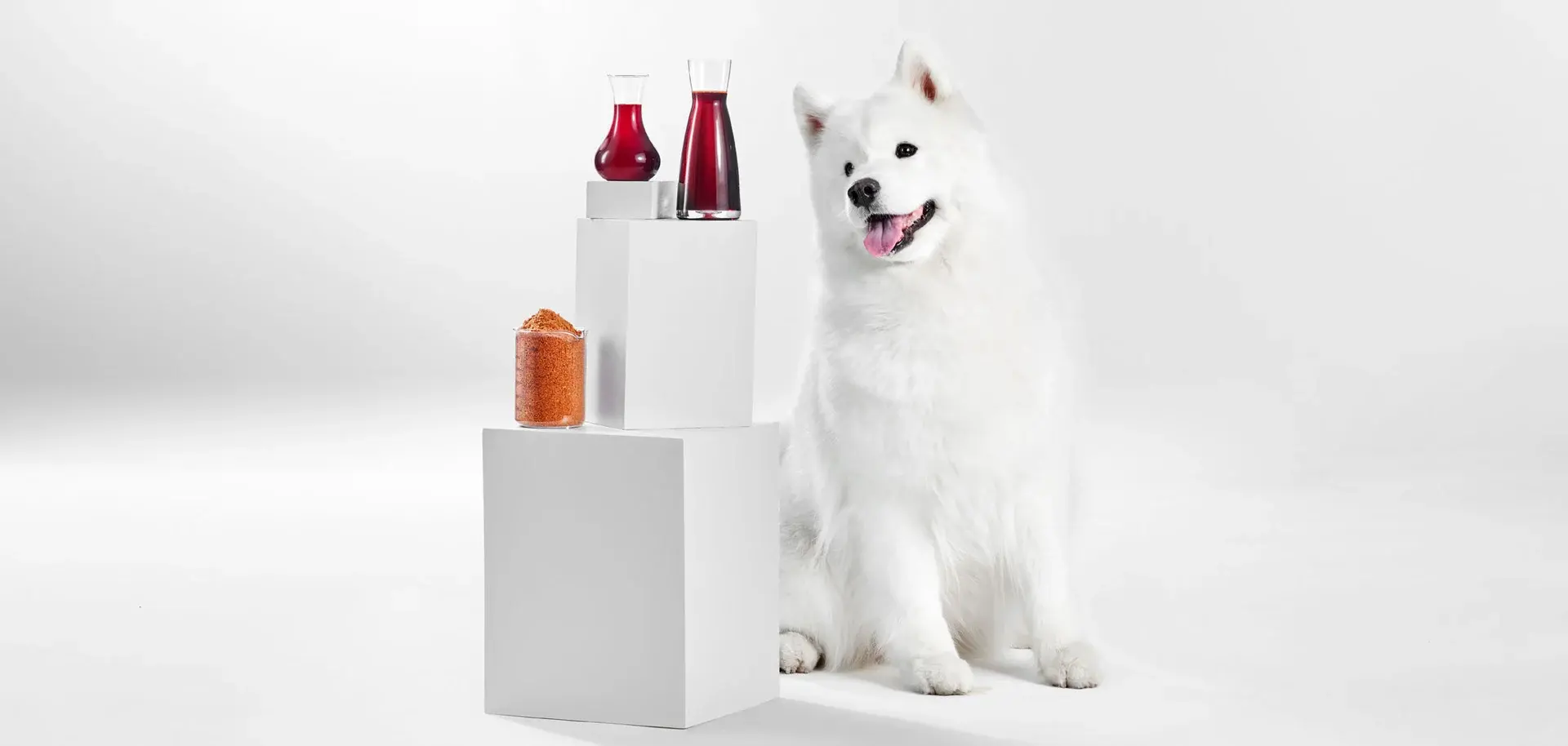
Krill powder is a nutrient-rich ingredient made from whole Antarctic krill (Euphausia superba). It's more than just omega-3s - it delivers whole-food nutrients including phospholipids, amino acids, astaxanthin (a powerful antioxidant), vitamins, and minerals. This makes it especially useful in dog nutrition.
Key Benefits for Dogs
Supports Skin & Coat Health
Krill powder provides omega-3 fatty acids (EPA & DHA) that help maintain healthy skin, reduce dryness and itchiness, and promote a shiny, soft coat.
Joint Comfort & Mobility
The anti-inflammatory properties of omega-3s help support joint comfort, which is beneficial for active dogs and aging pets.
Powerful Antioxidant Protection
Astaxanthin in krill acts as a strong antioxidant, helping protect cells from oxidative stress, support immune function, and support healthy aging.
Heart & Brain Support
EPA and DHA help support cardiovascular health and cognitive function, important for puppies' development and older dogs' brain health.
Nutrient Density & Palatability
As a whole-food ingredient, krill powder adds protein, amino acids, and micronutrients, often enhancing taste and appetite.
How to Use
- Mix with food: Sprinkle krill powder over dry or wet dog food.
- Follow label guidance: Dosage depends on dog size and product formulation - start with recommended amounts and adjust with a vet's advice.
- Store correctly: Keep in a cool, dry place to preserve freshness.
Safety Tips
- Generally safe when used as directed
- Monitor for shellfish allergies - discontinue if adverse reactions occur
- Too much omega-3 can cause mild digestive upset
Sustainability and Production: The Eco-Friendly Choice
The production of hydrolyzed krill powder is not only nutritionally beneficial but also aligns with sustainable practices. Krill harvesting is strictly regulated by the Commission for the Conservation of Antarctic Marine Living Resources (CCAMLR), ensuring that krill populations remain stable and the Antarctic ecosystem is protected.
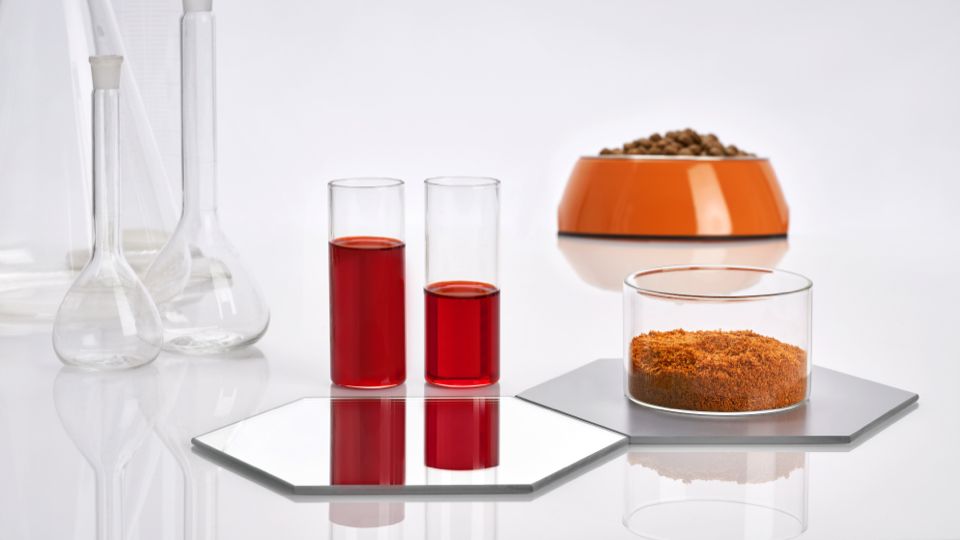
The process of producing hydrolyzed krill powder begins with carefully harvesting krill from the pristine waters of the Southern Ocean. Advanced fishing technologies are employed to minimize bycatch and maintain the integrity of the marine ecosystem. Once harvested, the krill undergo a series of steps to transform them into the nutrient-rich powder:
- Immediate Processing: The krill are processed onboard specialized vessels immediately after capture to preserve their nutritional integrity.
- Hydrolysis: The krill undergo enzymatic hydrolysis, which breaks down the proteins into smaller, more digestible peptides. This step enhances the bioavailability of the nutrients.
- Drying: The hydrolyzed krill mixture is then carefully dried using low-temperature techniques to prevent nutrient degradation.
- Milling: The dried product is milled into a fine powder, ensuring uniformity and ease of incorporation into various animal feed formulations.
- Quality Control: Rigorous testing is conducted to ensure the purity, potency, and safety of the final product.
Applications Across Animal Industries: From Aquaculture to Companion Animals
The versatility of hydrolyzed krill powder makes it an invaluable ingredient in numerous animal nutrition applications. Its benefits extend across various sectors, including aquaculture, poultry, swine, and companion animal nutrition.
- Aquaculture: In the realm of fish farming, hydrolyzed krill powder has proven to be a game-changer. Its inclusion in fish feed has been associated with improved growth rates, enhanced feed conversion efficiency, and better overall health of farmed fish. The natural astaxanthin content also contributes to the appealing color of salmon and other fish, meeting consumer preferences without the need for synthetic colorants.
- Poultry: For the poultry industry, hydrolyzed krill powder offers a host of benefits. Studies have shown that incorporating this ingredient into poultry diets can lead to improved egg quality, including stronger shells and more vibrant yolks. The omega-3 content also translates to enriched eggs, meeting the growing consumer demand for functional foods.
- Swine: In pig nutrition, hydrolyzed krill powder has demonstrated potential in enhancing reproductive performance in sows and promoting better growth and health in piglets. The easily digestible proteins and essential fatty acids support overall development and immune function.
- Companion Animals: The pet food industry has also recognized the value of hydrolyzed krill powder. For dogs and cats, this ingredient can support coat health, reduce inflammation, and promote cognitive function, particularly in aging animals. The palatable nature of krill also makes it an attractive option for finicky eaters.
- Ruminants: While research in this area is still evolving, preliminary studies suggest that hydrolyzed krill powder could have applications in ruminant nutrition, potentially improving milk quality in dairy cows and supporting overall health in cattle.

Conclusion
Hydrolyzed krill powder represents a confluence of nutrition, sustainability, and innovation in animal feed. Its rich omega-3 content, coupled with other beneficial compounds like astaxanthin, positions it as a premium ingredient for enhancing animal health and performance across various sectors.
For those interested in exploring the potential of hydrolyzed krill powder in their animal nutrition formulations, or to learn more about incorporating this sustainable ingredient into your products, we invite you to reach out to our team of experts. Contact us at info@hjagrifeed.com for personalized guidance, formulation support, and to request free samples of our high-quality hydrolyzed krill powder.
References
Tou, J. C., Jaczynski, J., & Chen, Y. C. (2007). Krill for human consumption: nutritional value and potential health benefits. Nutrition Reviews, 65(2), 63-77.
Alvarez, M. J., López-Bote, C. J., Díez, A., Corraze, G., Arzel, J., Dias, J., ... & Bautista, J. M. (1998). Dietary fish oil and digestible protein modify susceptibility to lipid peroxidation in the muscle of rainbow trout (Oncorhynchus mykiss) and sea bass (Dicentrarchus labrax). British Journal of Nutrition, 80(3), 281-289.
Sung, H. H., Sinclair, A. J., Lewandowski, P. A., & Su, X. Q. (2018). Postprandial long-chain n-3 polyunsaturated fatty acid response to krill oil and fish oil consumption in healthy women: a randomised controlled, single-dose, crossover study. Asia Pacific Journal of Clinical Nutrition, 27(1), 148-157.
Tillman, P. B., & Dozier III, W. A. (2013). Current amino acid considerations for broilers: requirements, ratios, economics.
Xie, D., Gong, M., Wei, W., Jin, J., Wang, X., Wang, X., & Jin, Q. (2019). Antarctic krill (Euphausia superba) oil: A comprehensive review of chemical composition, extraction technologies, health benefits, and current applications. Comprehensive Reviews in Food Science and Food Safety, 18(2), 514-534.


