


In the ever-evolving world of livestock administration, agriculturists and veterinarians are continually looking for imaginative arrangements to improve animal well-being and efficiency. One such arrangement that has earned critical consideration in recent years is capsaicin, the compound responsible for the searing sensation in chili peppers. This article dives into the intriguing world of capsaicin and its potential to revolutionize livestock illness control and execution improvement.

Understanding Capsaicin: Nature's Fiery Compound
Capsaicin, the primary capsaicinoid found in chili peppers, is a remarkable compound with a wide array of biological effects. This pungent molecule is responsible for the characteristic heat sensation experienced when consuming spicy foods. However, its benefits extend far beyond culinary applications.
In the domain of livestock administration, capsaicin has risen as a promising common elective to conventional antibiotics and development promoters. Its interesting properties make it an excellent candidate for improving creature wellbeing, boosting immune work, and improving general execution.
The instrument of activity of capsaicin in animals is multifaceted. It interatomic with particular receptors in the body, especially the temporal receptor potential vanilloid 1 (TRPV1) channel. This interaction triggers a cascade of physiological reactions that can have significant impacts on animal wellbeing and efficiency.

Capsaicin's Role in Livestock Disease Control
One of the most energizing applications of capsaicin in animal administration is its potential to help in malady control. As antimicrobial resistance proceeds to pose a noteworthy danger to both animal and human wellbeing, the require for elective techniques to combat pathogens has never been more squeezing.
Capsaicin shows potent antimicrobial properties against a wide range of pathogens, including microscopic organisms, parasites, and infections. This normal compound can help diminish the dependence on customary antimicrobials, thereby relieving the chance of antibiotic resistance improvement.
Research has shown that capsaicin can effectively inhibit the growth of various pathogenic bacteria, such as Escherichia coli, Salmonella spp., and Clostridium perfringens. These microorganisms are common culprits behind gastrointestinal disorders in livestock, leading to significant economic losses for farmers.
Besides, capsaicin has illustrated antiviral properties, appearing to guarantee combating viral infections that torment animal populations. Its capacity to tweak the safe framework and improve the generation of antiviral compounds makes it a profitable device in the battle against viral maladies.
The anti-inflammatory properties of capsaicin also contribute to its disease-fighting capabilities. By reducing inflammation in the gastrointestinal tract, capsaicin can help maintain gut health and integrity, which is crucial for nutrient absorption and overall animal well-being.

Enhancing Livestock Performance with Capsaicin
Beyond its role in disease control, capsaicin has shown remarkable potential in enhancing livestock performance. This natural compound can influence various physiological processes that contribute to improved growth, feed efficiency, and overall productivity.
One of the key ways capsaicin boosts execution is through its impacts on the digestive framework. It invigorates the generation of digestive chemicals and increases the discharge of gastric juices, leading to improved supplement assimilation and absorption. This upgraded digestive proficiency translates to better nourishment change proportions and speedier development rates.
Capsaicin also impacts metabolic forms in animals. It has been shown to increase thermogenesis, the generation of warmth in the body, which can lead to improved vitality utilization and a fat digestion system. This impact is especially useful in cold situations, where animals use more vitality to keep up body temperature.
Moreover, capsaicin's capacity to balance the intestinal microbiome plays a pivotal part in upgrading animal execution. A sound and different intestine microbiome is fundamental for ideal supplement retention, resistant work, and generally animal well-being. By advancing the development of useful microbes and restraining destructive pathogens, capsaicin helps keep up an adjusted intestine ecosystem.

Practical Applications of Capsaicin in Livestock Management
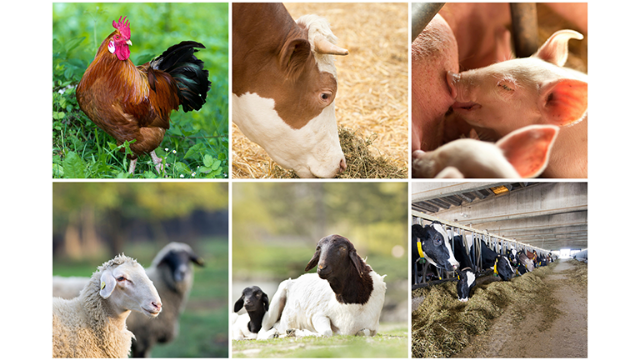
The integration of capsaicin into livestock management practices can take various forms, depending on the specific needs and goals of the farm. Here are some practical applications of capsaicin in different livestock sectors:
- Poultry Industry: In poultry production, capsaicin supplementation has shown promising results in improving growth performance, egg production, and meat quality. It can be incorporated into feed formulations to enhance digestive efficiency and boost the birds' immune systems.
- Swine Production: Capsaicin has demonstrated potential in improving feed intake, growth rates, and meat quality in pigs. Its antimicrobial properties make it particularly useful in managing common swine diseases and reducing the need for antibiotics.
- Ruminant Nutrition: In cattle and other ruminants, capsaicin supplementation can improve rumen function, increase feed efficiency, and potentially reduce methane emissions. It may also have benefits in managing heat stress in dairy cows.
- Aquaculture: The use of capsaicin in fish and shrimp farming is an emerging area of research. Preliminary studies suggest that it may enhance growth performance, disease resistance, and stress tolerance in aquatic species.
Safety Considerations and Regulatory Aspects
While capsaicin offers numerous benefits for livestock health and performance, it's essential to consider safety aspects and regulatory requirements. The use of capsaicin in animal feed is subject to regulations that vary by country and region.
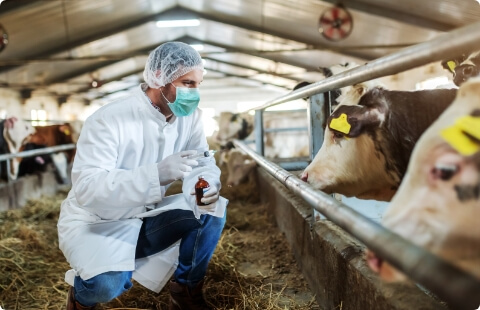
In general, capsaicin is considered safe for use in livestock when administered at appropriate doses. However, excessive consumption can lead to adverse effects, such as gastrointestinal irritation or reduced feed intake. It's crucial to follow recommended dosage guidelines and monitor animals for any signs of intolerance.
Farmers and feed manufacturers should ensure that capsaicin-containing products comply with local regulations and quality standards. This includes verifying the purity and potency of capsaicin sources and adhering to proper labeling requirements.
Future Perspectives and Research Directions
The potential of capsaicin in livestock management continues to be an active area of research. As our understanding of its mechanisms of action deepens, new applications and optimized protocols are likely to emerge.
Future research directions may include:
- Investigating synergistic effects between capsaicin and other natural compounds
- Developing novel delivery systems for improved efficacy and targeted action
- Exploring the long-term impacts of capsaicin supplementation on animal health and productivity
- Assessing the potential of capsaicin in reducing greenhouse gas emissions from livestock
- Studying the effects of capsaicin on meat and dairy product quality and safety

Conclusion
Capsaicin, the fiery compound found in chili peppers, has emerged as a promising natural solution for enhancing livestock disease control and performance. Its multifaceted benefits, including antimicrobial properties, immune system modulation, and digestive enhancement, make it a valuable tool in modern animal husbandry.
For more information on capsaicin and other natural ingredients for animal nutrition, please contact us at info@hjagrifeed.com. Our team of experts is ready to assist you in optimizing your livestock management strategies with innovative, science-backed solutions.
References
Srinivasan, K. (2016). Biological Activities of Red Pepper (Capsicum annuum) and Its Pungent Principle Capsaicin: A Review. Critical Reviews in Food Science and Nutrition, 56(9), 1488-1500.
Liu, Y., & Song, M. (2020). Capsaicin and meat quality: A review. Trends in Food Science & Technology, 99, 133-142.
Zeng, Z., Zhang, S., Wang, H., & Piao, X. (2015). Essential oil and aromatic plants as feed additives in non-ruminant nutrition: a review. Journal of Animal Science and Biotechnology, 6(1), 7.
Yang, X., Luo, Y., & Zhu, N. (2019). Effects of capsaicin supplementation on meat quality and oxidative stability in broiler chickens. Animal, 13(5), 1017-1023.
Ribeiro, A. S., Sartori, M. M. P., & Ferreira, M. M. G. (2018). Microencapsulation of pepper oleoresin (Capsicum spp.) by spray drying: A review. Trends in Food Science & Technology, 72, 114-124.


