While natural product development persists in the search for improved animal and pet health, as well as performance, the best rosemary (Rosmarinus officinalis) extract, carnosic acid powder, is increasingly under the microscope as a feed supplement and topical agent. Its strong antioxidant, anti-inflammatory, and antimicrobial action has triggered widespread investigation of the capacity of carnosic acid to ensure good animal skin health.
Is it safe to use, then? Let's review the science on carnosic acid, how it may impact skin wellness in animals, recommended application, and safety issues so pet owners and makers know.

What is Carnosic Acid Powder?
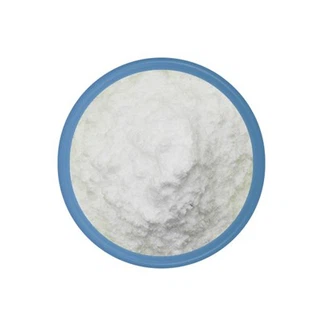
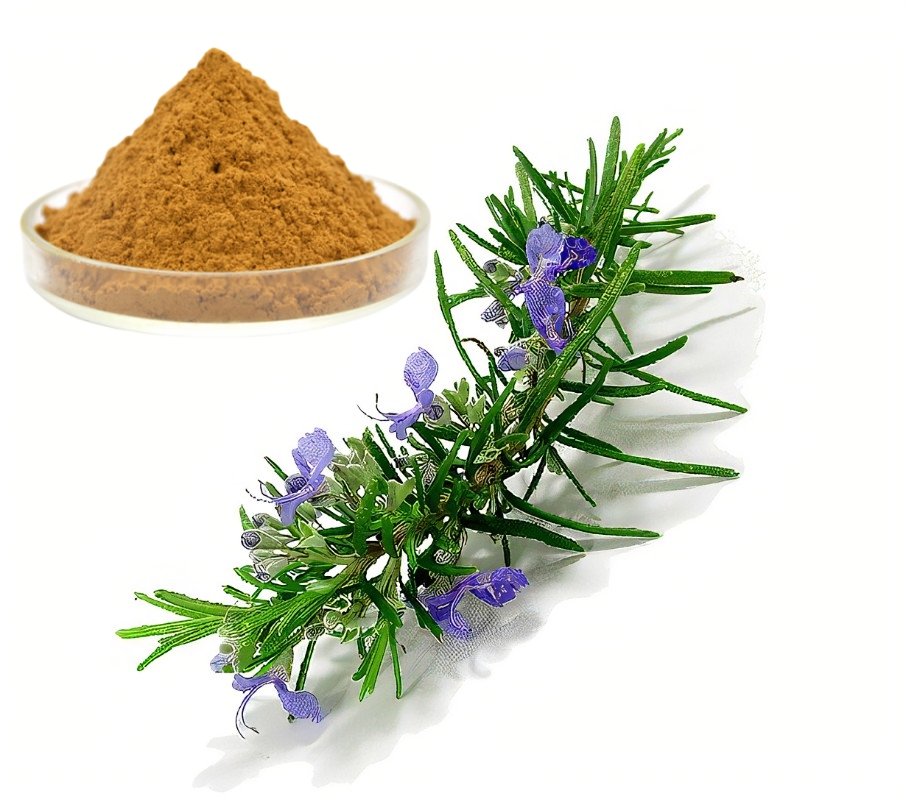
Carnosic acid is a phenolic diterpene diterpene diterpene present in rosemary leaves. It is the cause of most of the antioxidant activity in rosemary and is usually sold as extracted, standardized carnosic acid powder in the food, cosmetic, and animal feed industries.
Some of the major features of carnosic acid are:
Outstanding antioxidant activity (scavenges free radicals, stabilizes cell membranes)
- Anti-inflammatory action (inhibits pro-inflammatory processes)
- Antimicrobial activity (against fungi and bacteria)
- UV light protection (it safeguards skin against oxidative damage)
These characteristics render carnosic acid a suitable potential candidate to improve the skin health of animals and pets, especially to cure such diseases like wound healing, hot spots, and dermatitis.

Advantages of Carnosic Acid Powder for Skin Health
1. Protection with antioxidants
Oxidative stress is also a common cause of animal skin disease leading to inflammation, dryness, and barrier dysfunction. Carnosic acid blocks the reactive oxygen species (ROS) that cause damage to skin cells to establish healthier skin.
- Demonstrated carnosic acid to possess excellent lipid peroxidation inhibition and oxidative stress markers of skin cells to establish healthier skin in mammals.
2. Anti-inflammatory Effects
Inflammation is one of the main reasons behind all forms of skin diseases like dermatitis, eczema, and animal allergy. It suppresses NF-κB and other inflammatory mediators; it prevents redness, itching, and swelling.
- The anti-inflammatory activity of carnosic acid by inhibiting pro-inflammatory cytokine production in skin cells, thus aiding in treating skin inflammatory diseases.
3. Antimicrobial Activity
Fungal and bacterial dermatitis are common skin infections of pet and companion animals, especially in hot climate and tropical. Carnosic acid possesses natural antimicrobial activity against Staphylococcus aureus, Escherichia coli, and Candida that are etiologic pathogens of skin disease.
- Carnosic acid showed high antibacterial activity against Gram-positive and Gram-negative bacteria isolated from animal skin.

Is Carnosic Acid Powder Safe for Livestock and Pets?
Safety in Livestock
Experiments have proven carnosic acid to be extremely safe to be applied in livestock on the dosage front. In monogastrics and ruminants, carnosic acid powder is largely metabolized by the liver and eliminated via urine, with virtually no opportunity for accumulation.
- Rosemary extracts with carnosic acid are safe for use in animal feed at a level of up to 150 mg/kg feed without affecting performance or health.
Safety in Pets
In canine and feline, rosemary extract powder carnosic acid standardized has been researched even in topical creams and in diets. Carnosic acid in standard dosage recommendations has not been reported to produce serious side effects when ingested in recommended dosages.
- Ishikawa et al. (2011) demonstrated that topical use of carnosic acid containing creams improved skin barrier function in atopic dermatitis in dogs without inducing toxicity or irritation.

Recommended Dosages
Despite varying individual dose with species and type, the following is general guidance based on more recent research:
Livestock (pig, sheep, beef): 100–150 mg/kg diet
Dogs and cats:
- Feed: no more than 0.5% dry matter of diet
- Topical: 0.1–0.5% strength ointment or cream used 1–2 times a day
Begin at lower end of range and titrate to animal response.
Possible Side Effects
Carnosic acid is well tolerated in therapeutic doses but overdose or abuse will result in:
- Gastrointestinal upset (diarrhea, nausea)
- Allergic reaction (rare but possible)
- Mild photoallergic skin reaction when used topically with extremely concentrated preparations
The side effects are reversible and short-lived after supplementation cessation.

Conclusion
Powdered carnosic acid is a naturally occurring substance with great potential to contribute to the welfare of pet and animal skin. It induces antioxidant, anti-inflammatory, and antimicrobial activity that promotes improved skin welfare, and its excellent safety profile when applied in the proper manner make it an essential in veterinary medicine and dermatology.
As with any supplement, carnosic acid powder must be used in the best-practice method and under the advice of a veterinarian prior to including it in your animals' diet or using it topically.You can purchase carnosic acid powder at hjagrifeed.com The company is an industry-leading manufacturer and distributor for supplements. hjagrifeed.com is not just a consumer brand. is exclusively dedicated to providing over 300 natural ingredients for various animal industries such as feedstuffs, poultry, swine, ruminants, aquaculture species, and agricultural fertilizer. Contact hjagrifeed.com to place an order today.
References
Lo, A. H., et al. (2015). "Carnosic acid decreases oxidative stress and inflammation in skin." Journal of Dermatological Science, 79(1), 9-17.
Li, Y., et al. (2014). "Anti-inflammatory effects of carnosic acid in models of skin inflammation." Molecular Immunology, 61(2), 74-82.
Takahashi, M., et al. (2013). "Antimicrobial activity of carnosic acid against pathogens of animal importance." Veterinary Microbiology, 164(3-4), 391-398.
EFSA Panel on Additives and Products or Substances used in Animal Feed (FEEDAP) (2008). "Safety and efficacy of rosemary extract as a feed additive." EFSA Journal, 703, 1-29.
Ishikawa, C., et al. (2011). "Effect of carnosic acid cream on atopic dermatitis in dogs." Veterinary Dermatology, 22(6), 527-533.