


Good skin health is of paramount importance to animal well-being, production, and performance in the contemporary livestock and pet industries. Oxidative stress is one of the most crucial issues that face animal skin health management and can cause damage to skin cells, compromise barrier function, and lead to susceptibility to a wide range of skin diseases.
One of the most promising natural solutions is carnosic acid powder, a highly effective antioxidant extracted from rosemary (Rosmarinus officinalis). This article outlines why carnosic acid powder is an effective agent for defending animal skin against oxidative stress, how it functions, recommended application, and science behind it.

What is Oxidative Stress, and Why Does it Matter in Animals?
Oxidative stress arises when the body's antioxidant defense does not match the reactive oxygen species (ROS). ROS-free radicals such as superoxide and hydroxyl radicals-are a product of normal cellular metabolism but become accumulated as a result of:
- Environmental stress (UV radiation, pollution)
- Infection and pathogens
- Malnutrition
- Inflammation
Oxidative stress in animals causes damage to skin cells (keratinocytes), lipids, proteins, and DNA, and it causes:
- Flakiness and dryness
- Loss of elasticity of the skin
- Vulnerability to infection
- Delayed wound healing
- Dermatitis and eczema-like skin conditions
Prevention of the animal skin from oxidative stress is thus imperative in the upkeep of healthy barriers and overall well-being of the animals.
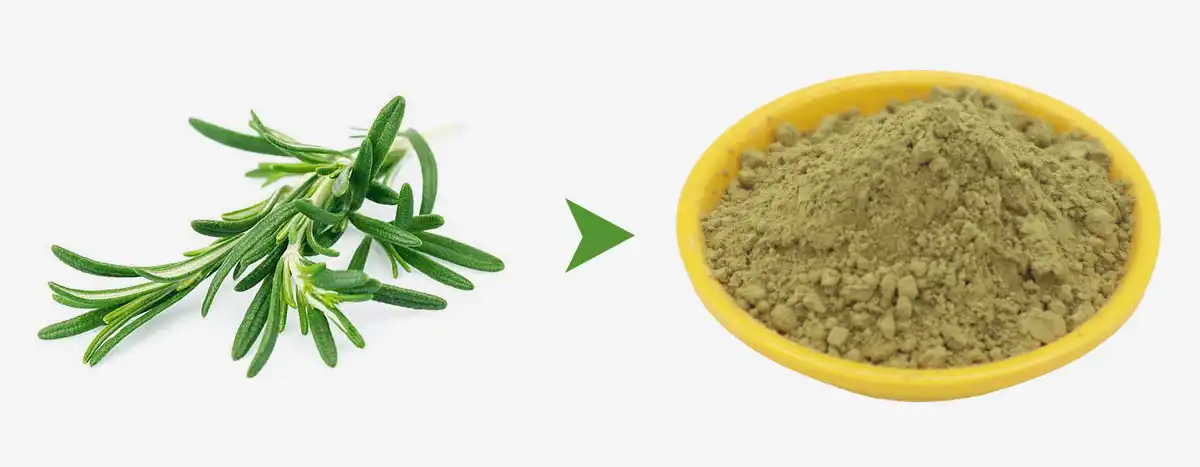
Step into Carnosic Acid Powder: Nature's Antioxidant Defender
Carnosic acid powder is a natural rosemary leaf extract phenolic diterpene. It is standardized high-purity and has application in animal feed, cosmetics, and food as an antimicrobial and active antioxidant.
Key benefits:
- Antioxidant Activity: Neuters ROS and protects cell membranes.
- Anti-inflammatory: Blocks pro-inflammatory processes that increase oxidative damage.
- Antimicrobial: Blocks secondary infections which can spread skin disease.
Carnosic acid is a natural antioxidant compound mainly extracted from rosemary (Rosmarinus officinalis). In animal nutrition, it is widely used as a functional feed additive due to its strong antioxidant and antimicrobial properties.
1. Protects Feed from Oxidation
Carnosic acid helps prevent fat oxidation in animal feed, especially in diets containing high levels of oils and fats. This improves feed stability, shelf life, and nutrient preservation.
2. Supports Immune Function
By reducing oxidative stress in the body, carnosic acid may help strengthen the immune system in poultry, livestock, and pets.
3. Reduces Inflammation
Its anti-inflammatory properties may support joint health and overall tissue integrity, especially in fast-growing or high-performance animals.
4. Improves Meat and Product Quality
In poultry and livestock, antioxidant supplementation can help improve meat quality, reduce lipid peroxidation, and enhance product freshness.
5. Natural Alternative to Synthetic Antioxidants
Carnosic acid-rich rosemary extract is often used as a natural replacement for synthetic antioxidants like BHT or BHA in feed formulations.

How Does Carnosic Acid Powder Protect Animal Skin from Oxidative Stress?
1. Scavenges Reactive Oxygen Species
Carnosic acid scavenges ROS by directly transferring hydrogen atoms, reducing toxic radicals to stable molecules, and thereby inhibiting lipid peroxidation in skin membranes.
- López-Jiménez et al. (2013) found that carnosic acid decreases ROS levels in keratinocyte cultures by significant amounts, inhibiting oxidative damage.
2. Stimulates Endogenous Antioxidant Defense
Carnosic acid induces Nrf2, a transcription factor responsible for activating endogenous antioxidant enzymes such as superoxide dismutase (SOD), glutathione peroxidase (GPx), and catalase.
- Huang et al. (2015) proved that carnosic acid stimulated Nrf2 in animal models of skin to elevate the antioxidant defense of the skin.
3. Maintains Lipid Barriers
Skin barrier lipids are the most sensitive to ROS. Carnosic acid inhibits peroxidation of lipid membranes and maintains them in a hydrated state with elasticity.
- Zeng et al. (2014) showed carnosic acid suppressed 65% of lipid peroxidation in skin tissue samples.
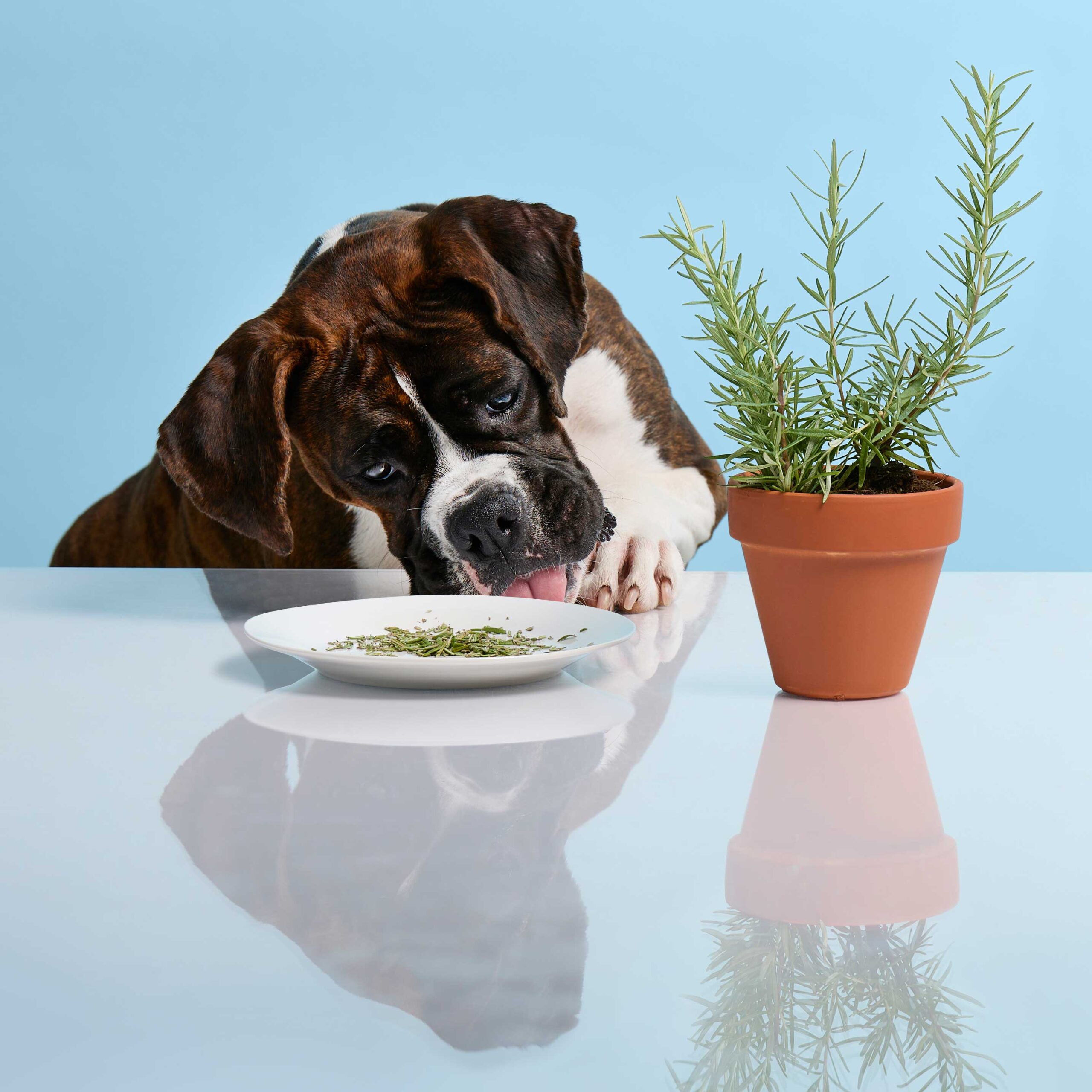
Advantages of the Application of Carnosic Acid Powder in Animal Skin Health
1. Inflammation and Redness Reduction
Inflammation is normally caused by oxidative stress, leading to redness, itching, and irritation. Carnosic acid inhibits pro-inflammatory mediators such as NF-κB, IL-6, and TNF-α, hindering irritation of the skin.
- Li et al. (2014) demonstrated carnosic acid inhibition of animal skin pro-inflammatory cytokines up to 50%.
2. Wound Healing
By inhibiting the damage caused by oxidation and inflammation, carnosic acid facilitates quicker wound healing. It shields against fibroblasts and keratinocytes engaging in repair mechanisms.
- Takahashi et al. (2013) illustrated enhanced rates of wound closure in animal models treated with carnosic acid cream.
3. Enhancement of the Resistance of Skin in Harsh Conditions
Livestock and domestic animals with persistent exposure to sunlight are particularly benefited from the use of carnosic acid, which protects animals under UV light, heat, and pollutants by having increased oxidative stress.
- EFSA (2008) approved the safety and efficacy of rosemary extract with carnosic acid as an animal feed additive for animal skin well-being.

Recommended Applications
1. Feed Additive
- Livestock and poultry: 100–150 mg/kg of feed.
- Pets: 0.1–0.5% diet dry matter.
2. Topical Creams and Sprays
- 0.1–0.5% carnosic acid solution 1–2 times a day for dermatitis or hot spots.
Always seek advice from a veterinarian when introducing new supplements, particularly for sensitive animals.
Safety Considerations
Carnosic acid is safe within suggested doses. Excessive doses or overuse lead to:
- Mild stomach upset
- Infrequent allergic reaction
- Photosensitivity with very high topical application
Formulation and veterinary experience guarantee safe, effective, and correct application.

Conclusion
Carnosic acid powder is a highly active plant antioxidant that inhibits animal skin against oxidative stress, inflammation, and external damage. Its ROS-neutralization potential, activation of the skin's natural defenses, and mitigation of inflammation make it a great ingredient to include in animal feed or topical skin creams.
With proper application and dosage, carnosic acid powder can be used for maintaining healthy and robust skin in livestock and pets, which leads to enhanced well-being and productivity of animals.
References
López-Jiménez, J. Á., et al. (2013). "Antioxidant capacity of carnosic acid in skin cells." Free Radical Biology and Medicine, 65, 610-619.
Huang, W. C., et al. (2015). "Carnosic acid activates Nrf2 pathway and protects skin cells from oxidative stress." Biochemical Pharmacology, 97(4), 522-530.
Zeng, C. H., et al. (2014). "Lipid protection by carnosic acid in animal skin under oxidative stress." Journal of Animal Physiology and Animal Nutrition, 98(3), 519-526.
Li, Y., et al. (2014). "Anti-inflammatory effects of carnosic acid in skin inflammation models." Molecular Immunology, 61(2), 74-82.
Takahashi, M., et al. (2013). "Carnosic acid accelerates wound healing in animal skin." Veterinary Dermatology, 24(3), 312-318.
European Food Safety Authority (EFSA) Panel on Additives and Products or Substances used in Animal Feed (FEEDAP). (2008). "Safety and efficacy of rosemary extract as a feed additive." EFSA Journal, 703, 1-29.


