


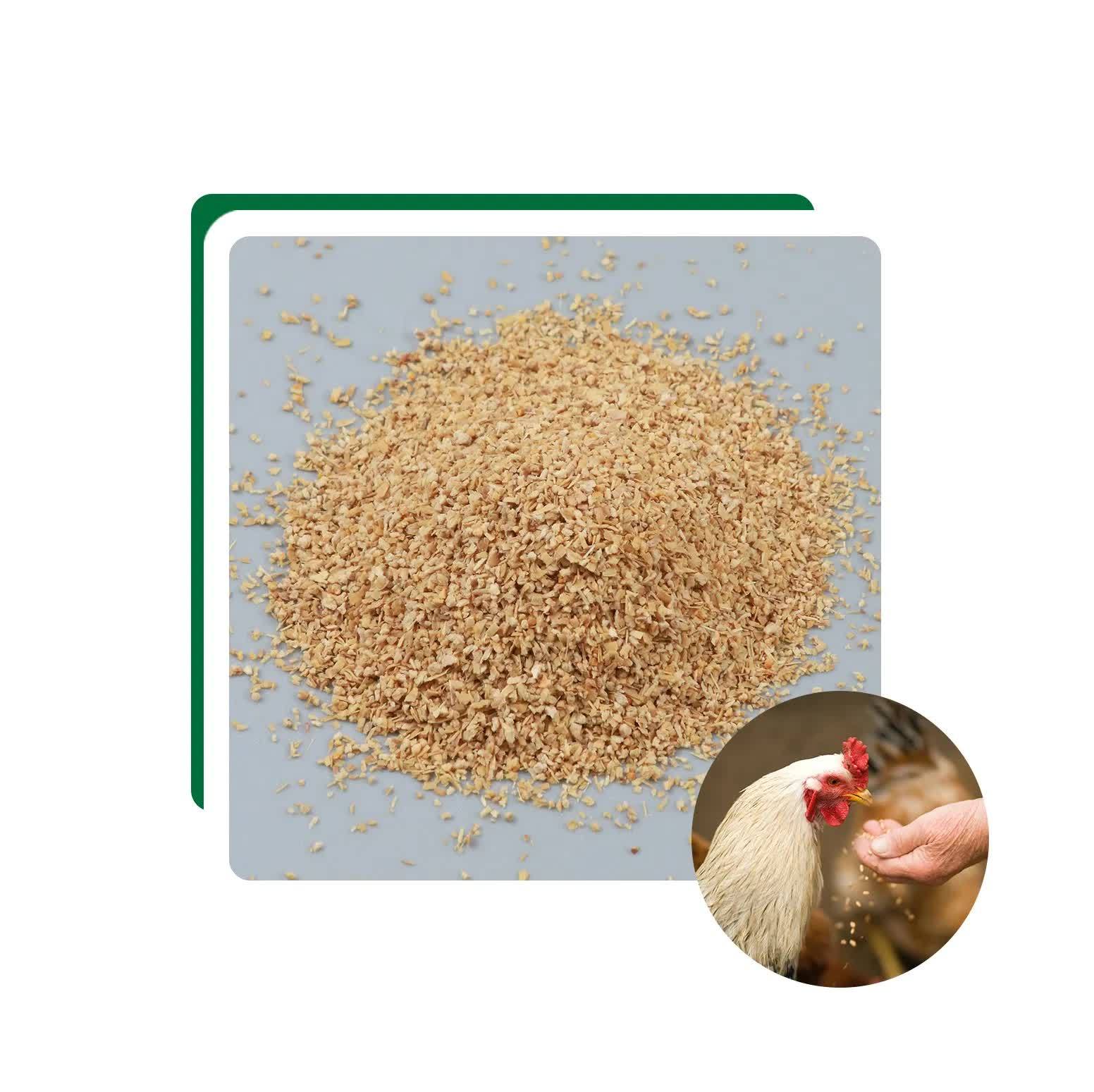
The corn cob powder is widely used as a functional filler, fiber enhancer, and additive carrier in poultry feed formulations. This cost-effective ingredient can be incorporated into commercial feed formulas without compromising performance, making it ideal for feed mills, nutrition consultants, and contract manufacturers across emerging poultry markets.
What is Corn cob powder?
Corncob Powder is a versatile and eco-friendly product with a variety of applications in the agricultural and industrial sectors. This natural, inert, and biodegradable powder is derived from corn cobs and is available in several grades tailored to specific particle sizes, from 08 to 30 mesh. Its unique properties, including high absorptivity, make it an ideal choice for carriers of feed additives and active ingredients in insecticides and fertilizers.
With a light yellow to brown hue and moisture levels maintained below 8%, Corncob Powder meets rigorous quality standards. Its beneficial uses also extend to cleaning products, where it can absorb hazardous wastes and help remove smoke damage, mold, and flaking paint from various surfaces. Corncob Powder also serves as an excellent fiber source in cattle and poultry feed, ensuring that livestock industries enjoy the advantages of high crude fiber content (40%) and biomass absorption. The product is silica-free and non-carcinogenic, presenting a safe and cost-effective solution for various applications.

What is The Source of Corn Cob Powder?
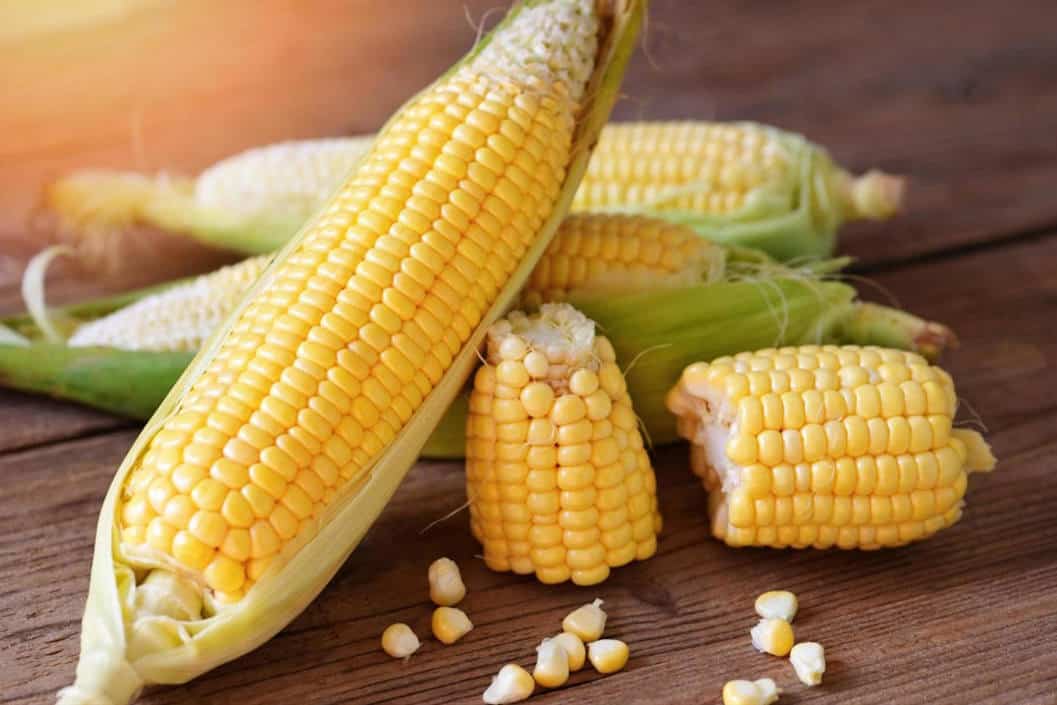
Corn cob powder is derived from the central woody part of the maize (Zea mays) ear after kernels are removed. This agricultural residue, often discarded in bulk during corn processing, can be ground into a fine, stable powder that serves as both a fiber source and a carrier for other feed additives in poultry diets.
Why Corn Cob Powder?
- Abundant Agricultural Byproduct – Affordable and renewable.
- Improves Gut Health – Provides essential dietary fiber.
- Reduces Feed Cost – Acts as a functional filler and carrier.
- Eco-Friendly Sourcing – Promotes circular agriculture.
Can Corn Cob Powder Be Used in Poultry Feed?
YES. Corn cob powder can be used in poultry feed, and it can also be used as a bedding material.
- Weight gain: Mixing ground corn cobs into poultry feed can promote weight gain and improve appearance.
- Egg production: Adding corn cob powder to poultry feed can increase egg production.
- Feed costs: Using corn cobs in poultry feed can reduce feed costs.
- Digestion: Corn cobs can improve digestion and nutrient absorption in livestock.
- Immune system: Choline chloride, which is added to corn cobs, can enhance the immune system of animals.
,aspect=fit?size=436x0 "Corn cob powder supplier")
Benefits of Corn Cob Powder in Poultry Feed
1. Supports Digestive Health
Fiber plays a critical role in poultry digestion. The insoluble fiber in corn cob powder helps stimulate gizzard development and improves gut motility, leading to better nutrient absorption and healthier digestion.
2. Cost-Effective Feed Ingredient
Corn cob powder is an affordable alternative to traditional fiber sources. It can help reduce feed costs when included in low to moderate amounts, especially for small to medium-scale poultry farms.
3. Environmental Sustainability
Using agricultural byproducts like corn cobs in feed reduces waste and promotes a more circular farming system. It minimizes reliance on synthetic additives and supports eco-friendly practices.
4. Improves Pellet Binding and Feed Texture
In feed manufacturing, corn cob powder acts as a natural binder, improving pellet durability and texture. This can reduce feed wastage and ensure that poultry consume a consistent mix of nutrients.

Recommended Dosage in Poultry Feed
The inclusion rate of corn cob powder in poultry feed depends on the age and breed of birds:
| Poultry Type | Dosage Range (%) |
| Broiler Starter | 2–3% |
| Broiler Finisher | 3–5% |
| Layer Chickens | 4–6% |
| Breeder Feed | 3–4% |
Nutritional Composition of Corn Cob Powder
Corn cob powder is low in protein but rich in:
- Crude fiber (30–45%)
- Carbohydrates (cellulose and hemicellulose)
- Small amounts of minerals like calcium and potassium
Although it lacks major nutrients like protein or fat, its high fiber content makes it valuable in specific contexts-particularly in managing digestion and improving gut health in poultry.

Conclusion
Corn cob powder is an effective, affordable, and sustainable feed ingredient for poultry, especially when used in moderation. Its high fiber content supports digestive health, reduces feed costs, and enhances gizzard development. While it should not be used as a primary nutrient source, it offers several benefits as a supportive additive in commercial and backyard poultry operations.
As the poultry industry seeks more sustainable and economical feed solutions, corn cob powder stands out as a promising candidate. However, formulation should be done under the guidance of animal nutritionists to ensure optimal balance and performance.
References
Oluremi, O. I. A., Ngi, J., & Andrew, I. A. (2006). Phytochemical screening and nutritional evaluation of maize cob meal for poultry. International Journal of Poultry Science, 5(8), 683–684.
Onwuka, C. F. I., & Akinsoyinu, A. O. (2011). Use of maize cobs as energy source in broiler diets. Nigerian Journal of Animal Science, 13(1), 45–50.
Agwunobi, L. N., & Angwukam, P. O. (2002). Studies on the use of corn cob meal as energy source for laying hens. Tropical Animal Production, 5(1), 19–24.
NRC (1994). Nutrient Requirements of Poultry. National Research Council. The National Academies Press.


