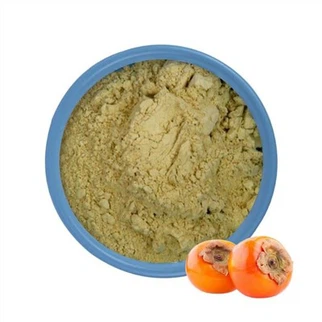
YES, Erythritol is safe for dogs. The main difference between Erythritol and other artificial sweeteners is the fact that it is a sugar alcohol, which implies that it doesn't break into your dog's body to create insulin spikes. It doesn't feed harmful bacteria in your dog's gut either. After it passes through your pooch's digestive system and bloodstream, it is excreted through the urine in an almost unprocessed form, causing no harm.

Is Erythritol natural?
Erythritol is made by taking plant sugars from natural sources such as grapes, melons, pears, and other starches and plants. The plant sugars are then mixed with water and this mixture goes through the fermentation process with natural cultures. Once it is fermented, the erythritol is formed.
Artificial sweeteners are food additives that provide a sweet taste but without the excess calories of sugar. We've broken down the most common artificial sweeteners on the market and their effects on pets:
Erythritol – This sugar alcohol is industrially produced, and its versatility makes it a popular choice for followers of low-carb and keto diets. Studies have found erythritol is safe for dogs.
Aspartame – Aspartame is 200 times sweeter than sugar, so it can be used in much smaller amounts. Products containing aspartame can cause mild gastrointestinal discomfort in pets.
Sucralose – Sold under the brand name Splenda, sucralose holds up well in baked goods, and it can be found in dietary beverages and other items. It's not toxic to pets, but there is evidence that overconsumption can lead to gastrointestinal upset.
Stevia – Stevia is a popular sugar substitute produced from the leaves of the South American plant Stevia. Studies have not found stevia to be toxic to dogs, but eating too much may cause diarrhea.
Monk fruit sweetener – Monk fruit, also known as lo han guo, is a small, round fruit grown in Southeast Asia. The fruit extract has 150-200 times the sweetness of sugar without the calories, making it a popular choice for those seeking a natural alternative to sugar. The monk fruit plant is not toxic to pets.
Saccharine – Saccharine is the primary ingredient in Sweet'N Low and is mainly found in diet drinks, drink mixes, salad dressings, and canned fruits labeled "light." Although this ingredient isn't toxic to pets, gastrointestinal upset can occur.
Maximum average amounts of erythritol that can be safely consumed by three common dog breeds (small, medium, and large).
Erythritol Benefits for Dogs
Erythritol is a natural sugar alcohol commonly used as a low-calorie sweetener. Unlike xylitol, which is highly toxic to dogs, erythritol is considered safe when given in small amounts. This makes it a useful ingredient in certain dog treats and supplements that require mild sweetness without the risks associated with regular sugar.
One of the main benefits of erythritol is its low impact on blood sugar levels. It does not cause insulin spikes, making it suitable for diabetic dogs or pets that need controlled sugar intake. Additionally, erythritol contains almost zero calories, which helps support healthy weight management, especially for overweight or less active dogs.
Erythritol is also tooth-friendly. It does not promote the growth of harmful oral bacteria, helping reduce plaque buildup and supporting better dental hygiene. This makes it a helpful ingredient in dental chews and oral care products for dogs.
Because erythritol is mostly absorbed and excreted without being metabolized, it is generally well tolerated. However, excessive amounts may cause mild digestive upset such as gas or diarrhea.
When used responsibly, erythritol offers a safe, low-calorie, and dog-friendly alternative to traditional sugar in pet nutrition products.

Is Erythritol safe for dogs and Cats?
Yes. Erythritol has been one of the more common sugar alternatives in keto desserts and baked goods. While erythritol is a form of sugar alcohol, it is deemed safe for pets in small amounts.
How much Erythritol can a dog have?
What Amount of Erythritol Can My Dog Eat that is Safe? Erythritol can cause gastrointestinal distress in dogs if consumed in too large amounts. A year-long study done about the safety of erythritol and dogs concluded that daily erythritol consumption of up to 3.5 g/kg body weight was well tolerated.
Is Erythritol sweetener safe for Dogs?
We've broken down the most common artificial sweeteners on the market and their effects on pets: Erythritol – This sugar alcohol is industrially produced, and its versatility makes it a popular choice for followers of low-carb and keto diets. Studies have found erythritol is safe for dogs.
What sweetener is toxic to dogs?
Xylitol is a sweetener that is found in a wide range of products. It might also go by other names, including wood sugar, birch sugar, and birch bark extract. Xylitol poisoning can start within 20 minutes!!
For bulk erythritol powder, please contact us by email: info@hjagrifeed.com
References: https://www.westparkanimalhospital.com/blog/artificial-sweeteners-and-pets/
https://www.akc.org/expert-advice/vets-corner/artificial-sweetener-safety-for-dogs/
https://healthyhomemadedogtreats.com/is-erythritol-safe-for-dogs/
https://pubmed.ncbi.nlm.nih.gov/8933641/
https://familyandglamour.com/is-erythritol-safe-for-dogs-guide/