


With the increasing demand for natural and nutritious ingredients in pet supplementations, yeast extract is one of the popular inclusions in dog food, treats, and health formulations. Being rich in protein, B-vitamins, and flavor enhancer, it will enhance both the nutritional value and palatability in canine diets.
But for pet supplement manufacturers, the question remains whether yeast extract is safe for dogs. This blog examines the science behind yeast extract, the nutritional benefits, and considerations concerning safety to enlighten you on how to apply this ingredient effectively in dog formulations.
What Is Yeast Extract?
Yeast extract is derived from Saccharomyces cerevisiae, the yeast also used in baking and brewing. It is prepared by heat or enzymatic hydrolysis of yeast cells and is essentially a solution of the cellular components of yeast. An extremely digestible, palatable ingredient, it is a very rich source of amino acids, peptides, and nucleotides.
Unlike active yeast, this does not contain living cells and thus does not ferment or disrupt gut balance. For pet food and supplements, it mainly functions as a natural flavor enhancer and nutrition booster.

Nutritional Composition of Yeast Extract
Yeast extract is prized for its dense nutritional profile, which includes:
- High-quality protein and amino acids – supports muscle maintenance and tissue repair.
- B-complex vitamins (B1, B2, B3, B5, B6, B9) – essential for metabolism and nervous system health.
- Glutamic acid and nucleotides – enhance palatability and feed acceptance.
- Minerals like zinc, potassium, and phosphorus – contribute to overall well-being.
Beta-glucans and mannan oligosaccharides (MOS) – support immune and digestive health (especially in yeast cell wall extracts).
These components make yeast extract an attractive ingredient for functional dog supplements, especially those targeting immunity, digestion, and skin health.
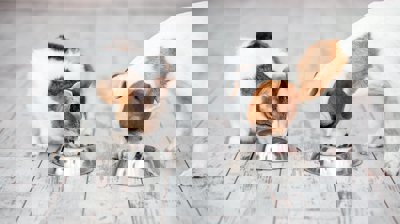
Is Yeast Extract Safe for Dogs?
Yes, yeast extract is generally recognized as safe (GRAS) for dogs when used appropriately in food and supplement formulations.
Regulatory Status
The Association of American Feed Control Officials (AAFCO) allows yeast products, including yeast extract, as feed ingredients when produced under good manufacturing practices. Reputable yeast extracts are standardized and tested for safety, ensuring no harmful residues or live yeast cells remain.
Digestibility and Tolerance
Since yeast extract is a hydrolyzed form, it's easy to digest and unlikely to cause fermentation in the gut. Most dogs tolerate it well, even those with sensitive stomachs. However, overuse may lead to digestive upset in rare cases.
Allergies and Sensitivities
While uncommon, some dogs may show sensitivity to yeast-based ingredients. Pet manufacturers should list yeast extract clearly on product labels to support transparent formulation and help pet owners manage potential sensitivities.
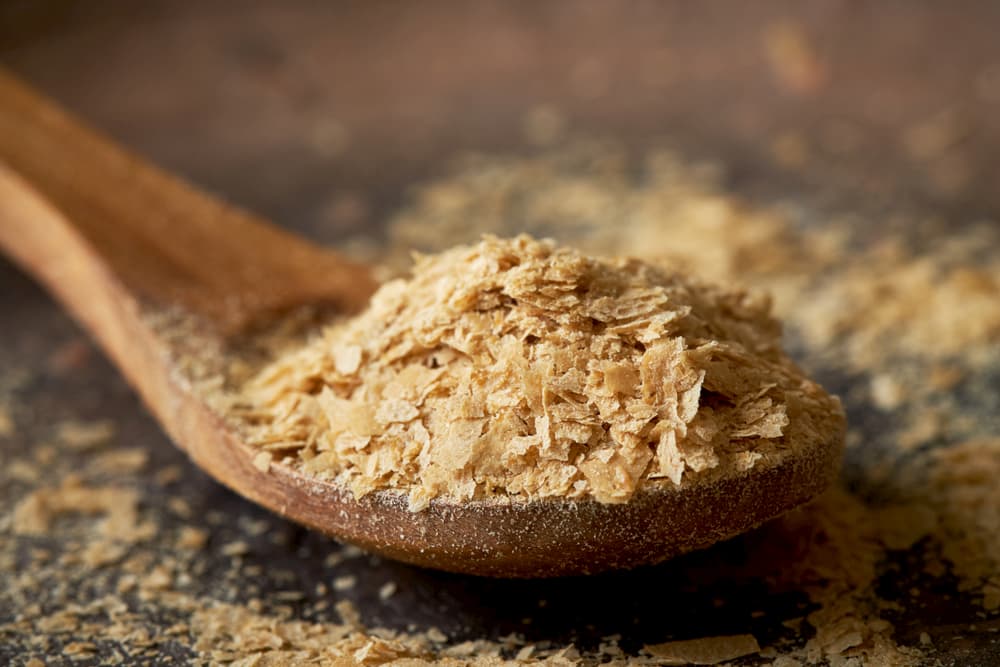
Benefits of Yeast Extract for Dogs
Yeast extract offers several key advantages when used in dog food and supplement formulations:
Enhanced Palatability
Yeast extract naturally contains glutamic acid, which provides a savory umami flavor dogs love. Adding it to kibble, treats, or supplements improves acceptance, even in picky eaters.
Nutrient Enrichment
With a rich supply of B vitamins, amino acids, and trace minerals, yeast extract supports energy metabolism, skin health, and coat quality. It's particularly useful in supplements designed for active, senior, or recovering dogs.
Gut Health Support
Though yeast extract itself is not a probiotic, it can support gut microbiome balance by providing nutrients that feed beneficial bacteria. When combined with yeast derivatives like MOS or beta-glucans, it can further boost intestinal immunity.
Immune System Support
Peptides and nucleotides from yeast extract are known to support cellular regeneration and immune defense. This makes it a valuable ingredient in immune-boosting supplements and post-illness recovery formulas.
Natural Alternative to Artificial Flavorings
Instead of synthetic flavor enhancers, yeast extract offers a clean-label solution that aligns with consumer demand for natural and minimally processed ingredients.
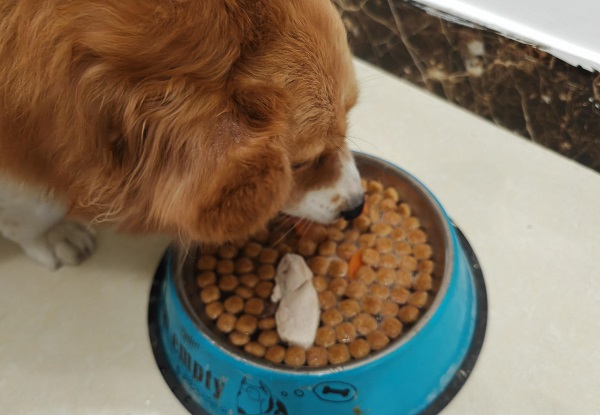
Recommended Usage Levels
The appropriate inclusion rate depends on the intended application:
| Application | Typical Inclusion Rate |
|---|---|
| Dry dog food | 0.5% – 2.0% |
| Wet dog food | 0.3% – 1.0% |
| Dog treats | 0.2% – 1.0% |
| Supplements | 0.5% – 2.5% |
Manufacturers should always refer to supplier specifications and conduct palatability trials to determine the optimal dosage for their formula.

How to Use Yeast Extract in Pet Formulations
To maximize its benefits, yeast extract should be:
- Incorporated during the blending phase of dry or wet food production.
- Used alongside complementary nutrients such as omega-3 fatty acids, probiotics, or vitamin complexes.
- Stored in cool, dry conditions to preserve its nutritional integrity and flavor.
When combined with hydrolyzed animal proteins or plant-based powders, yeast extract enhances taste without relying on artificial additives.

Potential Risks and Precautions
Although yeast extract is safe, pet supplement manufacturers should consider a few precautions:
- Avoid overuse: High concentrations can cause palatability imbalances or mild digestive upset.
- Test for purity: Ensure the extract is free of contaminants or inactive yeast residues.
- Disclose in labeling: Transparency builds consumer trust and helps owners identify potential allergens.
For dogs with yeast allergies or chronic ear infections, veterinarians may recommend avoiding yeast-derived ingredients altogether. However, this is rare, as yeast extract is non-living and unlikely to cause yeast overgrowth.
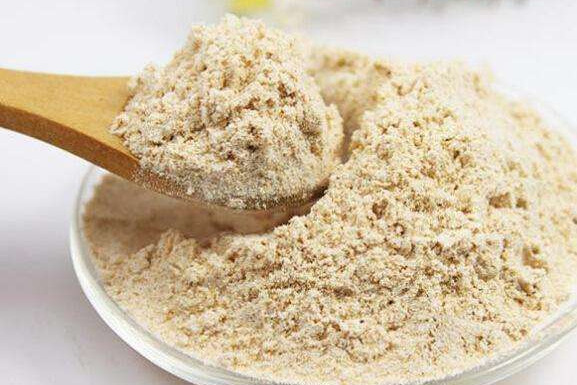
Choosing the Right Yeast Extract for Pet Formulation
Not all yeast extracts are created equal. For high-quality results, pet manufacturers should choose:
- Food-grade or feed-grade yeast extract certified for animal use.
- Non-GMO sources for clean-label appeal.
- Standardized products with defined levels of protein, amino acids, and nucleotides.
- Spray-dried powders or granules for easy mixing and consistent distribution.
Partnering with reputable suppliers ensures consistent quality, safety, and traceability-essential factors for premium pet supplement production.
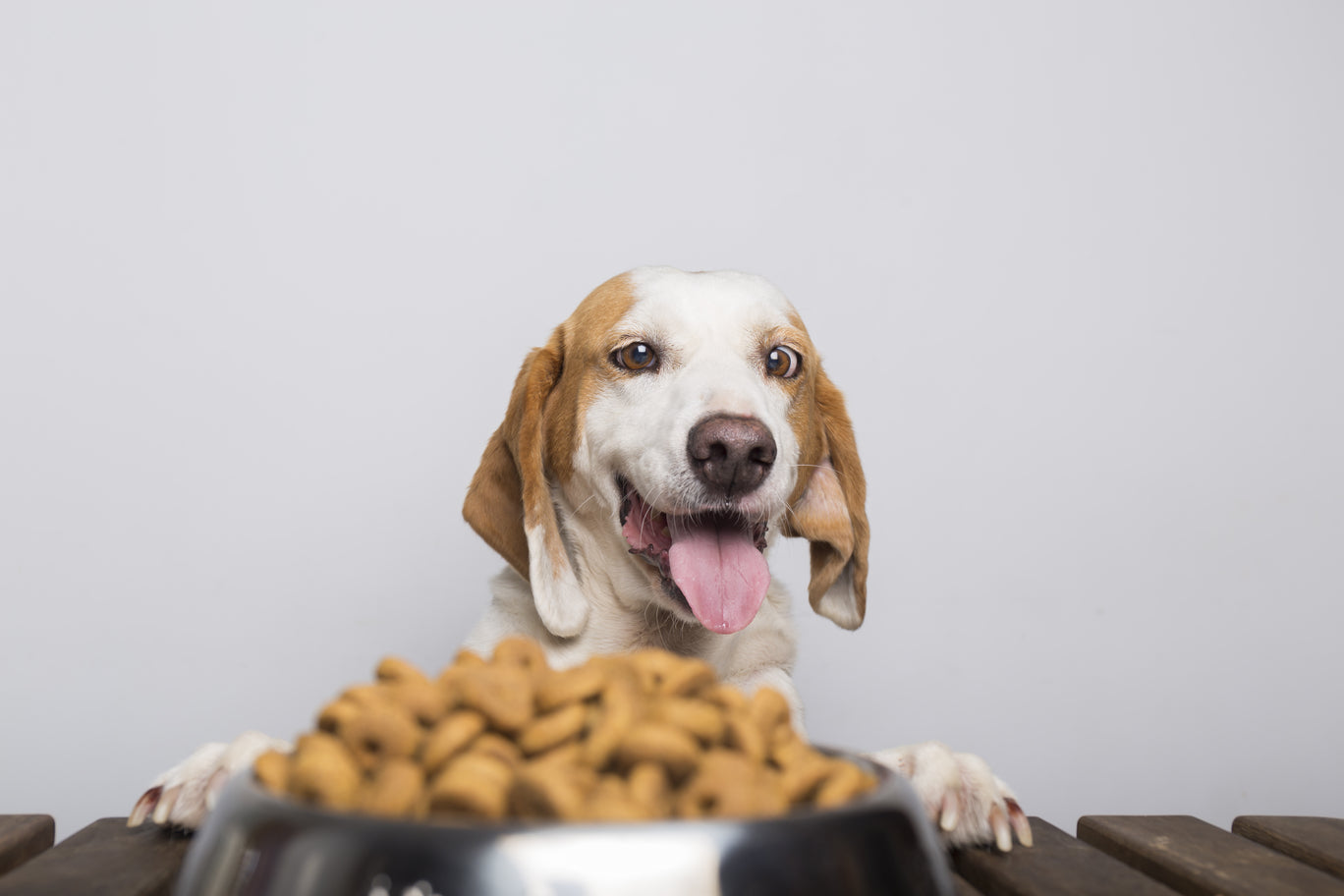
Applications in Pet Nutrition Products
Yeast extract can be used across various pet nutrition categories:
- Dry and wet dog food formulations to improve taste and aroma.
- Functional treats targeting immunity, skin health, and digestion.
- Nutritional supplements and meal toppers for added flavor and nutrition.
- Palatants for veterinary diets or low-fat products that need flavor enhancement.
- Its versatility makes it ideal for both mass-market and premium pet brands.

The Bottom Line: Is Yeast Extract Safe for Dogs?
Yeast extract, when used correctly, can be safe and beneficial for dogs.
It provides high-quality nutrition, flavor enhancement, and gut and immune health-very important aspects for pet supplement manufacturers.
Sourcing pure, food-grade yeast extract and using it in moderation, formulators can create products that achieve both nutritional standards and consumer expectations for clean, natural, and functional pet nutrition.
References
Association of American Feed Control Officials (AAFCO). (2023). Official Publication: Feed Ingredient Definitions.
Wanner, M. et al. (2020). Nutritional and Functional Properties of Yeast Extracts in Pet Food. Animal Feed Science and Technology, 268, 114600.
Swanson, K. S., & Schmitt, S. M. (2021). Use of Yeast-Derived Ingredients in Companion Animal Nutrition. Journal of Animal Science, 99(1), skaa377.
Pet Food Industry. (2022). Yeast-Derived Ingredients Gain Popularity in Natural Pet Foods. Retrieved from www.petfoodindustry.com
National Research Council (NRC). (2006). Nutrient Requirements of Dogs and Cats. National Academies Press.


