As the demand for high-quality, sustainable animal feed ingredients continues to rise, krill meal has emerged as one of the most promising natural protein sources for livestock, poultry, aquaculture, and companion animals. Derived from Antarctic krill (Euphausia superba), this nutrient-dense ingredient offers an exceptional profile of essential amino acids, omega-3 fatty acids, and antioxidants, making it far more than just a protein supplement. It's a multifunctional feed ingredient that promotes growth, reproduction, immunity, and overall vitality.
In this blog, we'll explore what makes krill meal stand out among other animal feed proteins, its nutritional benefits, applications across species, and why it's considered a premium choice for both livestock and pet diets.
What Is Krill Meal?
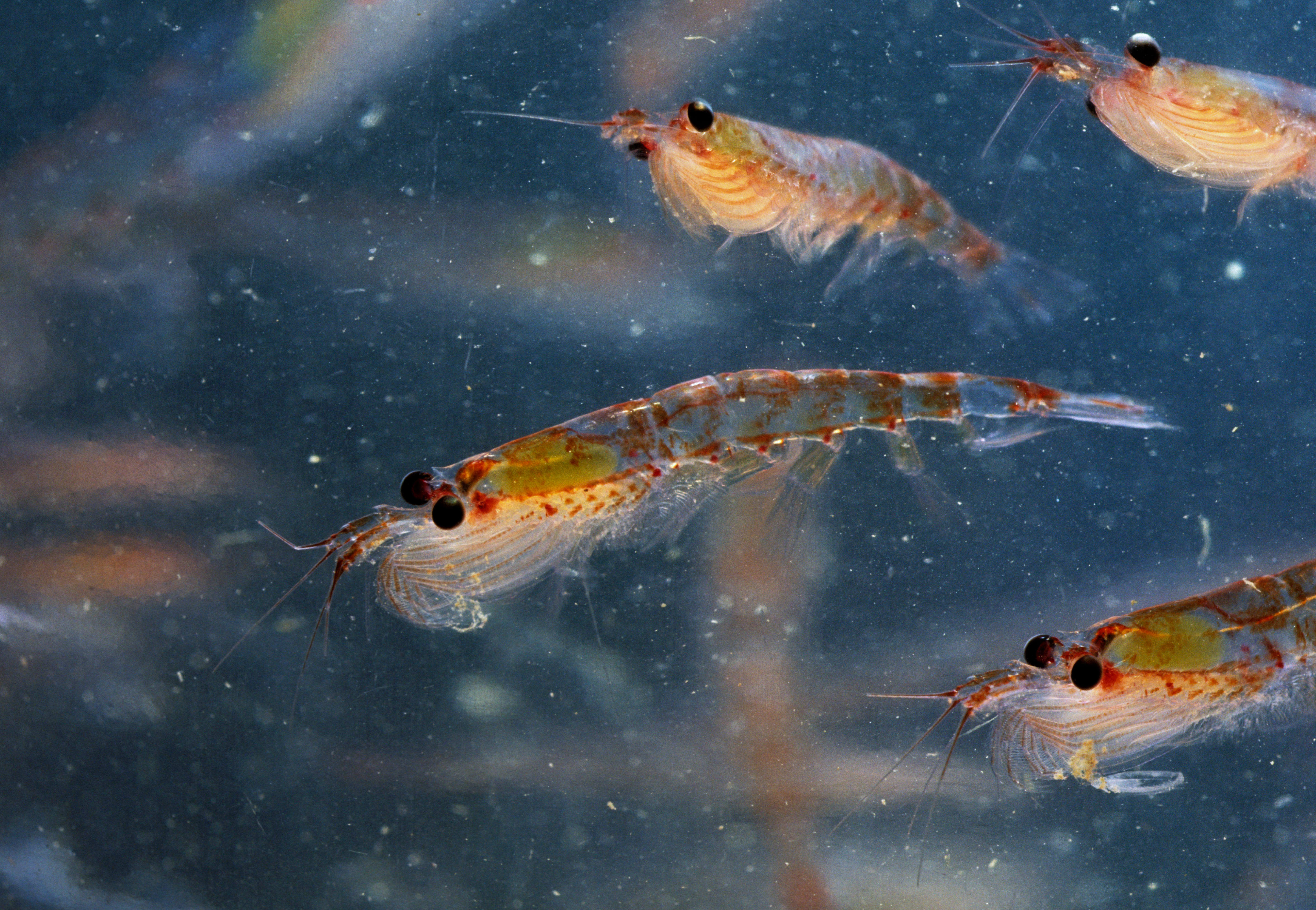
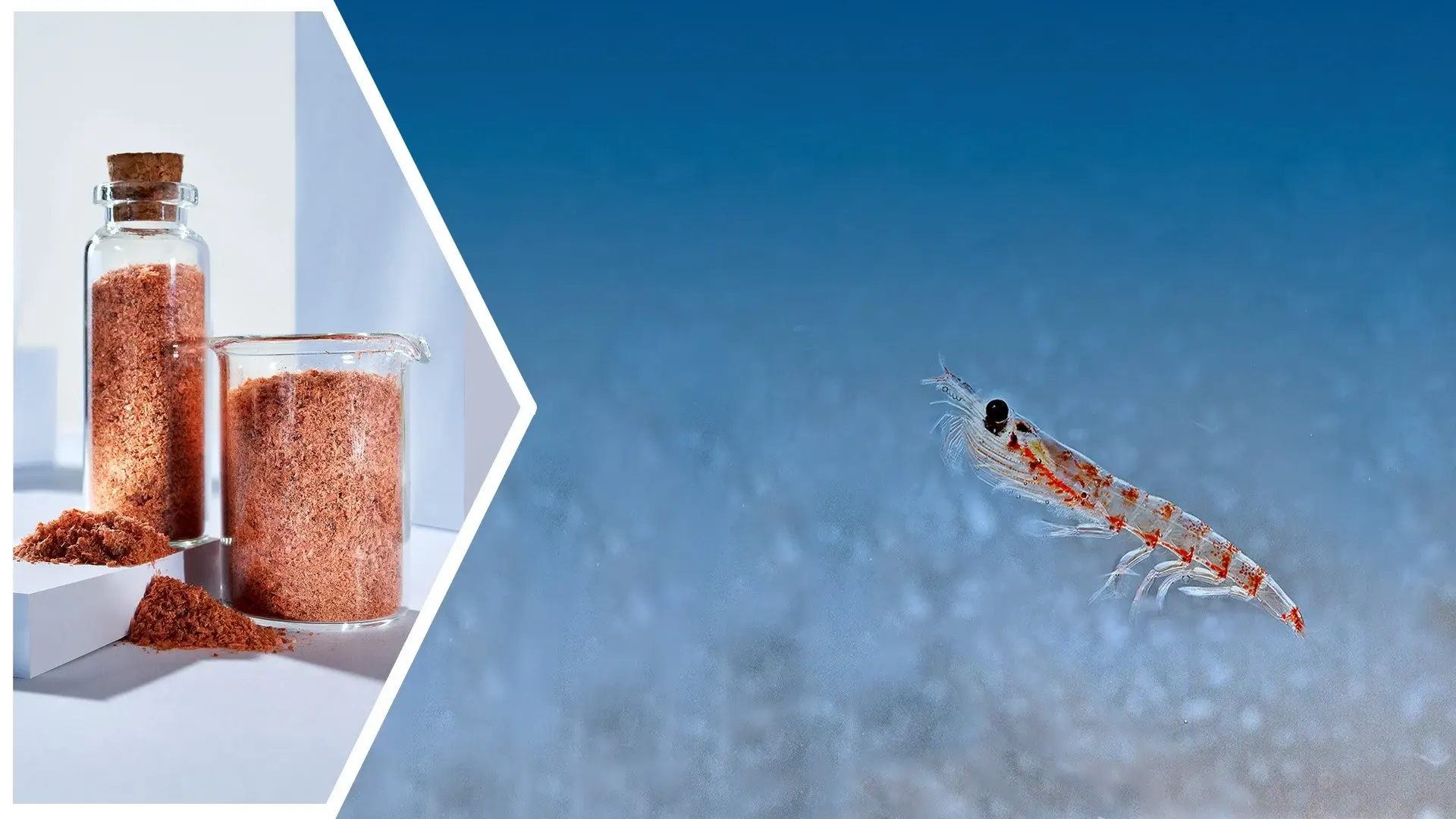
Krill meal is a high-protein feed ingredient produced by processing Antarctic krill, small shrimp-like crustaceans found in the Southern Ocean. These tiny organisms form one of the most abundant biomass sources on Earth and are harvested under strict sustainability regulations. Once caught, krill are cooked, dried, and milled into a fine, nutrient-rich powder that retains a natural reddish hue due to its astaxanthin content, a powerful antioxidant.
Unlike traditional fishmeal, krill meal is rich in marine-derived phospholipids, which enhance the bioavailability of omega-3 fatty acids. This unique composition supports animal growth, reproductive performance, and immune function more efficiently than many other feed proteins.

Nutritional Profile of Krill Meal
The exceptional nutritional content of krill meal makes it a standout ingredient in feed formulations. A typical krill meal contains:
- Protein: 55–65%
- Lipid (fat): 10–20%, mainly omega-3 fatty acids (EPA and DHA)
- Ash: 10–15%
- Moisture: 6–10%
- Astaxanthin: 100–250 ppm
- Phospholipids: 30–40% of total lipids
This nutrient composition provides a balanced amino acid profile similar to fishmeal but with higher digestibility and antioxidant value. The phospholipid-bound omega-3s in krill meal are more efficiently absorbed compared to the triglyceride form found in fish oil, leading to enhanced benefits for metabolism, immunity, and tissue development.
Benefits of Krill Meal for Livestock and Poultry
Improved Growth Performance
Krill meal enhances feed intake and growth rates in livestock and poultry. Studies have shown that animals fed diets supplemented with krill meal exhibit higher average daily gain (ADG) and improved feed conversion ratios (FCR) compared to those fed conventional protein sources. The palatable flavor and amino acid balance stimulate appetite and nutrient utilization.
Enhanced Immune Function
The omega-3 fatty acids and antioxidants in krill meal strengthen the immune system, helping animals resist infections and stress. Astaxanthin, in particular, combats oxidative damage caused by metabolic activity or environmental challenges.
Reproductive Health
Krill meal supplementation has been linked to improved reproductive parameters, such as better sperm quality, fertility rates, and hatchability in poultry. The phospholipids and DHA support reproductive cell membrane integrity and hormone regulation.
Improved Meat and Egg Quality
In poultry and swine, diets containing krill meal can enhance meat color, fatty acid profile, and overall nutritional value. Eggs from hens fed krill meal are often richer in omega-3s and have a more vibrant yolk color due to astaxanthin.
Better Stress Management
Krill's antioxidant compounds help reduce the impact of heat stress and oxidative challenges, leading to better performance during periods of environmental or physiological strain.

Krill Meal in Pet Nutrition
Krill meal has gained strong popularity in premium pet food formulations for dogs and cats due to its nutrient density, palatability, and functional health benefits.
Supports Joint and Skin Health
The omega-3 fatty acids (EPA and DHA) in krill meal are essential for maintaining joint mobility, reducing inflammation, and supporting healthy skin and coat. Phospholipid-bound omega-3s are especially beneficial for joint lubrication and cellular repair.
Boosts Immune and Heart Function
Krill meal's antioxidants, particularly astaxanthin, support cardiovascular health and immunity by protecting cells from oxidative stress and inflammation.
Enhances Digestibility and Nutrient Uptake
The natural enzymes and amino acid balance in krill meal improve digestion and nutrient absorption in dogs and cats, promoting overall vitality.
Promotes Healthy Brain Function
The DHA in krill meal supports cognitive function, particularly in developing puppies and kittens, as well as aging pets.

Krill Meal in Aquaculture
Krill meal is widely recognized as a superior feed additive for aquaculture species such as salmon, shrimp, and tilapia. It provides multiple advantages over traditional fishmeal or plant-based proteins:
Color Enhancement
The astaxanthin in krill meal enhances the natural pigmentation of fish and crustaceans, improving skin and flesh coloration, which is highly valued in aquaculture markets.
Improved Growth and Feed Efficiency
The high digestibility and palatability of krill meal lead to faster growth rates and better feed utilization in farmed fish and shrimp.
Stronger Immune Response
Regular inclusion of krill meal enhances resistance to bacterial and viral infections, reducing mortality rates.
Better Reproduction and Egg Quality
Krill meal improves egg viability and larval survival rates due to its balanced fatty acid and antioxidant content.
Reduced Feed Waste
Due to its natural attractants and palatability, krill meal encourages complete feed consumption, minimizing waste and improving water quality in aquaculture systems.

Sustainability and Environmental Considerations
Krill are harvested under strict international regulations set by the Commission for the Conservation of Antarctic Marine Living Resources (CCAMLR) to ensure ecosystem balance. Reputable suppliers adhere to quotas and seasonal harvesting limits to maintain the Antarctic food chain's integrity.
Krill meal production also aligns with sustainable aquafeed trends by reducing dependency on overfished species used for fishmeal. Some manufacturers use eco-friendly processing methods to preserve nutrients and reduce carbon footprint, making krill meal a responsible and sustainable feed option

Optimal Inclusion Rates in Feed
The inclusion rate of krill meal depends on the target species and formulation goals:
- Poultry: 1–5% of total feed
- Swine: 2–5%
- Aquaculture (fish/shrimp): 3–8%
- Pet food: 2–10%, depending on the desired omega-3 and antioxidant levels
Higher inclusion levels may be used for breeding animals or species with high nutritional demands, though cost and formulation balance must be considered.
Conclusion
Krill meal stands out as a premium, multifunctional ingredient that enhances animal health, growth, and product quality across livestock, aquaculture, and pet nutrition sectors. Its unique composition - combining high-quality protein, phospholipid-bound omega-3s, and natural antioxidants - offers unmatched benefits compared to traditional feed sources.
For farmers and feed manufacturers aiming to improve animal performance while maintaining sustainability, krill meal provides a scientifically supported, eco-friendly solution. With rising awareness of natural and sustainable nutrition, krill meal's role in modern feed formulations will only continue to grow.
References
Turchini, G. M., et al. (2020). "Fish oil replacement with alternative lipid sources in aquaculture feeds." Reviews in Aquaculture, 12(4), 1880–1913.
Berge, G. M., et al. (2013). "Effect of krill meal on growth performance and pigmentation in Atlantic salmon." Aquaculture Nutrition, 19(3), 370–381.
Sealey, W. M., et al. (2011). "Evaluation of Antarctic krill meal as a replacement for fish meal in aquaculture diets." North American Journal of Aquaculture, 73(1), 33–44.
Ytrestøyl, T., et al. (2022). "Krill meal as a sustainable feed ingredient in aquaculture." Frontiers in Marine Science, 9, 881024.
Krogdahl, Å., et al. (2018). "Digestibility and health effects of krill meal in animal nutrition." Animal Feed Science and Technology, 242, 110–121.
CCAMLR (2023). Conservation Measures for Krill Fisheries. Commission for the Conservation of Antarctic Marine Living Resources.