


In the world of animal nutrition, krill meal has emerged as one of the most valuable and sustainable ingredients for improving animal health, growth, and performance. Derived from small crustaceans known as Antarctic krill (Euphausia superba), this marine ingredient is packed with essential nutrients that support multiple aspects of animal physiology - from growth performance and reproductive efficiency to immune function and antioxidant defense.
Used in feed formulations for fish, poultry, swine, and pets, krill meal offers a nutrient-dense and bioavailable source of proteins, lipids, omega-3 fatty acids, and natural antioxidants. In this blog, we'll explore what makes krill meal unique, how it benefits different animal species, and why it is becoming a preferred alternative to traditional fish meal in the feed industry.
What Is Krill Meal?
Krill meal is a finely ground, dried product made from whole Antarctic krill - small shrimp-like creatures found in cold ocean waters. These krill are harvested responsibly from the Southern Ocean under strict sustainability standards. Once harvested, the krill are cooked, pressed, and dried to produce a high-quality meal rich in proteins, lipids, minerals, and pigments.
The composition of krill meal typically includes:
- Protein: 55–65%
- Fat (including omega-3 fatty acids): 15–25%
- Astaxanthin (natural antioxidant): 100–400 mg/kg
- Chitin, vitamins, and minerals
What makes krill meal particularly valuable is its nutrient bioavailability. Unlike many other marine ingredients, krill lipids are primarily in the form of phospholipids, which are more easily absorbed by animals compared to triglycerides found in fish oil. This allows for better utilization of omega-3 fatty acids such as EPA (eicosapentaenoic acid) and DHA (docosahexaenoic acid) - critical nutrients for cellular health, brain function, and immunity.

Nutritional Composition and Unique Bioactive Compounds
Krill meal is not just a source of protein - it's a functional feed ingredient that delivers multiple bioactive nutrients.
High-Quality Protein
Krill meal provides a complete amino acid profile, including lysine, methionine, and threonine, which are essential for muscle growth and tissue repair. Its high digestibility ensures optimal nutrient absorption, even in young or sensitive animals.
Omega-3 Fatty Acids
Krill meal contains high levels of EPA and DHA, essential omega-3 fatty acids that support:
- Brain and nervous system development
- Reproductive health
- Anti-inflammatory activity
- Improved cardiovascular and immune function
Because krill oil in the meal is bound to phospholipids, these omega-3s are more efficiently incorporated into cell membranes.
Astaxanthin
One of the most unique aspects of krill meal is its astaxanthin content - a powerful natural antioxidant and carotenoid that gives krill their red color. Astaxanthin supports:
- Immune system protection
- Skin and feather pigmentation
- Reproductive performance
Antioxidant defense against cellular damage
Chitin and Chitosan
The krill's exoskeleton provides chitin and chitosan, natural polysaccharides with prebiotic and antimicrobial properties. These compounds promote healthy gut microbiota and protect against harmful pathogens.

Benefits of Krill Meal in Animal Nutrition
Enhances Growth Performance
Studies show that animals fed diets containing krill meal experience better growth rates and feed conversion ratios compared to those fed traditional protein sources.
Krill's balanced amino acid composition and phospholipid-bound omega-3s improve nutrient absorption and energy efficiency, supporting muscle development and overall growth.
In aquaculture, fish fed krill meal show faster growth, improved appetite, and higher survival rates - making it a valuable feed additive for salmon, shrimp, and tilapia production.
Boosts Immune Function
The combination of astaxanthin, omega-3 fatty acids, and chitin provides strong immune support. These compounds help regulate inflammatory responses, enhance disease resistance, and reduce the impact of environmental stressors.
Research indicates that krill meal supplementation improves the non-specific immune response in fish and shrimp, strengthening their ability to fight infections naturally without antibiotics.
Improves Reproductive Performance
Krill meal has been shown to enhance fertility, egg quality, and hatchability in breeding animals. The phospholipids and omega-3s in krill support reproductive tissue health and improve embryo development.
In poultry and aquaculture, krill meal inclusion leads to better egg yolk color, higher hatchability rates, and improved larval vitality.
Supports Healthy Skin, Coat, and Feathers
Astaxanthin and omega-3 fatty acids promote skin elasticity, coat shine, and feather quality in animals. For pets, regular intake of krill meal can reduce skin inflammation, dryness, and shedding. In poultry, it contributes to brighter plumage and stronger feathers, improving appearance and welfare.
Enhances Pigmentation
Astaxanthin in krill meal is a natural pigment enhancer, improving coloration in aquaculture species (e.g., salmon, shrimp, ornamental fish) and egg yolk pigmentation in poultry. It replaces synthetic pigments like canthaxanthin, making it a safer, natural alternative.
Improves Digestive Health
Krill meal supports gut health by promoting beneficial bacteria and improving gut morphology. The presence of chitin acts as a prebiotic fiber, stimulating microbial fermentation and enhancing nutrient utilization.
Antioxidant Protection
Astaxanthin and omega-3 fatty acids provide a powerful antioxidant defense system that reduces oxidative stress - one of the leading causes of cellular aging and inflammation. This benefit is particularly valuable for older pets and livestock under stress.
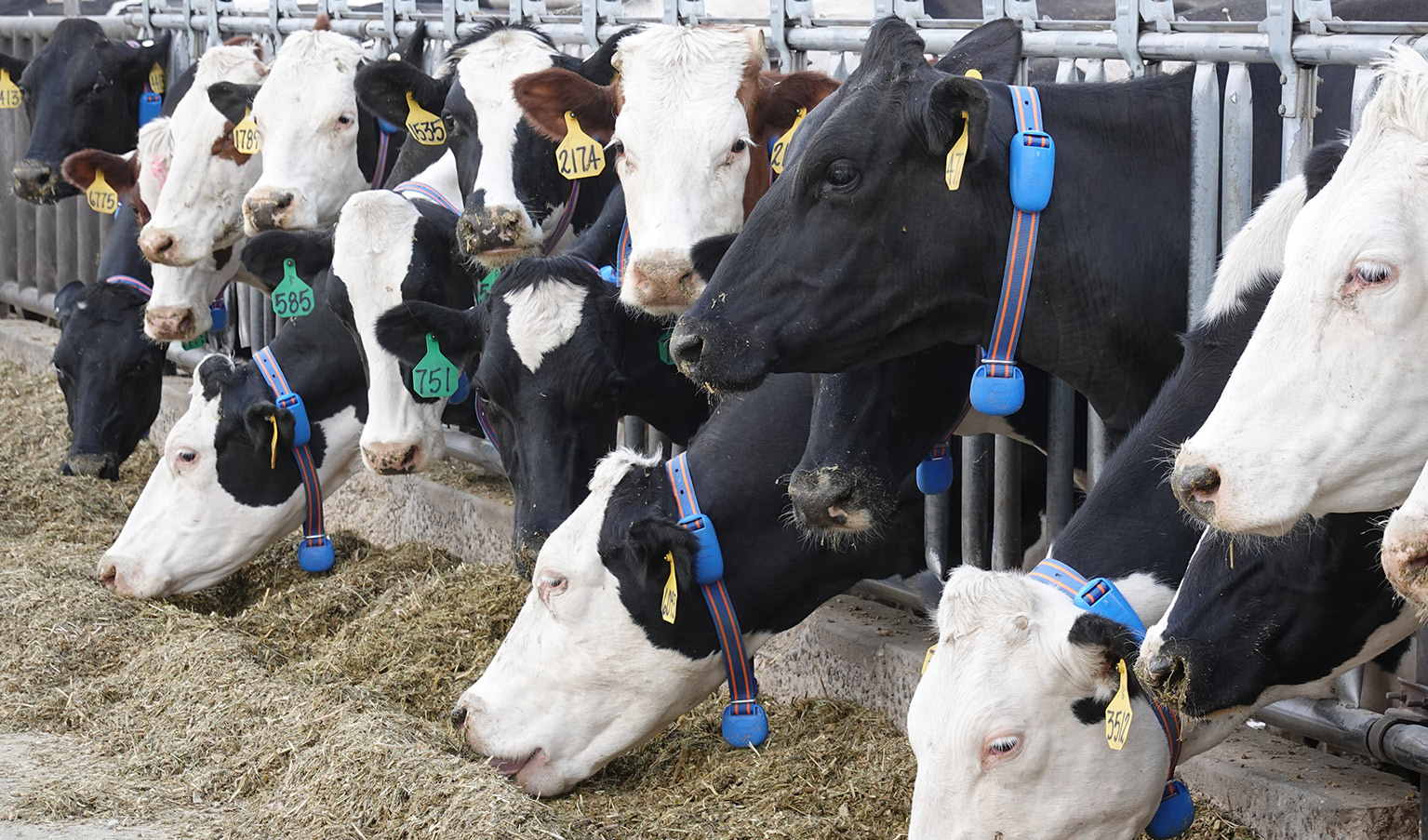
Applications of Krill Meal Across Animal Categories
Aquaculture
Krill meal is widely used in aquafeed for salmon, trout, shrimp, and marine fish due to its palatability, digestibility, and pigmenting properties. It enhances feed intake, growth, and flesh coloration while improving stress tolerance and disease resistance.
Poultry
In poultry diets, krill meal acts as a natural source of protein, omega-3s, and carotenoids. Studies show that it improves egg yolk pigmentation, enhances shell quality, and supports reproductive health in layers and breeders. Additionally, omega-3-enriched eggs from krill-fed hens offer higher nutritional value for consumers.
Swine
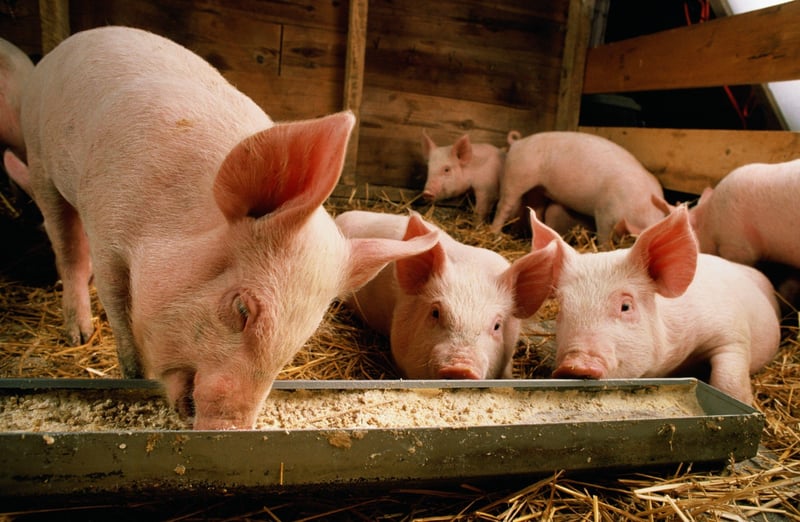
For pigs, krill meal supplementation enhances growth rate, feed efficiency, and immune resilience. Omega-3 fatty acids improve reproductive performance in sows and reduce inflammation associated with stress or infection.
Pets (Dogs and Cats)
In pet nutrition, krill meal serves as a premium ingredient for skin, joint, and cognitive health. The bioavailable phospholipid-bound omega-3s and antioxidants make it more effective than fish oil in improving coat condition, reducing inflammation, and supporting overall vitality.

Sustainability and Environmental Value
Krill harvesting is regulated by the Commission for the Conservation of Antarctic Marine Living Resources (CCAMLR), ensuring that production remains sustainable and environmentally responsible.
Annual harvests are limited to less than 1% of the total krill biomass, protecting the Antarctic ecosystem.
Krill meal production uses by-products efficiently, minimizing waste.
Its high nutrient density allows for lower inclusion rates, reducing the feed industry's overall carbon footprint.
By replacing less sustainable fish meal sources, krill meal contributes to eco-friendly and resource-efficient animal production systems.
Economic and Practical Advantages for Feed Producers
High digestibility allows for lower feed inclusion rates without compromising performance.
- Improved palatability encourages feed intake in finicky animals.
- Natural pigmentation eliminates the need for synthetic colorants.
- Functional benefits (immunity, reproduction, growth) add market value to finished feeds.
Although krill meal is typically more expensive than fish meal, its efficiency and bioavailability make it cost-effective in the long term. Many feed formulators find that smaller amounts of krill meal can replace larger quantities of conventional proteins.
Recommended Inclusion Levels
- Fish and shrimp feed: 2–10%
- Poultry feed: 1–5%
- Pig feed: 1–3%
- Pet food: 1–5%
These inclusion rates depend on species, age, diet formulation, and production goals. Even at low levels, krill meal delivers measurable improvements in health and productivity.

Conclusion
Krill meal represents a next-generation feed ingredient that combines superior nutrition, sustainability, and functionality. Its high-quality proteins, bioavailable omega-3 fatty acids, natural astaxanthin, and immune-boosting compounds make it a versatile and valuable addition to animal diets.
Whether it's improving fish growth and color, enhancing egg quality in poultry, or supporting joint and coat health in pets, krill meal offers comprehensive benefits across multiple animal species.
As the global feed industry continues to shift toward natural and sustainable solutions, krill meal stands out as a powerful ingredient that not only supports animal health but also contributes to environmental stewardship - a win for farmers, feed producers, and the planet alike.
References
Everson, I. (2000). Krill: Biology, Ecology, and Fisheries. Blackwell Science Ltd.
Turchini, G. M., Torstensen, B. E., & Ng, W. K. (2009). Fish oil replacement in finfish nutrition. Reviews in Aquaculture, 1(1), 10–57.
Olsen, R. E., et al. (2006). Effects of krill meal on growth performance and lipid composition in Atlantic salmon. Aquaculture Research, 37(4), 337–345.
Tou, J. C., Jaczynski, J., & Chen, Y. C. (2007). Krill for human consumption: Nutritional value and potential health benefits. Nutrition Reviews, 65(2), 63–77.
Aker BioMarine. (2018). Krill Meal in Aquaculture Feeds: A Sustainable Source of Omega-3s and Astaxanthin. Technical Report.
FAO. (2021). The State of World Fisheries and Aquaculture: Sustainability in Action. Food and Agriculture Organization of the United Nations.
Zhang, H., et al. (2020). Dietary krill meal enhances growth, antioxidant capacity, and immunity in shrimp. Aquaculture Nutrition, 26(3), 825–835.


