Pet nutrition has come a long way in recent years. Today, pet owners expect food and supplements that do more than just fill a bowl-they want products that support long-term health, taste good, and are easy for pets to accept. Behind many of these improvements are smart ingredient technologies, especially microencapsulation and micropelletization.
While these terms may sound complex, their purpose is simple: to help pets get the nutrition they need in a form they enjoy.
Why Processing Matters in Pet Nutrition
The quality of pet food isn't only about which ingredients are used. How those ingredients are processed plays a huge role in their effectiveness and acceptance.
Some nutrients are sensitive to moisture, heat, or air. Others have strong smells or bitter tastes that pets naturally avoid. Without proper processing, even the best ingredients can lose their value-or be rejected altogether.
Microencapsulation and micropelletization solve many of these challenges.
Understanding Microencapsulation
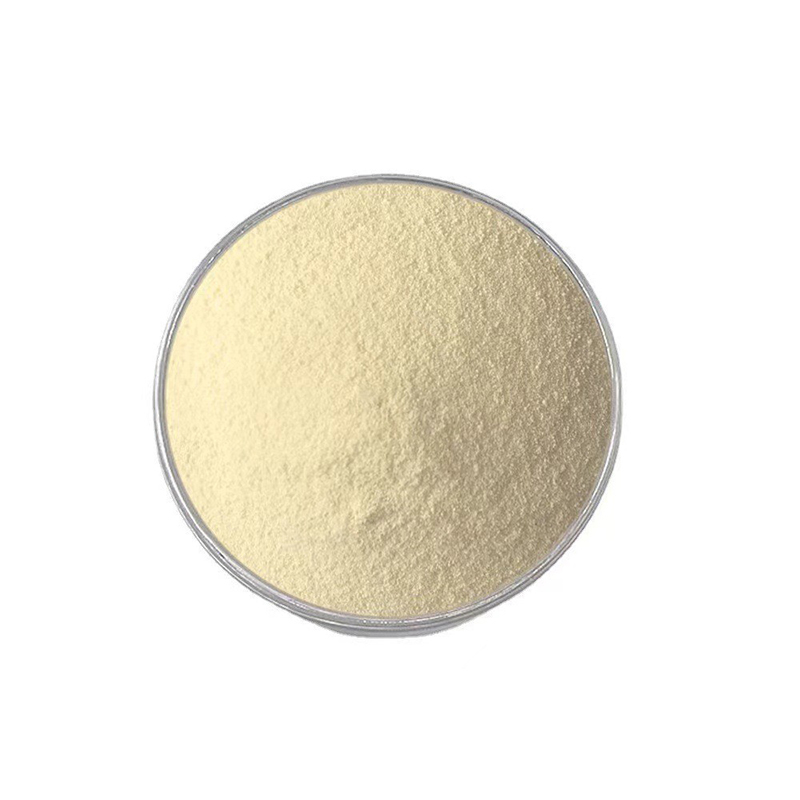
Microencapsulation is a process that surrounds an ingredient with a thin protective coating. This coating helps shield the nutrient from moisture, oxygen, and environmental stress.
In pet nutrition, microencapsulation helps:
- Protect sensitive nutrients
- Reduce moisture absorption
- Maintain freshness and stability
- Extend shelf life
- Improve consistency in feeding
This means nutrients stay effective from production to the moment your pet consumes them.
What Is Micropelletization?
Micropelletization transforms fine powders into small, uniform pellets. These micropellets are easier to handle and mix into pet food formulas.
One of the biggest advantages of micropelletization is its ability to mask strong odors and unpleasant tastes. Many functional ingredients have smells that pets dislike, especially cats and picky dogs. Micropellets help lock those odors inside, making food and supplements more appealing.
:max_bytes(150000):strip_icc()/a-cat-and-dog-eating-out-of-separate-food-bowls-together-185057557-58978e6a5f9b5874ee461b9d.jpg?size=598x0 "Microencapsulated and Micropelletized supplier")
Better Palatability for Pets
Pets rely heavily on their sense of smell. If something smells "off," they may refuse it-no matter how healthy it is.
By improving taste and reducing strong odors, microencapsulated and micropelletized ingredients:
- Increase food acceptance
- Reduce feeding stress
- Improve supplement compliance
- Support consistent nutrient intake
This is especially helpful for senior pets, sensitive animals, and therapeutic diets.
Improved Moisture Control and Stability
Moisture is one of the biggest enemies of pet food ingredients. It can cause clumping, spoilage, and nutrient breakdown.
Both microencapsulation and micropelletization help limit moisture absorption, keeping ingredients dry and stable. This improves product appearance, texture, and shelf life while protecting nutritional value.
More Effective Nutrient Delivery
Microencapsulation doesn't just protect ingredients-it can also help control how nutrients are released in the digestive system. This supports better absorption and more consistent benefits.
For pets, this means:
- Better nutrient use
- More reliable health support
- Improved overall performance and vitality
Common Ingredients That Benefit from These Technologies
Many functional pet nutrition ingredients work better when microencapsulated or micropelletized, including:
- Vitamins and minerals
- Amino acids
- Organic acids
- Probiotics
- Plant extracts
- Energy and metabolic support ingredients such as BHB
These technologies allow formulators to use powerful ingredients without compromising taste or stability.

Applications in Pet Food and Supplements
Microencapsulated and micropelletized ingredients are widely used across the pet industry, including:
Functional Pet Foods
Supporting digestion, immunity, joint health, and metabolism.
Pet Health Supplements
Powders, capsules, and chews that are easier to feed and better accepted.
Senior Pet Nutrition
Helping aging pets maintain energy, cognitive health, and comfort.
Performance and Active Pet Diets
Providing sustained energy and recovery support for working and sporting dogs.
Veterinary and Therapeutic Diets
Ensuring precise nutrient delivery with improved compliance.
Benefits for Manufacturers
These technologies also offer advantages during production:
- Easier handling and mixing
- Less dust and ingredient loss
- Better dosing accuracy
- Improved product appearance
- Greater consistency between batches
This leads to higher-quality products and greater customer trust.

Meeting Modern Pet Owner Expectations
Today's pet owners want products that are:
- Effective and science-based
- Safe and stable
- Palatable for pets
- Easy to use
- High in quality
Microencapsulated and micropelletized ingredients help brands meet these expectations while delivering real health benefits.

Final Thoughts
Microencapsulation and micropelletization may happen behind the scenes, but their impact on pet nutrition is significant. By protecting sensitive nutrients, reducing moisture issues, and improving taste and smell, these technologies make it easier to create pet foods and supplements that pets enjoy and benefit from.
In modern pet nutrition, it's not just about what's in the bowl-it's about how those ingredients are prepared to support health, happiness, and long-term well-being.