Modern pet food is no longer just about basic nutrition. Today's pet owners expect food that supports long-term health, delivers real functional benefits, and still tastes good enough for pets to enjoy every meal. To meet these expectations, pet food manufacturers are increasingly relying on advanced ingredient technologies-especially microencapsulation and micropelletization.
These processes work behind the scenes, but they play a major role in improving ingredient stability, palatability, and overall product quality.
Contact us for inquiry and certifications and for free sample. Email:info@hjagrifeed.com
Why Ingredient Processing Matters More Than Ever
Many of the ingredients used in modern pet food-such as vitamins, minerals, probiotics, and functional supplements-are sensitive by nature. They can be affected by moisture, heat, oxygen, and even strong odors during processing and storage.
Without proper protection, these ingredients may lose effectiveness or make food less appealing to pets. This is why smart processing methods are just as important as ingredient selection itself.

Understanding Microencapsulation
Microencapsulation involves coating tiny particles of an ingredient with a protective layer. This coating helps shield the ingredient from moisture and environmental stress while preserving its nutritional value.
In pet food, microencapsulation helps:
- Maintain nutrient stability
- Reduce moisture absorption
- Protect sensitive compounds during processing
- Extend shelf life
- Improve consistency in feeding
By keeping nutrients intact, microencapsulation ensures pets receive the full benefits of each ingredient.

What Micropelletization Brings to Pet Food
Micropelletization transforms fine powders into small, uniform pellets. These micropellets are easier to handle, mix, and distribute evenly throughout pet food.
One of the biggest advantages of micropelletization is its ability to mask strong smells and unpleasant tastes. Many functional ingredients have odors that pets find off-putting. Micropellets help reduce these sensory issues, making food more appealing-especially for picky eaters.
Improving Palatability and Acceptance
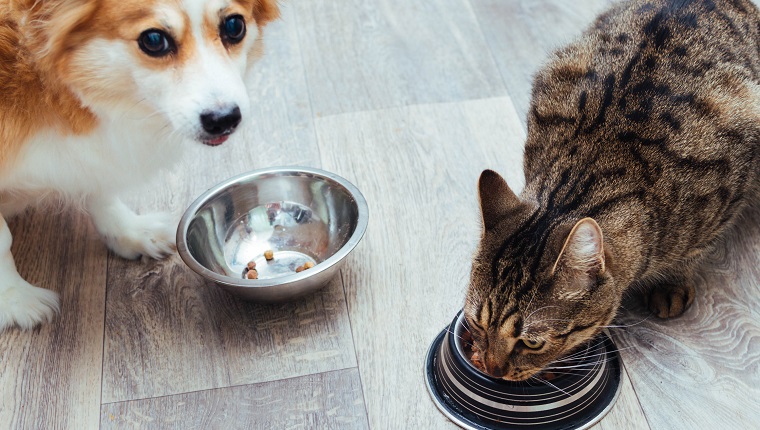
Pets rely heavily on their sense of smell when deciding whether to eat something. Even nutritionally rich food can be rejected if it smells too strong or tastes bitter.
Microencapsulated and micropelletized ingredients help by:
- Reducing unpleasant odors
- Improving taste and mouthfeel
- Making functional ingredients easier to include
- Increasing overall food acceptance
This leads to better feeding experiences for both pets and their owners.

Better Moisture Control and Shelf Life
Moisture is one of the main causes of ingredient degradation in pet food. It can lead to clumping, spoilage, and loss of potency.
Both microencapsulation and micropelletization help limit moisture absorption, keeping ingredients dry and stable for longer periods. This improves shelf life and ensures consistent quality from production to feeding.
Supporting Effective Nutrient Delivery
Microencapsulation can also help control how nutrients are released during digestion. This supports better absorption and more efficient use of nutrients in the body.
For pets, this means:
- More reliable nutritional support
- Improved digestion and metabolism
- Better overall health outcomes

Common Ingredients That Benefit from These Technologies
Many pet food ingredients perform better when microencapsulated or micropelletized, including:
- Vitamins and minerals
- Amino acids
- Probiotics
- Organic acids
- Plant extracts
- Energy and metabolic support ingredients
These technologies make it possible to use powerful ingredients without compromising taste or stability.
Applications in Modern Pet Food
Microencapsulation and micropelletization are widely used in:
- Functional pet food formulas
- Senior and age-support diets
- Performance and active dog nutrition
- Veterinary and therapeutic diets
- Pet health supplements and treats
They help ensure nutrients are delivered safely, effectively, and in a pet-friendly way.
Benefits for Pet Food Manufacturers
From a production perspective, these technologies offer several advantages:
- Improved ingredient handling
- Reduced dust and waste
- More uniform mixing
- Better dosing accuracy
- Higher product consistency
This results in better-quality products and increased consumer trust.

Meeting the Expectations of Today's Pet Owners
Modern pet owners are more informed than ever. They look for products that are safe, effective, and thoughtfully formulated.
Microencapsulation and micropelletization help brands deliver:
- High-quality nutrition
- Better product stability
- Improved palatability
- Reliable health benefits
All while maintaining a clean and professional formulation approach.
Final Thoughts
Microencapsulation and micropelletization may not be visible on the label, but their impact on modern pet food is significant. By protecting sensitive nutrients, improving taste and smell, and enhancing shelf life, these technologies help create pet foods that pets enjoy and benefit from every day.
In today's pet food industry, innovation isn't just about new ingredients-it's about smarter ways to deliver them.
FAQ
Q1: What is microencapsulation in pet food?
A1: Microencapsulation is a processing technology that coats tiny ingredient particles with a protective layer. It helps protect sensitive ingredients from moisture and environmental stress while maintaining their stability and nutritional value.
Q2: What is micropelletization in pet food?
A2: Micropelletization is a process that transforms fine powders into small, uniform pellets. These micropellets are easier to handle, mix, and distribute evenly throughout pet food.
Q3: Why are microencapsulation and micropelletization important for pet food?
A3: These technologies can help improve ingredient stability, moisture control, palatability, handling, mixing, and product consistency, making it easier to incorporate functional ingredients into modern pet food formulations.
Q4: How does microencapsulation protect pet food ingredients?
A4: Microencapsulation creates a protective coating around sensitive ingredients, helping shield them from moisture, heat, oxygen, and other environmental stresses during processing and storage.
Q5: Can microencapsulation improve ingredient stability?
A5: Yes. Microencapsulation can help maintain the stability of sensitive nutrients and functional compounds, supporting more consistent ingredient quality throughout processing and storage.
Q6: Can micropelletization improve the palatability of pet food?
A6: Yes. Micropelletization can help mask strong odors and unpleasant tastes associated with some functional ingredients, which may make the finished pet food more acceptable to pets.
Q7: How do these technologies help with unpleasant odors?
A7: Micropelletization and protective coatings can help reduce the direct exposure of strong-smelling ingredients, helping minimize unpleasant odors and making functional ingredients easier to incorporate into pet food.
Q8: Can microencapsulation and micropelletization improve pet food shelf life?
A8: They can help limit moisture absorption and protect sensitive ingredients from environmental conditions. This can contribute to better ingredient stability and longer-lasting product quality, depending on the formulation and storage conditions.
Q9: What ingredients can be microencapsulated or micropelletized?
A9: The technologies can be applied to various ingredients, including vitamins, minerals, amino acids, probiotics, organic acids, plant extracts, and energy or metabolic support ingredients.
Q10: Can these technologies be used for probiotics in pet food?
A10: Yes. Probiotics are among the ingredients that may benefit from protective processing because they can be sensitive to environmental and processing conditions.