


Sustainable agriculture is no longer a fad - it's becoming the standard for producers who want to maintain their ecological footprint minimal while harvesting nutritious crops. One of the key components of this transition is finding green alternatives for chemical pesticides. Tea saponin liquid, derived from Camellia plant seeds, is becoming an effective, non-toxic pest control agent. Known for its natural surfactant properties and pesticidal activity, tea saponin offers an organic way to control pests while maintaining soil and crop health.
In this blog, we'll explore how tea saponin liquid works, its benefits for pest management, and why it's becoming a favorite among organic farmers and gardeners.

What Is Tea Saponin Liquid?
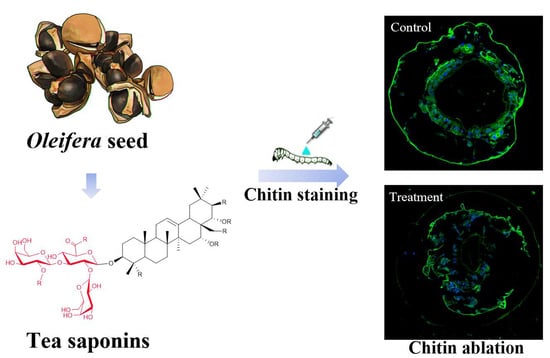
Tea saponin is a naturally occurring chemical compound found in Camellia seeds, especially the tea seed meal residue after oil extraction. Tea saponin is just one type of glycoside which, when dissolved in water, becomes a foamy solution with excellent emulsifying and cleaning qualities. Tea saponin exists in a highly concentrated liquid form which is easy to apply and is thus ideal for horticulture and agriculture uses.
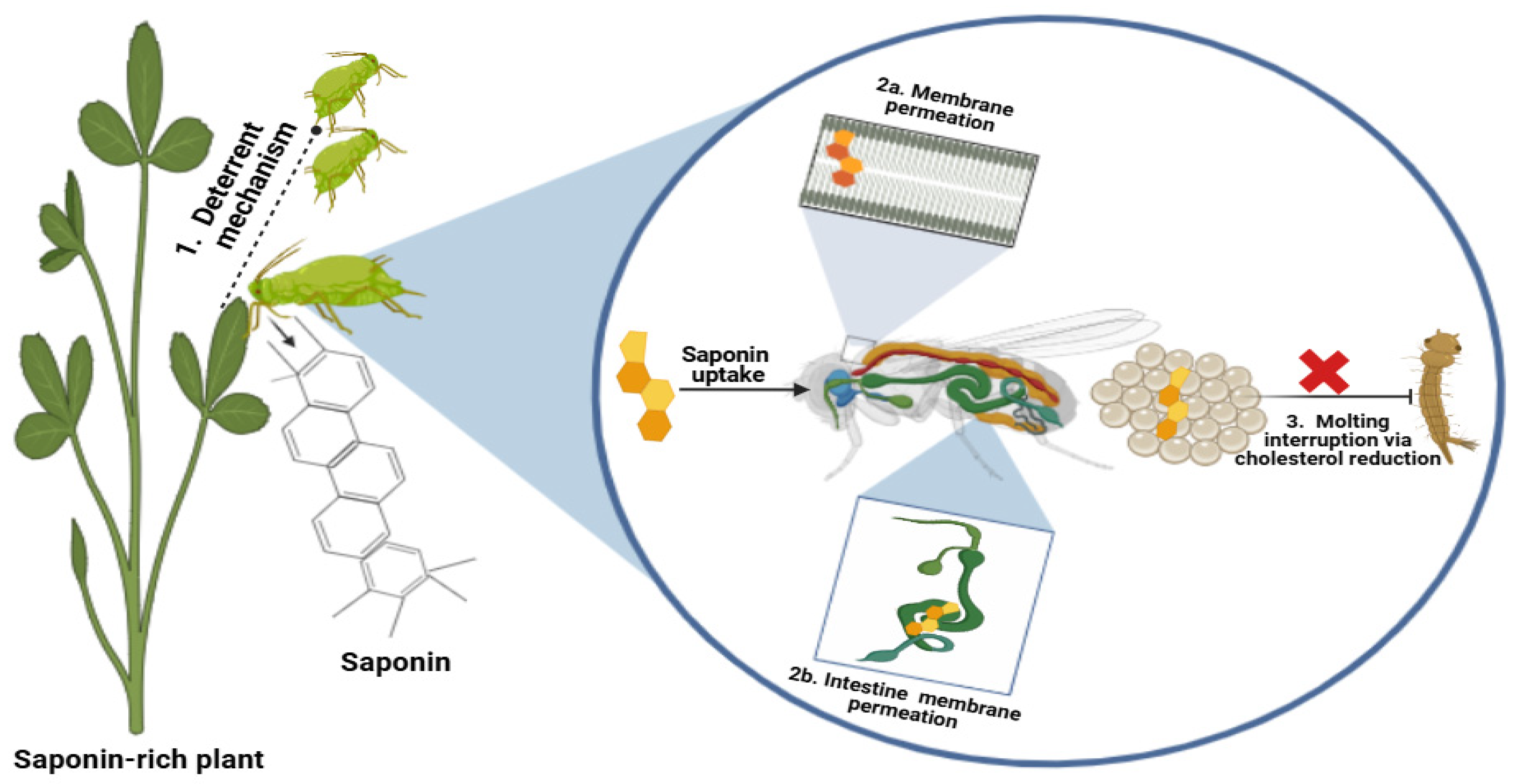
Its primary role in pest control is attributed to its ability to disrupt insect membranes, repel certain pests, and suppress harmful soil organisms without leaving toxic residues. It is therefore suitable for organic farming certification and environmentally sound growing systems.

How Tea Saponin Liquid Works in Pest Control
Tea saponin liquid has different modes of action against pests:
1. Natural Insect Repellent
The unpleasant smell and bitter flavor of tea saponin make it unattractive to the majority of pest insects. As a natural pesticide, when applied to plants, it repels infestation.
2. Insect Membrane Disruption
Tea saponin disrupts the outer membranes of certain soft-bodied insects (e.g., mites and aphids) and penetrates them, leading to dehydration and death. This is similar in action to soap without chemical additives.
3. Anti-Parasitic Properties
Used in aquaculture and soil amendment, tea saponin liquid has been employed to control parasites, nematodes, and mollusks. When used in agriculture, it has been utilized to reduce pest levels of soil-dwelling insects without killing beneficial organisms when properly applied.
4. Surfactant Effect to Enhance Spray Coverage
As an organic surfactant, tea saponin improves sprays' spreading and adhesion capacities onto the plant surface. This means that even when blended with other organic insecticides, its effectiveness is enhanced.
Benefits of Tea Saponin Liquid for Organic Pest Management
1. Eco-Friendly and Biodegradable
In contrast to synthetic pesticides, tea saponin occurs naturally in the environment and degrades without leaving toxic residues in water or soil. This protects biodiversity and soil integrity.
2. Non-Toxic to People, Animals, and Beneficial Insects
Tea saponin is non-toxic at appropriate levels to people, animals, and beneficial insects like bees. It acts selectively against pests but has minimal effect on useful insects.
3. Multi-Faceted
Tea saponin liquid is not only ideal for pest management but also as a soil conditioner, plant growth promoter, and natural cleaner of equipment.
4. Organic Farming Approved
Most organic certification agencies approve tea saponin's use as an insecticidal agent, and it is therefore a guaranteed alternative for certified organic farmers.
5. Reduces Chemical Dependency
Replacing or reducing the reliance on chemical pesticides, tea saponin promotes healthier food systems and more sustainable agricultural practices.
Common Pests Repelled by Tea Saponin Liquid
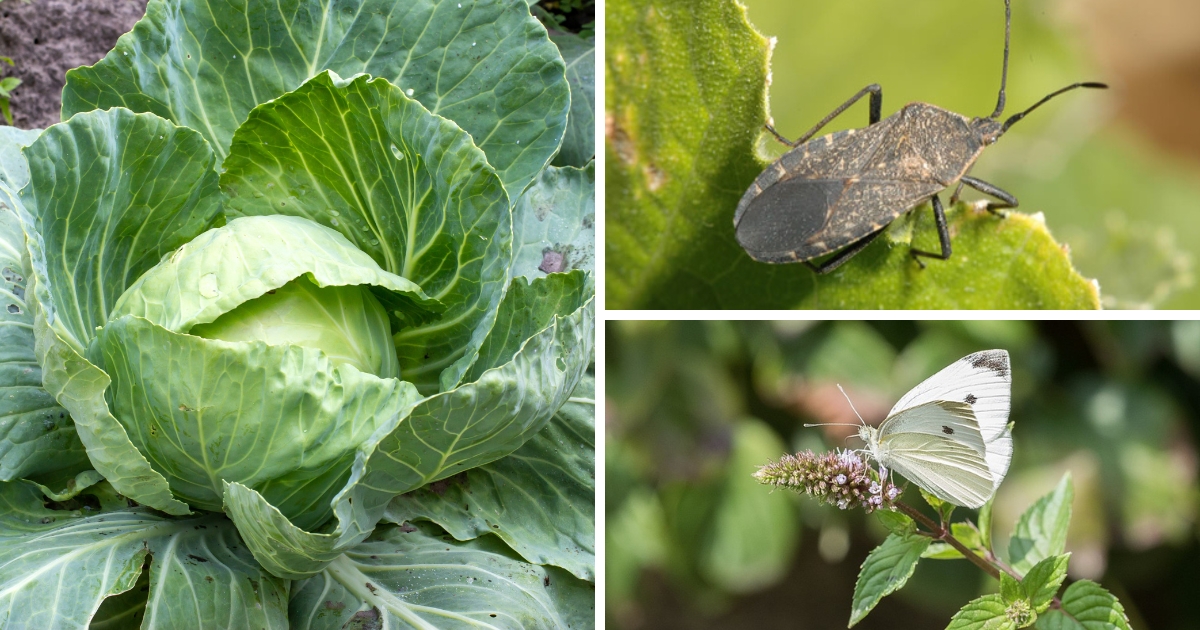
Tea saponin liquid has been found to be effective against a range of pests that affect agriculture, including:
- Aphids – Repelled by tea saponin's taste and membrane-lytic activity.
- Spider Mites – Surfactant activity helps wash and kill mites on plant leaves.
- Whiteflies – Repels them and disrupts their feeding behavior.
- Fungal Gnats – Kills larvae in soil.
- Nematodes – Suppresses root-knot nematode invasion in soil.
- Snails and Slugs – As a natural molluscicide.

Application Methods of Tea Saponin Liquid for Pest Control
Foliar Spray
- Combine tea saponin liquid and water according to the manufacturer's recommendation.
- Spray uniformly on both sides of the leaves of the plant.
- Apply during early morning or late afternoon to avoid leaf burning.
Soil Drench
- Spray the diluted tea saponin liquid directly on the soil for use against root-zone insects like nematodes and fungal gnats.
- Integration with Other Organic Sprays
- Mix tea saponin liquid with neem oil, garlic extract, or other organic insecticides to promote adhesion and effectiveness.
Safety and Best Practices
- Use Recommended Dosage – Overuse can damage plant roots or beneficial insects.
- Avoid Spraying in Full Sun – This reduces the risk of phytotoxicity.
- Patch Test on a Limited Area First – For very sensitive crops, do a patch test before full application.
- Store Properly – Keep tea saponin liquid in a cool, dry area out of direct sunlight to maintain effectiveness.

Why Tea Saponin Liquid Is Best for Organic Farmers
In sustainable agriculture, farmers require pest control products that are safe, effective, and beneficial for the environment. Tea saponin liquid satisfies all of these requirements. It combines nature's strength with modern agricultural technology for convenience, allowing farmers to manage pests without compromising soil integrity or food safety.
Its use as an insect repellent and a plant-friendly additive is a multi-purpose application for anyone committed to pesticide-free agriculture - small-scale organic farmers to large-scale sustainable agriculture operations.

Conclusion
Tea saponin liquid is a strong, natural alternative to chemical pesticides for the management of most crop pests. Since it is biodegradable, non-toxic to human health, and usable in endless combinations, it is a major component of organic pest management methods. Through tea saponin, farmers and gardeners are able to protect their crops, have healthy soils, and contribute to a cleaner, greener earth.
References
Chen, Y., Yu, X., & He, Y. (2018). Research progress on the application of tea saponin in agriculture. Journal of Tea Science, 38(2), 182–190.
Xu, Q., Wang, J., & Zhang, H. (2015). The insecticidal activity of tea saponin against common agricultural pests. Pesticide Biochemistry and Physiology, 122, 56–62. https://doi.org/10.1016/j.pestbp.2015.01.003
Liu, S., Zhao, C., & He, X. (2016). Saponins as natural insecticides: Mechanisms and potential applications. Industrial Crops and Products, 83, 136–142. https://doi.org/10.1016/j.indcrop.2015.12.045
Li, Y., Zhang, W., & Huang, J. (2019). Eco-friendly pest control solutions: Tea saponin as a botanical pesticide. Environmental Science and Pollution Research, 26(23), 23412–23421. https://doi.org/10.1007/s11356-019-05615-0
Zhang, Z., & Wang, F. (2017). Utilization of tea seed meal for sustainable agriculture. Agricultural Sciences in China, 16(4), 475–482. https://doi.org/10.1016/S1671-2927(17)60050-5


