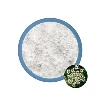
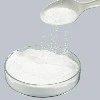
Osthol or Osthole, is a chemical compound which is a derivative of coumarin. It is found in a variety of plants including Cnidium monnieri. Scientific interest attracted its potential application as antioxidant, anti-inflammatory, antimicrobial, and immunomodulatory.
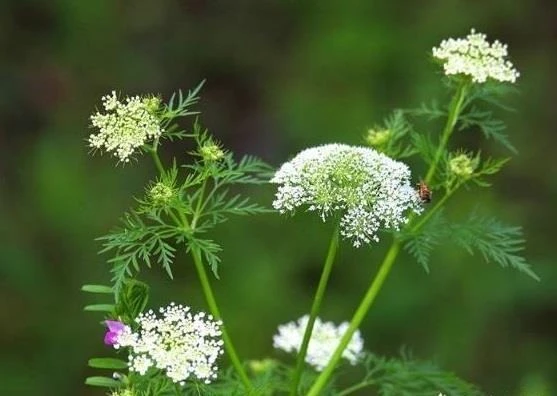
1. Why Is Osthole Receiving Attention in Animal Feed Research?
Three major research areas are contributing to interest in osthole:
- Antioxidant activity: Researchers are investigating its potential influence on cellular antioxidant defense mechanisms.
- Immune-related activity: Experimental studies have examined its interactions with inflammatory signaling pathways.
- Antimicrobial research: Laboratory research has explored its activity against selected microorganisms.
These findings provide a scientific basis for further investigation, but laboratory activity should not automatically be interpreted as proven benefits in commercial animal feeding.
2. Potential Functional Applications of Osthole
2.1 Antioxidant Defense
Oxidative stress can increase in intensive animal production due to heat, metabolic activity, and other production challenges. Researchers monitor antioxidant markers such as SOD, CAT, GSH-Px, and total antioxidant capacity. Osthole has also been studied for its potential effects on antioxidant pathways, including Nrf2 signaling.
2.2 Immune Function and Inflammatory Response
Osthole has attracted research interest because of its reported influence on inflammatory signaling pathways, including NF-κB. While research directions include inflammatory cytokine production, immune-related signaling, and cellular responses to inflammatory stimuli. However, further animal feeding trials are necessary to determine whether these effects translate into practical nutritional benefits.
2.3 Antimicrobial Research and Intestinal Health
A study in 2024, published in the Journal of Agricultural and Food Chemistry investigated the antibacterial activity and mechanism of osthole against Listeria monocytogenes. The research is relevant to the broader investigation of plant-derived antimicrobial compounds. Future studies could examine interactions with intestinal microorganisms, microbial community composition, and intestinal health indicators for animal nutrition.
2.4 Growth Performance and Feed Utilization
Animal feeding research commonly evaluates average daily gain (ADG), average daily feed intake (ADFI), feed conversion ratio (FCR), and survival rate.
Osthole's potential effects on antioxidant defense and immune-related processes make it an interesting ingredient for further study. However, production benefits must be demonstrated through controlled feeding trials.
3. Recent Research: Osthole in Poultry and Aquaculture
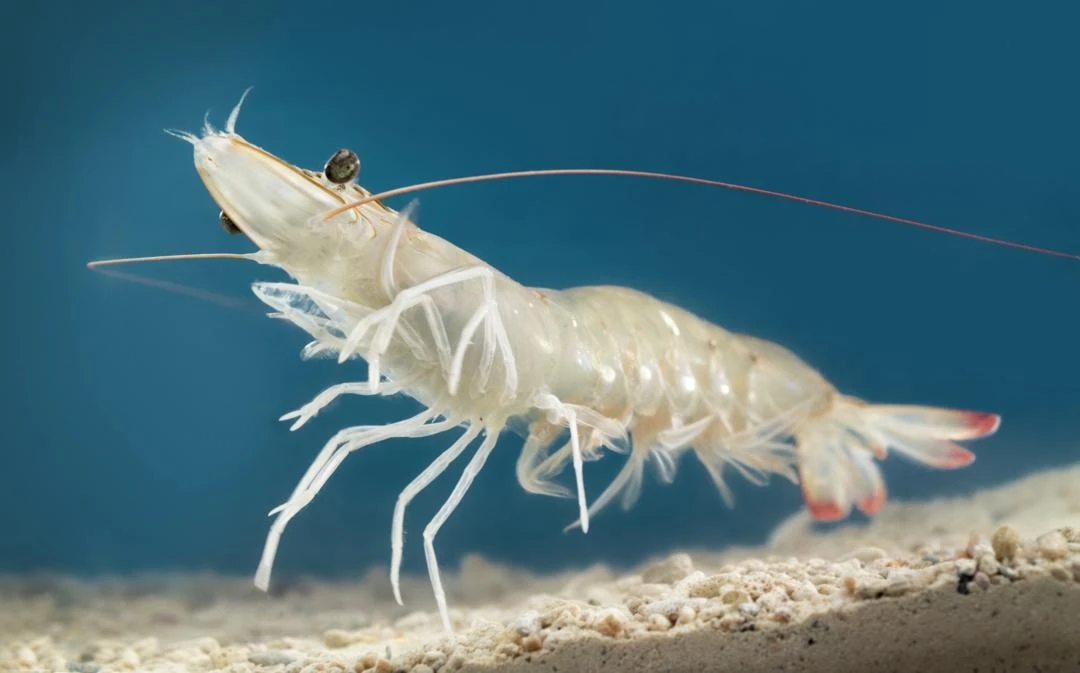
3.1 2026 Research: Osthole in Pacific White Shrimp
A 2026 study published in the British Journal of Nutrition investigated dietary osthole and its combination with tetramethylpyrazine (TMP) in Pacific white shrimp. A 42-day feeding trial examined growth performance, antioxidant capacity, immune response, and intestinal microbiota. Findings that were reported included improvements in several growth-related indicators, antioxidant enzyme activities, and selected immune-related measurements.
The research provides encouraging evidence for further investigation of osthole in aquaculture nutrition.
Reference: Yu et al. (2026), British Journal of Nutrition. DOI: 10.1017/S0007114526106746.
3.2 2024 Research: Osthole and Icariin in Laying Hens
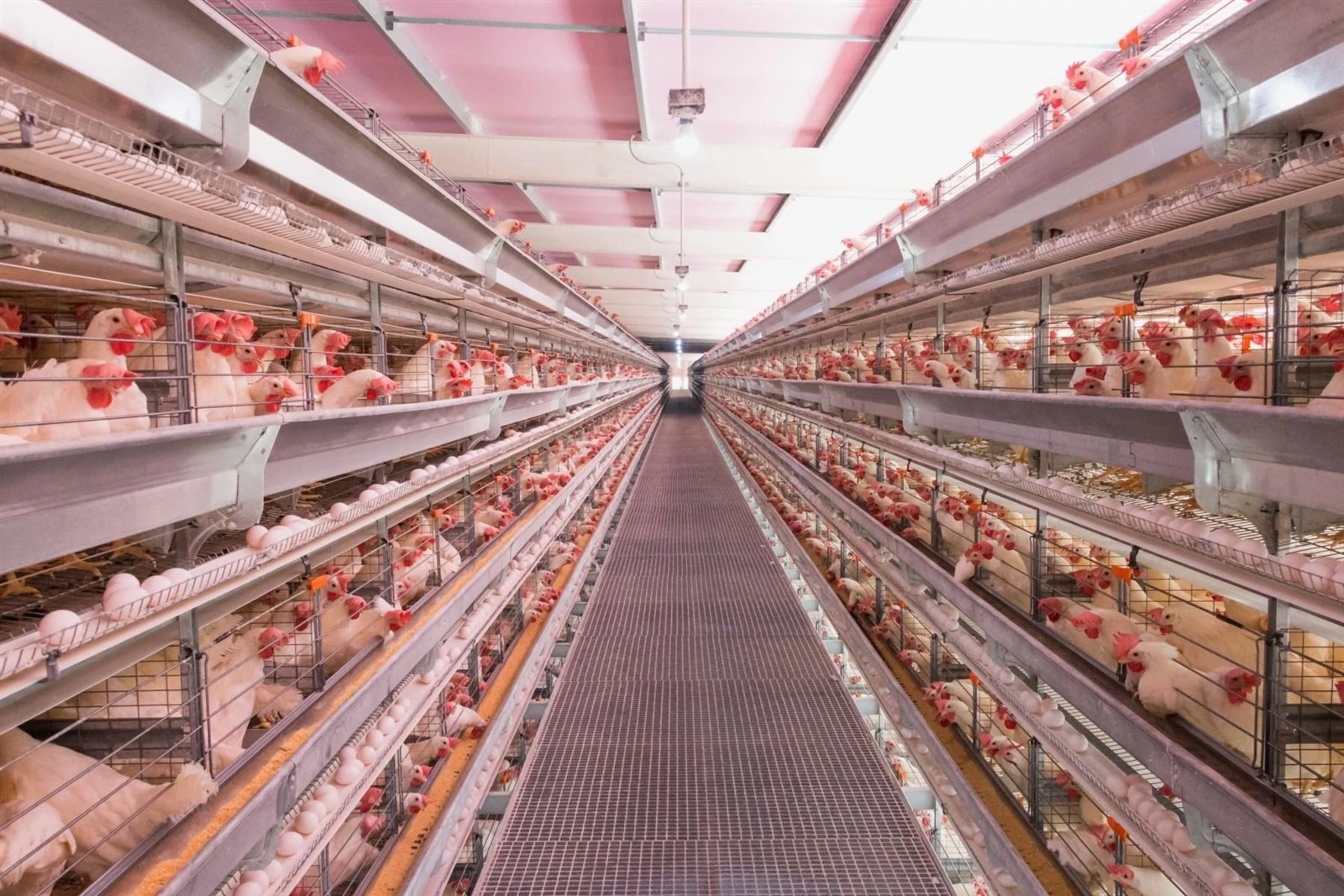
A 2024 study published in Poultry Science investigated the combination of osthole and icariin in laying hens.
The researchers evaluated laying performance, egg quality, reproductive hormones, and ovarian follicular development.
The study reported improvements in selected production and reproductive indicators.
Because both compounds were supplemented together, the findings should not be attributed to osthole alone.
Reference: Ding et al. (2024), Poultry Science, 103(5), 103579. DOI: 10.1016/j.psj.2024.103579.
4. Potential Applications Across Animal Species
Poultry Feed
Potential research areas include antioxidant defense, reproductive performance, and immune-related indicators.
Aquaculture Feed
Research has explored growth performance, feed conversion, antioxidant capacity, immune responses, and intestinal microbiota in Pacific white shrimp.
Swine Feed
Potential research directions include intestinal microbial interactions, inflammatory responses, and antioxidant-related mechanisms.
Ruminant Feed
Further studies are needed to investigate rumen microbial interactions, fermentation, nutrient digestibility, and animal tolerance.
Pet Food
Potential applications remain exploratory and require species-specific safety, metabolism, palatability, and dosage assessments.
5. Formulation Considerations When Using Osthole Extract
For feed manufacturers, ingredient selection involves more than comparing prices and active compound percentages.
Important considerations include:
Standardization: Verify osthole content and botanical source.
Analytical testing: HPLC is an important method for measuring osthole concentration.
Solubility: Osthole is relatively lipophilic and has limited water solubility. Carrier selection and dispersion should be evaluated.
Processing stability: Evaluate its behavior during mixing, pelleting, extrusion, and storage.
Dosage: There is no universally established commercial inclusion level across animal species. Published experimental levels should not be treated as general feeding recommendations.
6. What Should Buyers Look for When Sourcing Osthole Extract?

International B2B buyers should evaluate several quality parameters before selecting an osthole supplier.
|
Quality parameter |
Purpose |
|
Botanical identification |
Confirms raw material source |
|
Osthole content |
Measures active compound concentration |
|
HPLC testing |
Verifies chemical composition |
|
Moisture content |
Supports storage assessment |
|
Heavy metals |
Evaluates potential contamination |
|
Residual solvents |
Assesses extraction-related impurities |
|
Microbiological testing |
Evaluates product quality |
A batch-specific Certificate of Analysis (COA) is important for product qualification and quality assurance.
Why Choose HJHERB Biotechnology?
HJHERB Biotechnology offers a wide range of products that are of high quality and value to a variety of industries, including the agricultural industry. It is imperative in creating the highest quality feed products for animals and even aquaculture and industrial cleaning products. All of the products at HJHERB are produced in a facility that is certified in the AFIA's Safe Feed/Safe Food Certification Program. Contact us by email: info@hjagrifeed.com
Website: https://hjagrifeed.com/
References and Further Reading
- Yu et al. (2026). Effects and mechanisms of dietary Osthole and Tetramethylpyrazine on growth performance, antioxidant capability and immune response of Pacific white shrimp. British Journal of Nutrition. https://doi.org/10.1017/S0007114526106746
- Ding et al. (2024). Dietary supplementation of osthole and icariin improves the production performance of laying hens by promoting follicular development. Poultry Science, 103(5), 103579. https://doi.org/10.1016/j.psj.2024.103579
- Lin et al. (2024). Osthole, a Coumarin from Cnidium monnieri: A Review on Its Pharmacology, Pharmacokinetics, Safety, and Innovative Drug Delivery Platforms. American Journal of Chinese Medicine. https://doi.org/10.1142/S0192415X24500678
- Antibacterial Activity and Mechanism of Action of Osthole against Listeria monocytogenes (2024). Journal of Agricultural and Food Chemistry. https://doi.org/10.1021/acs.jafc.3c07931
- European Commission. Feed Additives Legislation, Regulation (EC) No. 1831/2003. https://food.ec.europa.eu/food-safety/animal-feed/feed-additives/legislation-feed-additives_en