Farmers and growers worldwide are increasingly turning toward natural plant growth enhancers to improve crop performance, stress tolerance, and yield consistency. Among the most effective natural biostimulants is Policosanol, particularly its most active component, Octacosanol. Extracted from natural waxes such as sugarcane, rice bran, wheat germ, and beeswax, policosanol has demonstrated powerful effects not only in animal nutrition but also in plant growth and crop productivity.
In agricultural applications, Policosanol (Octacosanol) acts as a metabolic stimulant, photosynthesis enhancer, anti-stress agent, and growth promoter. This long-form blog explains how it works, why it is gaining popularity, and how manufacturers like HJ AGRIFEED support farmers with high-quality plant biostimulant ingredients.
What Is Policosanol (Octacosanol)?
Policosanol is a mixture of long-chain aliphatic alcohols, the most bioactive being octacosanol (C28H58O). While policosanol is widely known for cholesterol support in human health, its agricultural potential is now being explored intensively.
For plants, octacosanol serves as:
- A biostimulant
- A metabolic booster
- A photosynthesis promoter
- A natural growth regulator
It triggers physiological improvements without acting as a hormone or chemical fertilizer, making it suitable for organic farming and sustainable agriculture.
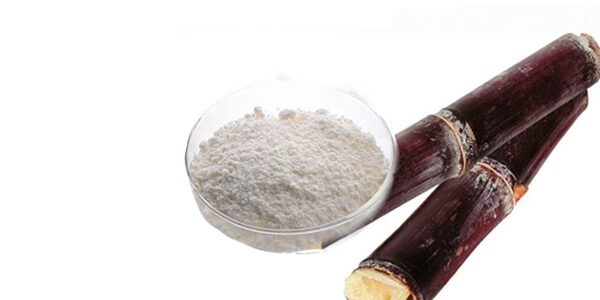
How Policosanol enhances the growth of plants.
Photosynthesis Process Efficiency
One of the strongest effects of octacosanol is its ability to increase photosynthetic rate, particularly by:
- Enhanced chlorophyll synthesis
- Increased stomatal conductance
- Enhancing CO₂ absorption
Stimulating electron transport in leaf cells
This would be:
- Increased plant growth
- Increased leaf biomass
- Enhances root development
Improved use of energy
Vegetations become greener, healthier, and tougher.
Improved Root Growth and Nutrient Uptake
A strong root system is essential for nutrient acquisition and drought resistance. Octacosanol stimulates:
- Primary root extension
- Lateral root formation
- Root hair development
This leads to:
- Enhanced nutrient uptake in soil N, P, K, Ca, Mg
- Water uptake is increased.
- Better anchorage
- Improved responsiveness to fertilizers
Because roots grow deeper and denser, crops become more tolerant of dry conditions and nutrient-deficient soils.
Drought, Heat, and Salinity Stress Tolerance
Plants exposed to environmental stress produce harmful reactive oxygen species (ROS). Octacosanol acts as a powerful antioxidant, helping plants maintain cellular integrity.
It increases the synthesis of:
- Catalase -CAT-
- Superoxide dismutase (SOD)
- Peroxidase POD
These enzymes protect the plants against:
- High temperature
- Low moisture or drought
- Salinity stress
- Oxidative damage
- Heavy metal stress
This makes policosanol highly valuable for regions affected by climate change or unreliable rainfall.
Improvement in Chlorophyll Content and Health of Leaves
Plants treated with octacosanol present :
- Darker, shinier leaves
- Higher content of chlorophyll a and b
- Improved foliage thickness
- Improved photosynthetic stability
The healthy leaves will translate to better energy capture and high yields.
Improves Flowering, Pollination, and Fruit Set
Octacosanol influences different processes of reproduction:
- This induces flowering in some crops.
- Improves pollen viability
- Improves nutrient mobility to reproductive tissues.
- Reduces flower and fruit drop
Therefore:
- More flowers bloom
- More fruits develop
- Increased fruit weight and uniformity
- Improved seed set
This is especially beneficial for horticultural crops such as tomatoes, peppers, cucumbers, melons, and berries.
Better Yield and Quality of Crops
Multiple studies confirm that octacosanol can significantly increase yield due to improved:
- Biomass production
- Root-to-shoot ratio
- Nutrient mobilization
- Photosynthetic efficiency
- Stress tolerance
Yield improvements differ among crops, but many studies are showing increases of:
- Total yield: 10–35% ↑
- Dry matter 15–40% higher
- Improved fruit color, size, and sugar content.
This makes policosanol an excellent addition to modern crop management systems.

Mechanism of Action: How Policosanol Works Inside Plants
Mechanistically, octacosanol acts at the cellular level through many pathways:
1. The HMG-CoA reductase pathway is stimulated.
Improvement in metabolic energy production and lipid biosynthesis.
2. Regulation of plant respiration
Enhances mitochondrial function to improve ATP generation.
3. Stimulation of rubisco activity
Enhances carbon fixation and photosynthesis.
4. Improved ROS-scavenging activity
This compound protects tissues against oxidative stress.
5. Better hormonal balance
Supports natural growth regulators like auxins and cytokinins (without acting as hormones).
These mechanisms make policosanol a non-toxic, natural growth-promoting agent.
Applications in Agriculture
Octacosanol policosanol may be given by:
Foliar Spray
- Quickest absorption
- Improves leaf function
- Recommended dosing: 10–50 ppm
Drip irrigation / root application
- Improves root development
- Supports nutrient uptake
- Recommended: 50–150 ppm
Seed Treatment
- Improves germination and early vigor.
- Recommended: 5–20 ppm
Fertilizer or Biostimulant Formulations
It can be mixed with amino acids, humic acid, seaweed extracts, or micronutrients.
HJ AGRIFEED supplies policosanol suitable for:
- Crop-spray formulations
- Soil ameliorants
- Leaf fertilizers
- Organic farming products
- Plant stress-management solutions

Crops That Most Benefit from Policosanol (Octacosanol)
Field Crops
- Corn
- Rice
- Wheat
- Soybeans
- Barley
- Sugarcane
Vegetations
- Tomatoes
- Eggplant
- Cabbage
- Pepper
- Cucumber
Fruit Crops
- Wine
- Apples
- Citrus
- Melons
- Strawberries
Industrial & High-Value Crops
- Tea
- Coffee
- Cotton
- Herbs & spices
- Flowers & ornamentals
The positive response is consistent across many crop types.

Advantages of Using Policosanol for Plant Growth
- 100% natural and eco-friendly
- Suitable for organic and conventional farming
- Works at very low dosages
- Improves yield and quality
- Enhances rooting and plant vigor
- Environmental friendly and safe for beneficial insects
- Increases tolerance to plant stress
- Increases farmers' profitability
It is safer and easier to manage than synthetic plant hormones.

Why Choose HJ AGRIFEED Policosanol (Octacosanol) for Agriculture?
At HJ AGRIFEED, we provide high-quality natural ingredients for both animal feed and agricultural applications. Our plant-grade Policosanol (Octacosanol) offers:
- High purity
- Excellent solubility with proper formulation
- Strong biostimulant performance
- Compatibility with organic fertilizers and foliar sprays
- Consistent quality for professional agriculture
We support distributors, fertilizer manufacturers, and farmers with reliable, research-backed natural biostimulants.

Conclusion
Policosanol (Octacosanol) is one of the most promising natural plant growth biostimulants available today. Its ability to increase photosynthesis, improve root structure, reduce stress, enhance flowering, and boost yield makes it valuable for all agricultural systems-from field crops to fruits and horticultural plants. As climate challenges intensify, natural solutions like policosanol help farmers grow stronger, healthier, and more productive crops sustainably.