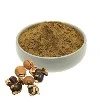
As global agriculture shifts toward sustainability, eco-friendly inputs like biostimulants, organic fertilizers, and natural plant enhancers are becoming essential. Among these natural growth-promoting compounds, Policosanol, especially its primary active component Octacosanol, is receiving growing attention for its powerful effects on crop development, stress tolerance, and yield performance.
Traditionally known for its health benefits in human nutrition, policosanol also demonstrates remarkable potential in fertilizer enhancement. When integrated into foliar sprays, soil conditioners, or liquid fertilizers, it can dramatically improve plant metabolism and productivity-without the environmental risks associated with synthetic growth hormones.
This long blog explores how Policosanol (Octacosanol) works as a fertilizer additive, its benefits for crop growth, recommended usage, and why fertilizer manufacturers are incorporating this natural compound into modern formulations.
What Is Policosanol (Octacosanol)?
Policosanol is a mixture of long-chain fatty alcohols naturally occurring in:
- Sugarcane wax
- Rice bran
- Wheat germ
- Beeswax
Among these, Octacosanol (C28H58O) is the most bioactive component and the main driver behind policosanol's plant-growth-enhancing effects.
Unlike chemical fertilizers that supply nutrients (like NPK), octacosanol works differently. It functions as a:
- Biostimulant
- Metabolism booster
- Photosynthesis promoter
- Stress-resistance booster
This makes it an ideal natural additive to boost fertilizer efficiency and support sustainable agriculture.
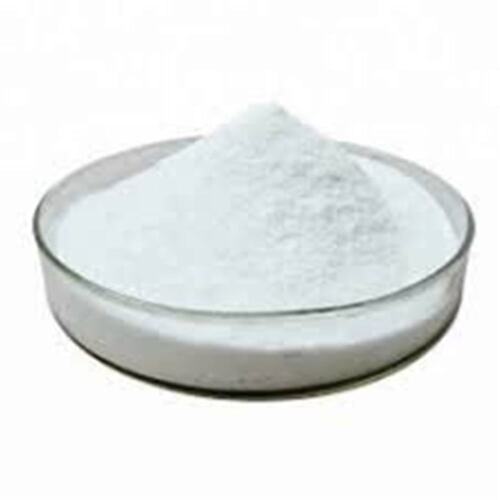
Why Add Policosanol (Octacosanol) in Fertilizer?
Policosanol doesn't replace NPK, but it amplifies the way plants use nutrients. Fertilizers supply the "food," while octacosanol boosts the plant's ability to eat, absorb, and convert that food into energy, biomass, and yield.
Here is why many fertilizer companies are adding it into their formulations.
- Improved nutrient utilization and absorption
- Increases root growth and the intake of nutrient
- Enhanced photosynthesis for fast growth
- It reduces plant stress due to heat, drought, and salinity.
- Increases flowers, fruit setting, and yield
- Works well with both organic and conventional fertilizers
- Efficient with small dosages; therefore, affordable
Simply put, adding policosanol makes fertilizers work better, leading to healthier crops and better harvests.

How Policosanol improves plant growth
1. Increased Efficiency in Photosynthesis
One of the most documented benefits of octacosanol is its ability to increase the photosynthetic rate. It does this by:
- Increasing chlorophyll content
- Improving CO₂ consumption
- Stimulating the Rubisco enzyme
- Improvement of electron-transporting ability in chloroplasts
Plants produce more sugars and energy, hence:
- Improved vegetative growth
- Thicker leaves and stems
- Higher yield potential
2. Enhances Root Development
Strong roots are the foundation of all productive crops. Policosanol enhances root health by:
Stimulating root elongation
Increasing lateral root branching
Improvement in root hair development
This leads to:
- Improved nutrient absorption
- Higher water absorption
- Stronger anchorage
- Improved performance on poor soils
When combined with fertilizers, the improved root system allows plants to capture more nutrients from the soil, maximizing fertilizer efficiency.
3. Improved Stress Tolerance: Temperature, Drought, Salinity
Plants exposed to environmental stress generate oxidative compounds that damage cells. Octacosanol acts as a natural antioxidant, increasing enzymes that protect the plant:
- Superoxide dismutase (SOD)
- Peroxidase (POD)
- Catalase (CAT)
This leads to increased tolerance to:
- Heat stress
- Prolonged drought
- Saline soils
- Heavy metals
- UV stress
The natural protection tremendously helps crops in unfriendly climates.
4. Improved flowering and fruit setting
Healthy reproductive development is vital for yield. Octacosanol improves:
- Flower formation
- Polles' vitality
- Success of pollination
- Fruit retention
- Fruit size and uniformity
Crops respond by:
- More flowers
- Higher fruit set
- Larger fruits
- Improved overall yield
This effect is especially notable in fruit crops like tomatoes, grapes, cucumbers, melons, and citrus.
5. Improves Efficiency of Fertilizers
Stimulating plant metabolism, policosanols enable plants to:
- Absorb nutrients more efficiently
- Convert nutrients to energy and biomass
- Thrive under variable or even fertilization conditions that can be limited or imbalanced.
This means farmers can achieve the same or better results with less fertilizer, helping reduce input costs and environmental impact.

Mechanism of Action: How Policosanol Works in Plants
1. Activation of metabolic pathways
Octacosanol boosts ATP production, giving plants more energy for growth.
2. Stimulates the photosynthetic enzymes.
In particular, Rubisco impels carbon fixation.
3. Amplifies hormone-like responses without being itself a hormone.
It promotes, naturally, auxin-like and cytokinin-like activities.
4. It improves cellular respiration.
Better utilization of oxygen indicates better resistance to stress.
5. It also functions as an antioxidant.
Reduces cell damage, thus supporting faster recovery.
This multi-level action makes octacosanol a powerful natural tool for crop management.

Crops That Benefit Most from the PES Application
Field Crops
- Rice
- Corn
- Wheat
- Soybeans
- Barley
Horticultural Crops
- Tomato
- Pepper
- Cucumber
- Aubergine
- Onion
Fruit Crops
- Wine
- Citrus
- Melons
- Banana
- Apple
Industrial & Organic Crops
- Tea
- Coffee
- Cotton
- Herbals
- Spices
- Flowers
Across these crops, farmers consistently see improved growth, greener leaves, stronger roots, and higher yield.
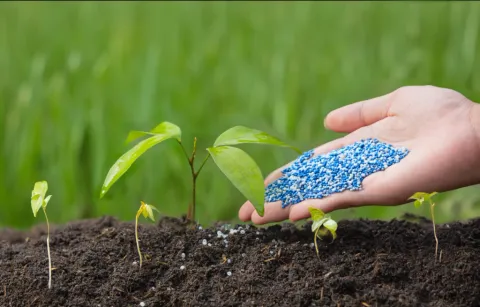
How to Apply Policosanol (Octacosanol) in Fertilizer
The application of policosanol depends on the type of product:
1. Foliar Sprays
- Concentration: 10–50 ppm
- Fastest absorption
- Perfect for promoting photosynthesis.
2. Liquid Fertilizers & Drip Irrigation
- Concentration: 50–150 ppm
- Improves root health
- Improves nutrient mobility
3. Granular Fertilizers
- Applied by coating or blending:
- Provides extended release
- Improvement on long-term plant vigor
4. Seed Treatment
- Concentration: 5–20 ppm
- Improves germination
- Improved early growth
HJ AGRIFEED supplies policosanol suitable for all these applications.

Why Fertilizer Manufacturers use Policosanol (Octacosanol)
- Manufacturers include policosanol because it:
- It increases the value of fertilizer blends
- Works synergistically with NPK, amino acids, humic acids, and seaweed extracts
- Low dosage renders it economical
- Supports organic and eco-friendly formulations
- Helps farmers achieve higher yields naturally
For companies in the agricultural supply chain, policosanol is a high-impact ingredient with excellent market potential. ⭐

Why Choose HJ AGRIFEED Policosanol?
- HJ AGRIFEED supplies high-quality policosanol designed for agricultural formulations. Our product is:
- Highly pure
- Derived from renewable plant waxes
- It is easy to incorporate in both liquid and solid products.
- Consistent in quality
- Non-toxic and environmentally friendly
We help fertilizer manufacturers and distributors create high-performance, natural, and sustainable solutions for modern farming.

Conclusion:
A Natural Innovation for Better Fertilizers Policosanol (Octacosanol) is emerging as a game-changing natural additive that enhances fertilizer performance, improves crop growth, and supports sustainable farming. Its ability to boost photosynthesis, strengthen roots, increase stress tolerance, and improve yield makes it a valuable ingredient for next-generation fertilizers.