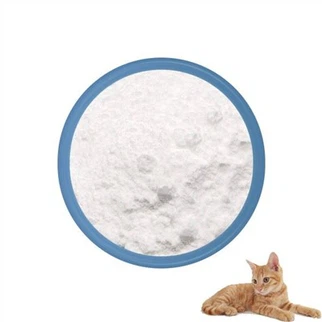
With rising production costs and climate change impacts on agriculture, farmers and growers are also pondering methods they can relate to their growing practices. Even though current fertilizer remains important to them, they fail to deal comprehensively with growing methods and nutrient absorption. This is where Policosanol (Triacontanol) interventions add immense value.
Policosanol, especially Triacontanol (C30), the most active compound, is a naturally occurring plant-derived substance that proves to be a very strong biostimulant. This compound promotes plant growth, plant nutrient efficiency, and stress resistance, all of which are achieved without negatively impacting soil or the environment.
This article examines the major advantages of Policosanol or Triacontanol on crops or plants, its mechanism of action, and its increasing widespread use in the field of modern agriculture.
What Is Policosanol (Triacontanol
It is a combination of long-chain fatty alcohols, obtained from the waxes of plants, including:
- Sugarcane wax
- Rice Bran Wax
- Wheat germ
- Algae other than Florideophyceae
Of all the compounds, Triacontanol (C30) has been shown to have the highest degree of biological activity for plant growth.
Triacontanol has its natural source in the cuticular waxes of plants, serving to shield plant tissues from evaporation, heat, pests, and damage from external elements. Spray it on plants, or mix it into fertilizer solutions – it can heighten, or boost, natural processes that plants use for growth.

How Policosanol (Triacontanol) Acts on
Policosanol Triacontanol stimulates the growth of plants by the following physiological and biochemical processes:
- Increases plant metabolism
- Enhances Photosynthesis
- Improves nutrient absorption and transport
- Improves root and leaf development
- Enhances stress resistance
Since it works inside and in synergy with plant functions, it takes very low dosages to notice the difference in plant performance.

Benefits of Policosanol/Triacontanol in Plants
1. Promotes Overall Plant Growth and Vigor
One of the most evident advantages of Triacontanol is the promotion of vegetative growth. Plants receiving Policosanol will normally exhibit:
- Quick development start
- Larger, greener leaves
- Height and mass increase
- Robust stems and branches
This increased vigor promotes better crop emergence and productivity.
2. Increases Photosynthesis & Energy Production
The key to plant productivity is photosynthesis. Policosanol Triacontanol is a photosynthesis activator, and
- Increasing chlorophyll content
- Enhancing CO2 assimilation
- Improving Stomatal Efficiency
- Promoting ATP (Energy) Production
Thus, plants can now generate more energy, resulting in enhanced growth, blooming, and yields.
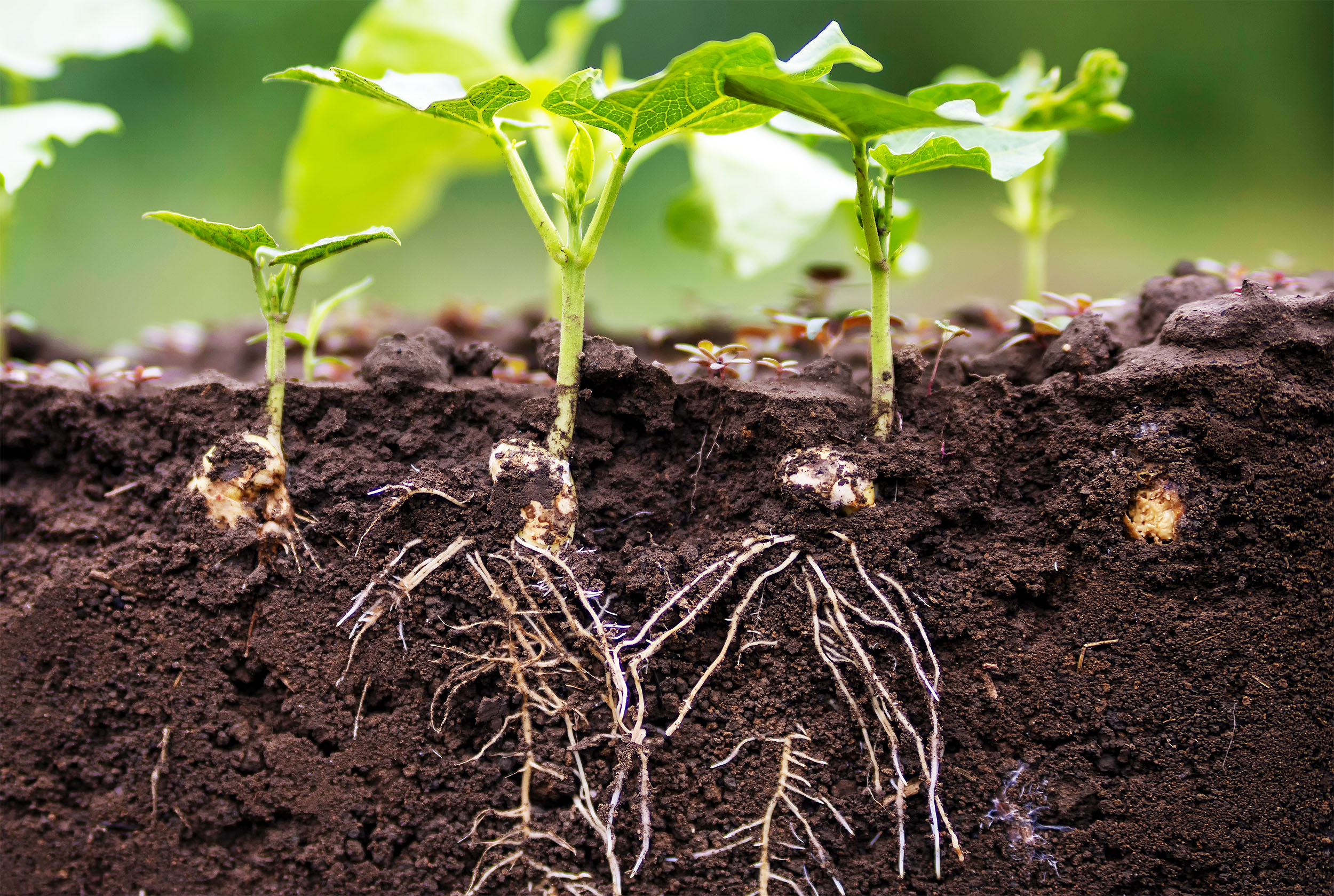
3. Enhances Root Growth and Nutrient Assimilation
A robust root system is necessary for a healthy crop. Triacontanol encourages:
- Elongation of
- Higher lateral root growth
- Improved root hair growth
- Enhanced absorption of water and minerals
With deeper roots, plants will have better access to nutrition and will not be governed by soil conditions.
4. Improves Nutrient Efficiency of Use
Rather than feeding nutrients to the plants, Policosanol increases the efficiency of how plants utilize nutrients. Policosanol assists in the following functions
- Bettered nitrogen metabolism
- Improved uptake of phosphorus and potassium
- Increased transport of nutrients through plant tissues
- Minimizing fertilizer waste
This will enable growers to get improved results within the same or lower amounts of fertilizer.
5. It helps in hardening the cuticular wax layer on
Triacontanol is involved in the production of long-chain lipids that improve the plant's wax layer.
Benefits include:
- Water loss: Decrease
- Enhanced heat resistance
- Less disease penetration
- Improved resistance to UV light
A tough cuticle enables plants to withstand adverse environmental factors.
6. Increases Stress Resistance
Environmental stress is the major cause of losses of crops. Policosanol Triacontanol increases the tolerance of plants towards:
Increasing drought stress through reduced transpiration and enhanced water retention
Protects against heat shock by stabilizing cell membranes and stimulating antioxidant defenses
oSalinity stress/high salinity/osmotic balanceSalt stress in plants impacts the root
Plants continue being greener and healthier and even produce more during stress.
7. Increases Flowering, Fruiting, and Yields
Through improved energy accessibility and nutrition utilization efficiency, Triacontanol favorably affects reproductive growth.
Growers frequently find:
- Greater flower bud production
- Lowered flower drop
- Enhanced fruit set
Improved fruit size and quality, as well as evenness of
The advantages are particularly useful for vegetables, fruit trees, and horticultural produce.
8. Encourages Natural Plant Immunity
Although Policosanol is not a pesticide, it enhances natural defenses in plants by:
- Enhancing cell wall integrity
- Increase Enzyme Activity Associated with Plant Defense
- Increasing resistance to fungal and bacterial infections
Well-nourished plants are always better at fighting off diseases.
Crops That Utilize Polycosanol (Triacontanol)
Policosanol Triacontanol has a broad application range of crops, such as:
- Vegetables (tomato, pepper, cucumber,
- Fruit Trees (Citrus, Mango, Banana, Grapes
- Grains (rice, wheat, corn
- Oilseeds & Legumes
- Ornaments & Flowering Plants
- Industrial crops (cotton, sugarcane)

How to Apply Policosanol / Triacontanol
Foliar Application (Most Common)
- Dosage: 10–
- Frequency: After every 10-15
- Time of day: Early morning, late afternoon
Seed Treatment
Enhances germination and seedling emergence.
Soil or Drip Irrigation Application
Promotes root development and nutrient absorption.
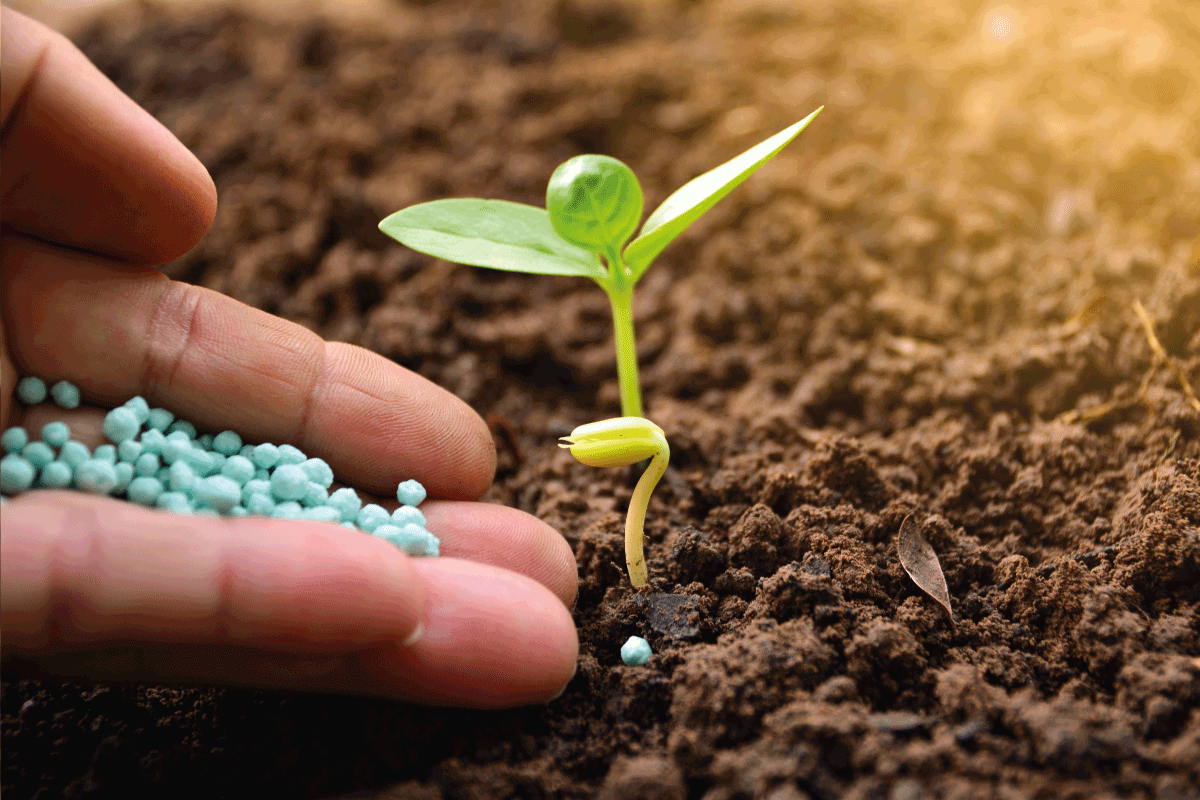
Combined Use with Fertilizers
Compatible with organic fertilizers, conventional fertilizers, humic substances, seaweed extract, and amino acids.
Why Policosanol (Triacontanol) Is Ideally suited for Sustainable Agriculture
- Policosanol Triacont
- Natural and plant-based
- Non-toxic and residue-free
- Highly effective at very low concentrations
- Non-toxic to soil microorganisms and beneficial bugs
Suitable for ecologically compatible and organic farming practices It enables high productivity rates and is environmentally friendly.
Conclusion: Policosanol (Triacontanol) Is a Potent Natural Growth Factor
Policosanol, also known as Triacontanol, has tremendous uses in agriculture due to its ability to improve growth, increase nutrient use efficiency, enhance root/leaves, and boost resistance to adverse environments. It does not help plants grow using some kind of chemicals, but rather in conjunction with their biological processes.