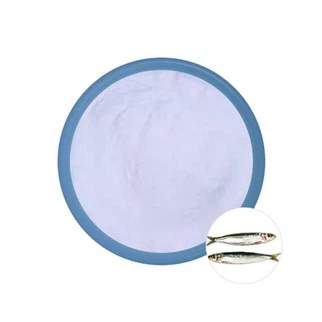
In modern agriculture, it is no longer sufficient to rely on a simple boost to fertility to ensure healthy, robust plants. Plant strength, stress tolerance, and nutrient use efficiency have also been recognized in agriculture today by farmers and agriculture practitioners. As a result, there is a growing interest in natural agents of plant growth promotion. It is in this category of compounds where Policosanol, specifically Triacontanol, a compound in Policosanol, continues to emerge.
Policosanol (Triacontanol) does not function like any conventional fertilizer or hormone. In this regard, it functions as a biostimulant because it has the natural properties necessary to make plants stronger and healthier by addressing the physiological aspects experienced by these organisms. In this case, it can be applied at a very low dose.
In this article, we shall investigate how Policosanol (Triacontanol) helps in promoting healthy plants with strong growth, its benefits, and its importance that it assumes in sustainable agriculture.
What Is Policosanol (Triacontanol)
Policosanol – A natural combination of long-chain fatty alcohols derived from plant waxes, including:
- Sugarcane wax
- Rice Bran Wax
- Wheat Germ
- Natural sources of other plant waxes
Out of these compounds, Triacontanol (C30) is the most biologically active and well-known for its beneficial effect on plant growth.
Triacontanol occurs naturally in the cuticular layer of plants. The cuticular layer serves to protect the plants from loss of water, heat, ultraviolet radiation, pests, and pathogens. Additionally, Triacontanol works to promote the natural functions of the plants when applied topically.

Why Policosanol Triacontanol Is Important for Plant Health
Healthy plants are not size-defined. In reality, healthy plants should feature:
- Reliable root systems
- Nutrient assimilation efficiency
- Balanced growth
- Stress tolerance
- Disease resistance
Policosanol
Triacontanol It helps to encourage all of these aspects because it stimulates the internal growth and protection processes in plants.
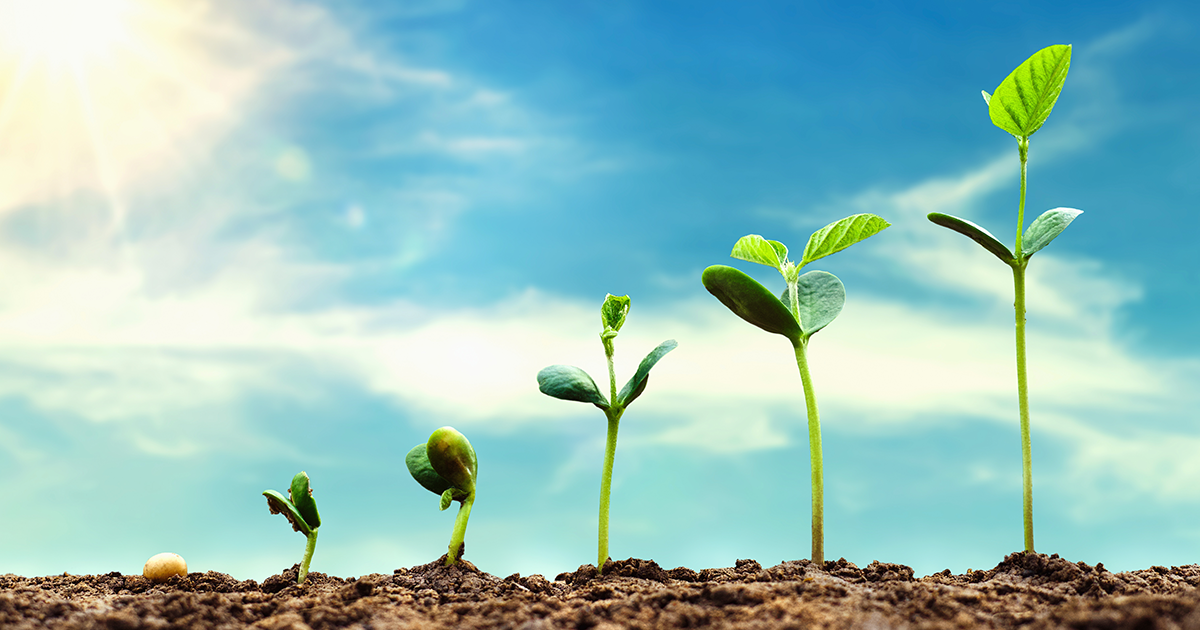
How Policosanol (Triacontanol) Strength
1. Boosting Photosynthesis and Energy Production
Photosynthesis is important for acquiring energy for plant growth and reproduction. The use of Triacontanol to enhance photosynthesis benefits plants in the
- Increasing chlorophyll concentration
- Increasing CO2 absorption
- Enhancing stomatal efficiency
- Stimulating ATP (energy) production
As a result of having additional energy, the plant grows rapidly with larger leaf tissues andvyšší biomass.
2. Encourages Good Root Development
Roots give plants their power. Here's what Policosanol Triacontanol helps to promote:
- Root elongation
- Enhanced lateral root growth
- Improved root hair development
- Enhanced water & nutrient uptake
A stronger root system will enable plants to resist drought, poor soil, and transplant shock.
3. Enhances Nutrient Use Efficiency
Instead of supplying nutrients, Triacontanol aids the effective utilization of nutrients by a plant. Triacontanol increases the following
- Nitrogen metabolism
- Phosphorus and Potassium Upt
- Internal nutrient transport
- Enzyme Activity Related to Growth
This will make plants grow well even when using the same or even lesser amount of fertilizers.
4. Enhances Plant Strength
Plants that are treated with Policosanol tend to exhibit the
- Thicker, stronger stems
- Larger and healthier leaves
- Enhanced canopy development
- Lesser lodging and breakage
A stronger plant provides enhanced strength for higher yields and improved quality.
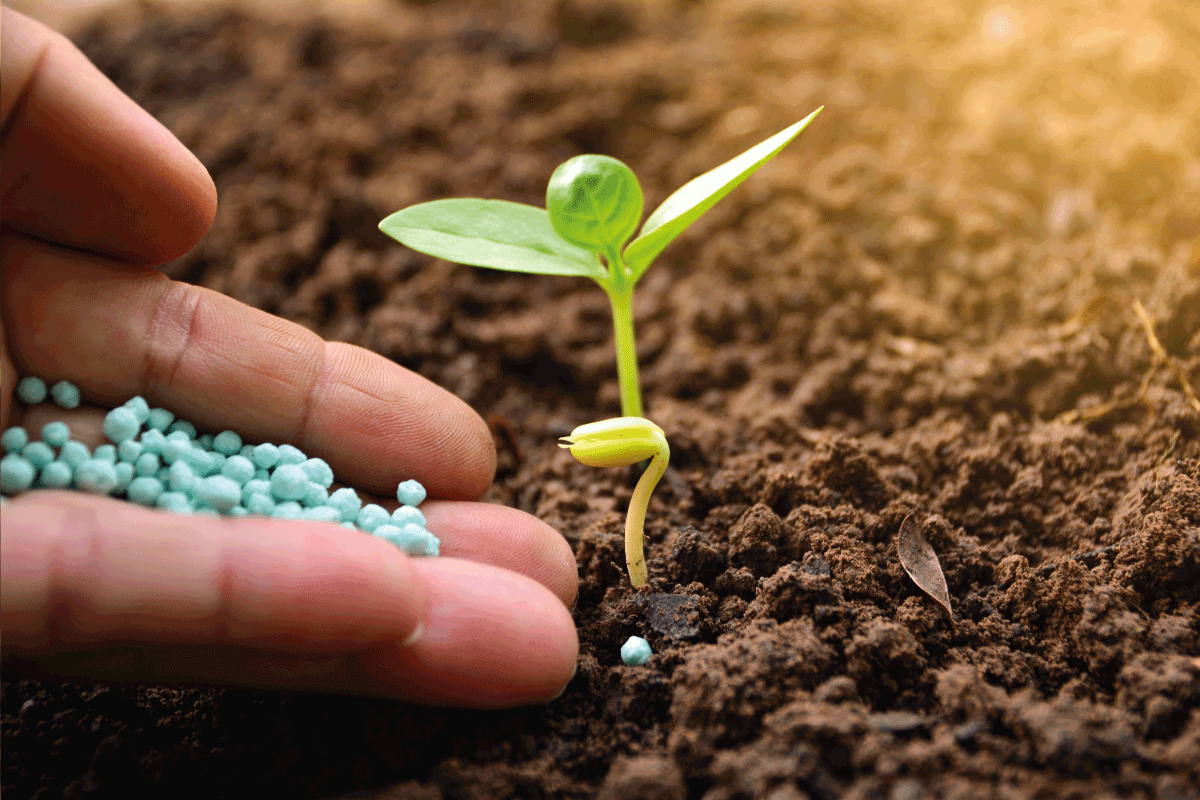
Role of Policosanol (Triacontanol) in Enhancing Plant Health and Resistance
Environmental stress is one of the factors that hinders the optimum development of crops. Policosanol/Triacontanol assists the plants in protecting themselves from within.
1. Enhances Drought Tolerance
Triacontanol promotes the epicuticular wax layer, leading to decreased transpiration rates, resulting in retaining water for a long time, hence maintaining plant activity during drought.
2. It Shields Against Heat Stress
High temperatures can damage plant cellular structure and lower productivity. Triacontanol can improve the stability of cell membranes and activate antioxidant mechanisms to reduce damage caused by high temperatures.
3. Increases Resistance to Salinity and Poor Soils
Triacontanol has been found to enhance root function and osmotic regulation so that plants can grow in saline soil, alkaline soil, and soil with poor nutrients.
4. Encourages Natural Disease Resistance
Although it is not a pesticide per se, policosanol:
- Cell wall rigidification/fort
- The activation of enzymes related to
- Reducing Pathogen Penetration
Stronger plants tend to be more immune to disease pressure.
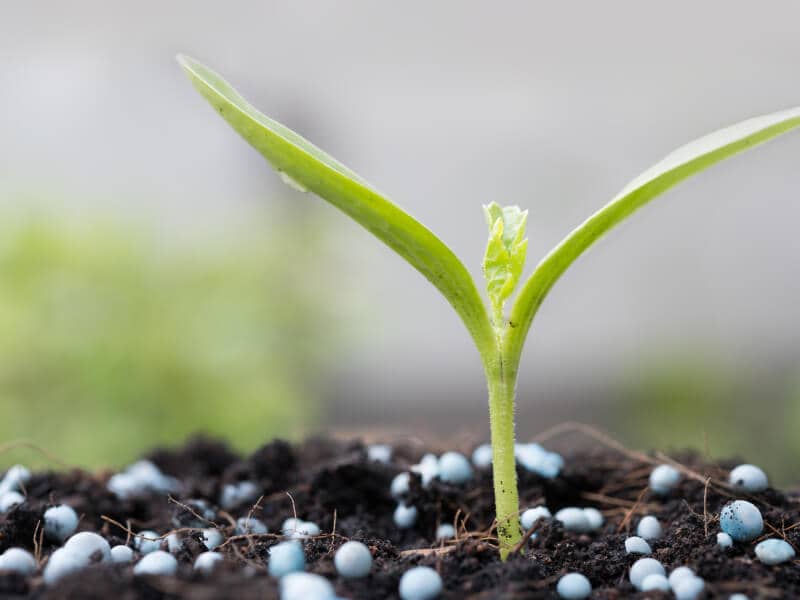
Visible Plant Response to Policosanol (Triacontanol)
Farmers and growers often notice that:
- Faster seedling establishment
- More uniform plant growth
- Leafy greens and thick leaves
- More robust stems and branches
- "Improved Flowering and Fruit Set"
- Symptoms due to stress with heat or drought
- Enhanced yield quality and consistency
Both of these factors contribute to a stronger, healthier plant.

Crops That Respond Well To Policosanol Triacontanol
Policosanol Triacontanol cope well with all kind of plants like:
- Vegetables Tomato Peppers Cucumber Onion
- Fruit trees (citrus, mango, banana, grapes)
- Grains (rice, corn, wheat
- Oilseeds & legumes
- Ornaments and flowering plants
Industrial crops such as cotton and sugarcane

How to Apply Policosanol (Triacontanol)
1. Foliar Application (Most Common)
- Dosage: 10 -40 mg/L
- Frequency: Every 10-15days
- When: Early morning or late afternoon
2. Seed Treatment
Increases seed germination and seedling vigor.
3. Soil or Drip Irrigation Application
Promotes root development and nutrient uptake.
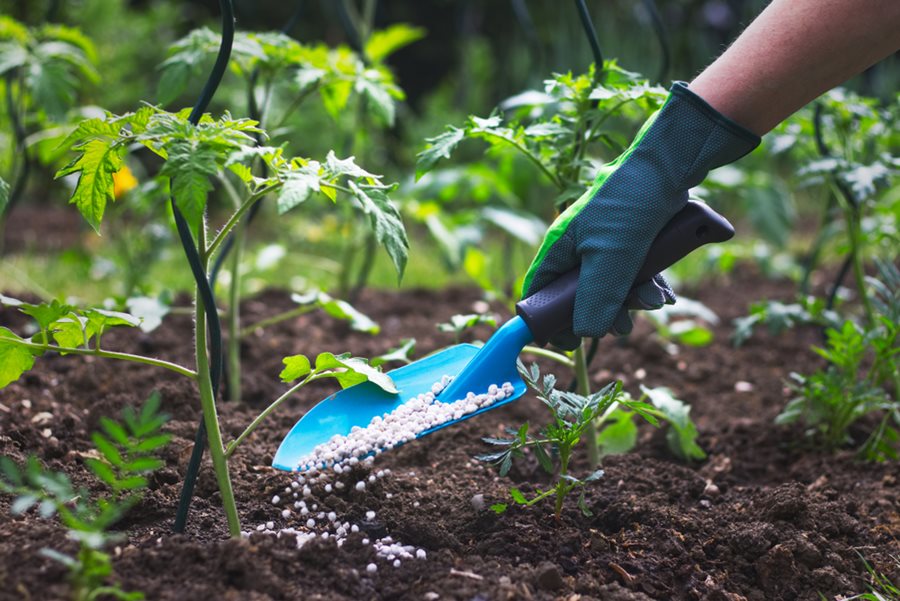
4. Combined with Fertilizers
Compatibilidad con fertilizantes orgánicos, convencionales y humicos, extracciones de algas marinas y amino
Why Policosanol Triacontanol Satisfies the Policosanol Triacontanol
- Plant- and Nature-Based
- Non-toxic & residue-free
- Results achieved using low dosages
- Eco-Friendly: Safe on soil organisms and beneficial insects.
- Applicable in eco-friendly & organic farming practices
It encourages productivity as well as environmental sustainability.
Conclusion: Policosanol (Triacontanol) Induces the Growth
Policosanol (Triacontanol) promotes the growth of stronger and healthier plants by enhancing photosynthesis, enhancing root and plant structure, facilitating the efficiency of nutrient uptake, and boosting the resistance of plants to environmental stresses. It does not promote growth but helps plants grow through natural biological processes, resulting in stronger plants and improved crop production. For farmers and plant growers looking for sustainable and cost-efficient solutions, Policosanol Triacontanol appears as a natural and tried method of cultivating stronger and healthier plant life.