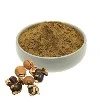
Rotenone, a natural compound derived from the roots of certain tropical plants, has been used for centuries to manage fish populations and conduct research in aquatic ecosystems. With its ability to selectively eliminate invasive or unwanted fish species while minimizing harm to other aquatic life, rotenone fish killer has become a valuable tool for fisheries management. In this informative blog post, we will explore the world of rotenone, rotenone application in aquatic environments, and its role as rotenone fish killer.

An Overview of Rotenone Fish Killer
The Origin and Discovery of Rotenone
The discovery and identification of rotenone fish killer properties marked a significant turning point in fisheries management. Rotenone became a valuable tool for controlling fish populations in lakes, rivers, and other aquatic ecosystems. Fisheries biologists and managers recognized its potential to selectively remove unwanted or invasive fish species while minimizing harm to other aquatic life.
Modern Rotenone Application in Fish Management
Invasive Species Control: One of the primary modern rotenone application is the control of invasive fish species. Invasive species, often introduced to non-native environments, can disrupt ecosystems by outcompeting native species, altering habitats, and spreading diseases. Rotenone is used to selectively target and eliminate invasive fish, helping restore the balance in ecosystems.
Eradication of Undesirable Species: In addition to invasive species, fisheries managers use rotenone fish to eradicate undesirable or overpopulated fish species. This can be necessary to prevent overgrazing of aquatic vegetation, reduce predation on native species, or mitigate the impact of non-native species on threatened or endangered species.
Restoration of Native Fish Populations: Rotenone fish killer is a valuable tool for restoring native fish populations that have been adversely affected by invasive or undesirable species. By eliminating the problematic fish, rotenone allows native species to thrive and recover, promoting biodiversity and ecological balance.
Rotenone Fish Disease Management: In cases where fish populations are threatened by diseases or parasites, rotenone fish killer can be used to mitigate the spread of pathogens. By removing infected fish, the disease's progression can be slowed or halted, protecting the remaining healthy individuals.
Research and Monitoring: Rotenone application is used in scientific research to study aquatic ecosystems, fish behavior, and population dynamics. Researchers can conduct controlled experiments and monitor the effects of rotenone on fish and other aquatic life, providing valuable insights into the ecology of freshwater systems.
Ecological Restoration: Beyond fish management, rotenone application is employed in broader ecological restoration efforts. It can be used to reset entire ecosystems affected by invasive species, helping native vegetation and aquatic life recover. This approach can lead to the restoration of a more balanced and resilient ecological community.
Fish Stocking and Population Assessments: Rotenone fish killer is also used to assess fish populations in specific water bodies. Before restocking a lake or river with desired fish species, fisheries managers may use rotenone to assess the existing fish populations, ensuring that the conditions are suitable for successful stocking.
Mitigating Algal Blooms: In some cases, rotenone fish can be used to mitigate harmful algal blooms in water bodies. Algal blooms can have detrimental effects on aquatic ecosystems and water quality. Rotenone application can reduce the fish populations responsible for controlling algal populations, allowing other natural mechanisms to regain balance.

How Rotenone Fish Killer Targets
1. Respiratory Disruption: Rotenone fish killer primarily acts on fish by disrupting their respiratory system. Fish, like other vertebrates, rely on oxygen to survive, and they extract dissolved oxygen from water using specialized respiratory structures called gills.
2. Inhibition of Cellular Respiration: Rotenone application interferes with a critical process in cellular respiration known as the electron transport chain (ETC). Cellular respiration is the process by which cells generate energy (in the form of adenosine triphosphate or ATP) by utilizing oxygen. The ETC is a series of protein complexes embedded in the inner mitochondrial membrane of cells.
3. Blockage of Electron Transport: Rotenone fish acts as an inhibitor of the ETC by binding to and blocking the function of Complex I (NADH dehydrogenase) within the chain. This blockage prevents the normal flow of electrons along the chain, disrupting the electron transport process.
4. Disruption of ATP Production: The disruption of the electron transport chain ultimately leads to a reduction in ATP production within the fish's cells. ATP is the primary energy currency in cells, and its reduction leads to a lack of energy.
5. Paralysis and Death: As a consequence of reduced ATP production, fish begin to experience muscle weakness, paralysis, and, ultimately, death. They become unable to swim or maintain their normal physiological functions.
6. Selective Impact on Fish: Rotenone fish killer's mode of action is selective to fish because it targets a process found in their gill cells. Other aquatic organisms, such as amphibians, reptiles, invertebrates, and even most microorganisms, do not have the same type of cellular respiration and are less affected by rotenone. This selectivity allows for the targeted removal of fish populations while minimizing harm to non-target species.
7. Rapid Breakdown: Rotenone application is naturally biodegradable and breaks down relatively quickly in aquatic environments. After its application, the effects on fish are temporary, and the compound dissipates, leaving the ecosystem to recover.
Conclusion:
Balancing the scales with rotenone in conclusion, rotenone fish killer remains a valuable tool for managing fish populations and restoring aquatic ecosystems, but it's responsible and ethical use is essential to ensure a harmonious balance between conservation and ecological concerns.
Why Choose HJHERB Biotechnology?
HJHERB Biotechnology offers a wide range of products that are of high quality and value to a variety of industries, including the agricultural industry. is imperative in creating the highest quality feed products for animals and even aquaculture and industrial cleaning products. All of the products at HJHERB are produced in a facility that is certified in the AFIA’s Safe Feed/Safe Food Certification Program. Contact us by email: info@hjagrifeed.com