In organic agriculture and farming, there is increasing interest in the use of natural substances that can boost crop yields while maintaining the use of destructive chemicals to an absolute minimum. One such natural substance in high demand is tea saponin liquid, a botanical pesticide compound from tea seed plant seeds (Camellia sinensis or Camellia oleifera).
This all-purpose material is a natural insecticide and soil conditioner, hence a treat for environmentally friendly gardeners, farmers, and landscapers. But precisely how does tea saponin liquid stop insects from ruining plants? And why would you want to use it in the first place instead of chemical-based pesticides? Let's find out.

What Is Tea Saponin Liquid?
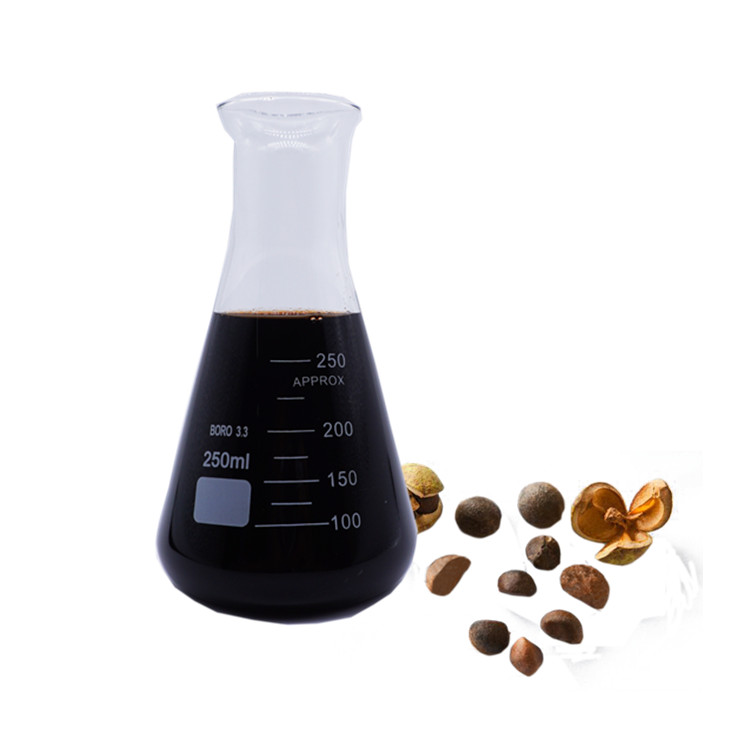
Tea saponin is a glycoside natural occurrence compound found in tea seeds. It possesses a soap molecular structure and hence, it can dissolve in water to create foam.
The liquid product is obtained through concentrating and extracting tea seed meal saponin into a solution that is aqueous-soluble. It is easier to use to spray as a foliar spray, drench as a soil drench, or drip as an irrigation supplement.
Tea saponin possesses three distinctive characteristics that render it efficient as a pest control agent:
- Surface-active properties – Destabilizes cuticles and respiration membranes of pests.
- Bitter taste – Repels herbivorous insects and some animals.
- Natural toxicity against some pests – Injures soft-bodied insects, nematodes, and even unwanted aquatic pests such as snails.
How Tea Saponin Liquid Works as a Pest Repellent
Tea saponin liquid provides several pest control mechanisms without the use of synthetic chemicals:
1. Disruption of Pest Membranes
Surface-activity of saponin molecules is initiated against the waxy cuticles of mites and insects. This shatters their protective cover, leading to dehydrating and killing. This type of action is especially effective against soft-bodied insects such as aphids, whiteflies, and mites.
2. Against Pest Digestive Systems
When insects feed on treated plant material, the tea saponin acts on the lining of their gut, interfering with nutrient digestion and absorption. This can reduce pest populations in the long term.
3. Feeding Deterrent
Tea saponin is bitter in taste and will discourage herbivores from feeding on plants treated with it. This is useful for seedlings and shoots to avoid insect damage.
4. Disrupting Pest Reproduction
Other research indicates that saponin compounds may disrupt pest hormone communications and inhibit egg-laying and hatching of eggs in some populations of pests.
- Pests managed with Tea Saponin Liquid
- Tea saponin liquid is likely to manage:
- Aphids – Vegetative and flower-pollinating soda-sucking pests.
- Whiteflies – Serious greenhouse and field crops pests.
- Spider mites – Tiny arachnids that are leaf- and flower-killers.
- Leafhoppers – Disease-transmitting pests that stunt plants.
- Nematodes – Microscopic worms that destroy plant roots.
- Snails and slugs – Leafy greens and seedlings are destroyed by them.
Its broad-spectrum activity makes it a valuable option in integrated pest management (IPM) systems.

Advantages Over Synthetic Pesticides
Switching to tea saponin liquid has several significant advantages:
1. Environmentally Friendly
In contrast to synthetic pesticides, tea saponin degrades naturally in the environment without residues that are toxic.
2. Safe for Humans and Animals
When applied appropriately, tea saponin is harmless to man, animals, and useful wildlife. Nevertheless, it remains harmful to fish and aquatic life, and hence caution should be observed near water bodies and ponds.
3. Compatable with Organic Agriculture
Tea saponin is an extract of vegetable matter that is eligible to be certified organic for use in organic farming, provided by local certification procedures.
4. No Buildup of Pest Resistance
Synthetic insecticides are likely to induce resistant pest populations. Tea saponin's multi-mode of action reduces resistance risk.

Application of Tea Saponin Liquid for Pest Control
Effective tea saponin liquid is made by proper application.
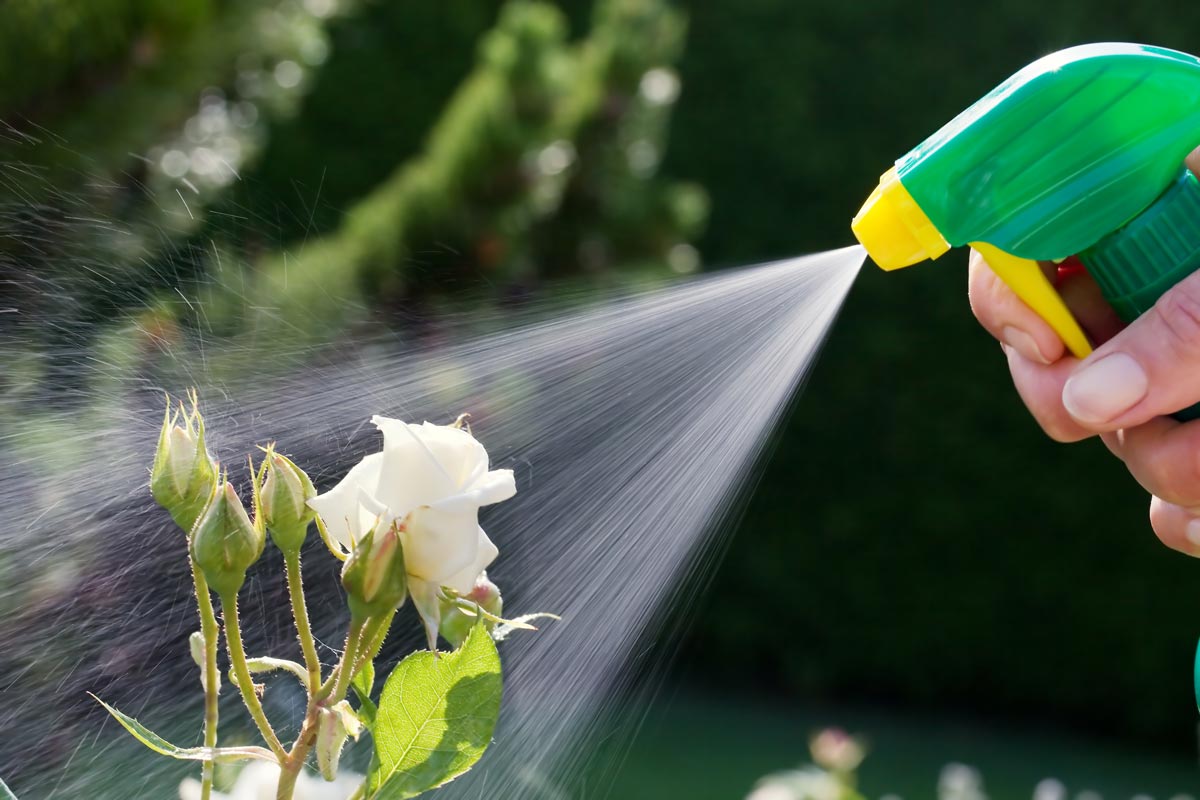
1. As Foliar Spray
Dilute to manufacturer's recommendation (typically 0.5–2% strength).
Spray on leaf surfaces to provide thorough coverage.
Apply in cooler parts of the day to prevent leaf burn.
2. As Soil Drench
Applied to control soil pests such as nematodes.
Use in root zone to enable the compound to anchor into soil.
3. Irrigation Additive
Can be used in irrigation water for uniform distribution.
Use in greenhouse and hydroponic systems (check with plant type as to whether compatible).

Tea Saponin Liquid Precautions When Using
- Do not apply in excess – High levels can cause phytotoxicity in susceptible plants.
- Avoid near fish ponds – Saponin is toxic to fish and other aquatic invertebrates.
- Glove up – While of low human toxicity, it might cause mild irritation to skin or eyes.
- Test first before widespread use – Test on small portions of plants first.

How Tea Saponin Finds a Niche in Sustainable Agriculture
Tea saponin liquid is not just a bug killer-it's an organic agriculture aid. By substituting or minimizing chemical pesticides, growers and farmers can:
- Conservation of beneficial insects like pollinators and beneficial beetles.
- Decrease chemical residues on soil and crops.
- Enhance the health of the soil by not using toxic chemicals that destroy useful microbes.
This flexibility also allows it to be used together with other organic pest control methods, like Neem oil, useful insects, and crop rotation.

Scientific Evidence of Tea Saponin's Pest Control Effect
Zhao et al. (2014) verified that tea saponin suppressed the infestation of plant-parasitic nematodes in treated soil to a significant degree.
Wang et al. (2017) documented that saponin treatments inhibited the survival rate of aphids by damaging their cuticular structure.
Liu et al. (2019) found high molluscicidal activity of tea saponin against aquatic snails, something which implies its potential against some garden pests.
Xu et al. (2021) established that tea saponin is an insecticide and an antimicrobial agent, hence a double-duty plant protection chemical.
Conclusion
Tea saponin liquid is a highly active, plant-derived pest control liquid with a synergistic mode of action including membrane disruption, feeding deterrence, and interference with reproduction that can naturally defend plants and promote sustainable agriculture.
By incorporating tea saponin into your pest control system, you are able to minimize dependence on toxic chemicals, save beneficial organisms, and produce healthier crops.
References
Zhao, L., Huang, J., & Ye, Z. (2014). Nematicidal activity of tea saponin against Meloidogyne incognita. Crop Protection, 60, 1–6. https://doi.org/10.1016/j.cropro.2014.02.015
Wang, Q., Li, H., & Zhang, Y. (2017). Effects of saponins on aphid mortality and feeding behavior. Journal of Pest Science, 90(3), 847–856. https://doi.org/10.1007/s10340-016-0793-1
Liu, R., Xu, X., & Li, P. (2019). Molluscicidal activity of tea saponin against freshwater snails. Environmental Science and Pollution Research, 26, 18062–18069. https://doi.org/10.1007/s11356-019-05117-3
Xu, J., Zhang, W., & Chen, H. (2021). Multifunctional properties of tea saponin in plant protection. Applied Sciences, 11(8), 3521. https://doi.org/10.3390/app11083521