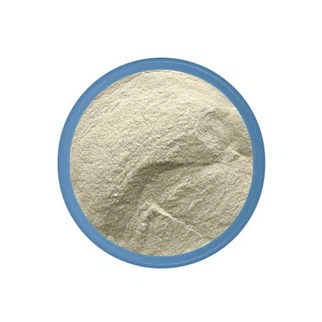
Tea saponin powder is a natural plant-derived ingredient mainly obtained from tea seeds, especially Camellia oleifera. Traditionally recognized for its surfactant and biological properties, tea saponin is increasingly being explored for agricultural applications, including fertilizer formulations, soil management, and crop production.
As agriculture moves toward more sustainable inputs, natural compounds that can improve the performance of agricultural formulations are attracting attention. Tea saponin powder is particularly interesting because its surface-active properties can influence the interaction between water, soil particles, nutrients, and other agricultural ingredients.
What Is Tea Saponin Powder?
Tea saponin powder is a concentrated powdered extract containing saponins derived primarily from tea seed materials. Tea saponins are naturally occurring triterpenoid compounds with both hydrophilic and hydrophobic portions, giving them natural surfactant properties.
Tea seed meal, a by-product of tea seed oil production, is one of the major raw materials used to obtain tea saponins. Recovering saponins from this material provides an additional use for an agricultural by-product while producing a functional botanical ingredient.
The exact characteristics of commercial tea saponin powder depend on the raw material, extraction process, purification level, and standardized saponin content.

How Can Tea Saponin Support Fertilizer Applications?
Tea saponin is not a conventional fertilizer because it does not primarily provide nitrogen, phosphorus, or potassium. Instead, its potential value in fertilizer products comes from its functional properties.
It can be incorporated into certain agricultural formulations as a natural surfactant or functional additive. Its ability to interact with water and hydrophobic substances can help improve the behavior of some formulations.
Potential agricultural uses include:
- Fertilizer formulation
- Soil-conditioning products
- Agricultural wetting agents
- Nutrient-delivery systems
- Soil remediation formulations
- Botanical agricultural products
- Fertilizer and pesticide adjuvant research
The specific benefit depends on the formulation and application rate.
1. Natural Surfactant for Agricultural Formulations
One of the most important properties of tea saponin is its surface activity.
Tea saponins have been described in scientific literature as natural non-ionic surfactants. Their chemical structure allows them to interact with both water and less-polar substances.
In fertilizer formulations, this property may help improve wetting and dispersion. This can be useful when agricultural products need to spread more effectively across soil or plant surfaces.
For fertilizer manufacturers, tea saponin can therefore be considered as a natural functional ingredient rather than as a primary nutrient source.
May Improve Soil Wetting
Water movement and distribution are important factors in crop production.
Some soils, particularly soils with poor wetting characteristics or hydrophobic organic components, may not absorb water evenly. A natural surfactant such as tea saponin may help modify the interaction between water and soil particles.
Improved wetting can potentially help water distribute more evenly through the treated soil. However, actual performance depends on soil texture, organic matter, moisture level, climate, and application rate.
Supports Nutrient Dispersion
Uniform nutrient distribution is an important part of fertilizer efficiency.
Because tea saponin has surface-active properties, it may help improve the dispersion of certain fertilizer components in water-based formulations. This can be useful when developing liquid fertilizers, soluble agricultural products, or combination formulations.
Tea saponin should not be considered a replacement for essential plant nutrients. Instead, it can potentially function as a supporting ingredient designed to improve formulation characteristics.
Potential Role in Soil Remediation
One of the more extensively researched agricultural applications of tea saponins is soil remediation.
Research has investigated tea saponins as natural surfactants for improving the removal or mobilization of heavy metals in contaminated soils. Their surface activity can influence the interaction between contaminants and soil particles.
A review published in RSC Advances reported that tea saponins have been investigated for soil remediation because of their ability to promote the desorption of heavy metals from soil.
This application is particularly relevant to environmental agriculture and contaminated-soil management, although field use requires site-specific testing and regulatory assessment.
May Influence Soil Microbial Environment
Soil contains complex communities of bacteria, fungi, and other microorganisms that contribute to nutrient cycling and organic-matter decomposition.
Tea saponins have demonstrated antimicrobial and biological activity in laboratory research. This means that they can interact with microorganisms, but it also means that their effects should not automatically be described as universally beneficial to soil microbes.
At appropriate concentrations and in specific formulations, tea saponin may be investigated as part of integrated agricultural systems. However, the effect on beneficial soil microorganisms depends on concentration, soil conditions, microbial species, and exposure time.
Potential Support for Crop Production
Tea saponin itself is not a complete plant fertilizer. Nevertheless, its functional properties may make it useful in fertilizer systems designed to improve the physical performance of agricultural inputs.
Potential benefits may include:
Better wetting of soil
Improved dispersion of formulation components
Support for uniform application
Potential enhancement of nutrient-contact efficiency
Compatibility with certain botanical agricultural formulations
Potential use in soil remediation systems
These benefits should be evaluated through crop- and soil-specific trials rather than assumed for every agricultural application.
Tea Saponin Powder in Organic and Sustainable Agriculture
The natural origin of tea saponin makes it interesting to manufacturers developing plant-based agricultural products.
Tea saponin is obtained from renewable plant material, and tea seed meal can serve as a source material for extraction. This provides an opportunity to add value to residues generated during tea seed oil production.
However, whether a specific tea saponin product can be used in certified organic agriculture depends on the regulations and certification standards applicable to the target market. Natural origin alone does not automatically mean that a product is certified organic.
Tea Saponin Powder vs. Conventional Surfactants
Tea saponin has several characteristics that make it attractive for agricultural research and formulation.
| Feature | Tea Saponin Powder | Conventional Synthetic Surfactant |
|---|---|---|
| Origin | Plant-derived | Often chemically synthesized |
| Main function | Natural surfactant and bioactive ingredient | Wetting, emulsifying, dispersing |
| Source | Tea seed/Camellia materials | Various chemical feedstocks |
| Agricultural potential | Fertilizer, soil, botanical formulations | Fertilizer and pesticide formulations |
| Biodegradability | Depends on composition and conditions | Depends on chemical structure |
| Standardization | Based on saponin content and specifications | Based on chemical identity and purity |
The most appropriate ingredient depends on the formulation objective, performance requirements, regulatory conditions, and cost.

How to Use Tea Saponin Powder in Fertilizer
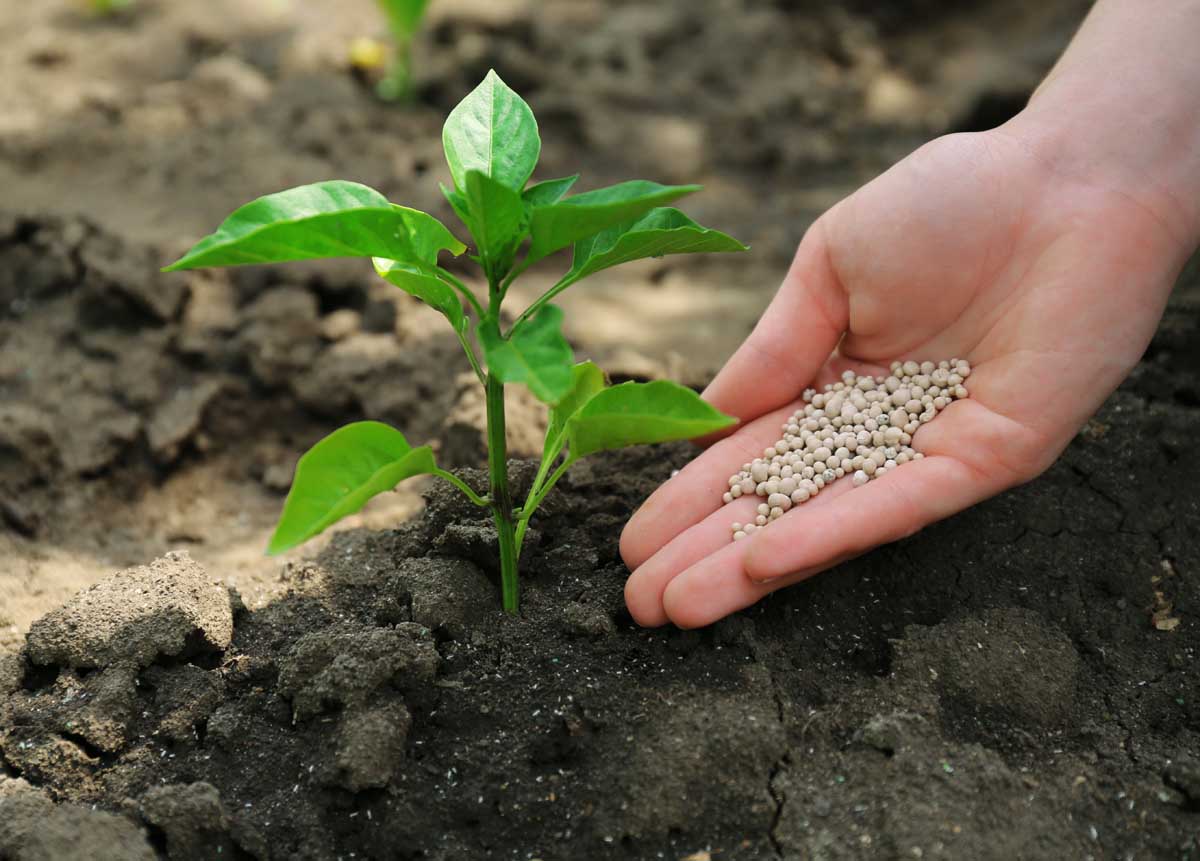
There is no universal application rate for tea saponin powder in fertilizer because the appropriate amount depends on the concentration of active saponins, fertilizer type, soil conditions, crop species, and intended function.
Before commercial use, manufacturers should conduct formulation and application trials to determine:
- The required saponin concentration.
- Compatibility with fertilizer nutrients.
- Water solubility and dispersion.
- Soil response.
- Crop tolerance.
- Application frequency.
- Potential effects on beneficial soil microorganisms.
For commercial agricultural products, the recommended dosage should be established through appropriate technical testing rather than copied from an unrelated tea saponin application.
Choosing High-Quality Tea Saponin Powder
For fertilizer manufacturers and agricultural-product companies, product quality is important.
Saponin Content
The active saponin concentration is one of the most important specifications. A standardized product makes formulation and quality control easier.
Solubility
Good water dispersibility or solubility can be important for liquid fertilizer and irrigation-based applications.
Moisture Content
Low and controlled moisture can improve storage stability and reduce caking during transportation and storage.
Raw Material
Tea saponin derived from properly processed Camellia seed materials provides a consistent botanical source.
Certificate of Analysis
Bulk buyers should request a Certificate of Analysis showing saponin content and other relevant quality parameters.

Important Considerations
Tea saponin is biologically active, so application should be carefully controlled.
Higher concentrations are not necessarily better. Excessive application can affect plants, microorganisms, and aquatic organisms. Scientific research has demonstrated that tea saponin can have concentration-dependent effects in agricultural and environmental applications.
When used in fertilizer products, it is important to evaluate the complete formulation rather than considering tea saponin separately. Compatibility with nutrients, soil pH, irrigation water, crop species, and other additives can affect performance.
Manufacturers should also verify local fertilizer regulations and ensure that claims made on product labels are supported by appropriate testing.

Frequently Asked Questions
Is tea saponin powder a fertilizer?
Tea saponin powder is not a primary fertilizer because it does not supply significant amounts of NPK. It is better described as a botanical functional ingredient that can be incorporated into certain fertilizer and agricultural formulations.
Can tea saponin improve soil?
Tea saponin has potential applications in soil management because of its natural surfactant properties. Research has particularly investigated its use in soil remediation and heavy-metal desorption.
Can tea saponin be used with fertilizer?
Tea saponin can potentially be incorporated into certain fertilizer formulations, but compatibility and application rates should be determined through formulation testing.
Is tea saponin suitable for crops?
Tea saponin may be used in agricultural formulations, but crop tolerance depends on concentration, application method, crop species, and environmental conditions.
Is tea saponin organic?
Tea saponin is plant-derived, but a product being natural or plant-derived does not automatically make it certified for organic agriculture. Certification depends on the applicable organic standard and the specific manufacturing process.
Conclusion
Tea Saponin Powder is a natural, plant-derived ingredient with promising applications in modern agriculture. Rather than serving as a direct source of NPK nutrients, its value comes primarily from its natural surfactant and biological properties.
For fertilizer manufacturers, tea saponin may be useful as a functional additive in formulations designed to improve wetting, dispersion, and nutrient-delivery characteristics. Research has also explored its role in soil remediation, particularly in helping mobilize heavy metals from contaminated soils.
As interest in sustainable agricultural inputs continues to grow, tea saponin offers an interesting botanical option for fertilizer, soil-management, and agricultural-formulation development. With proper product standardization, dosage testing, and regulatory compliance, tea saponin powder can be incorporated into specialized agricultural products designed for different soil and crop-management needs.
References
Yu, X.-L., & He, Y. (2018). Tea saponins: effective natural surfactants beneficial for soil remediation, from preparation to application. RSC Advances, 8, 24312–24321.
Zhang, J., et al. (2025). Advances in Camellia oleifera seed meal saponins: Extraction, analysis, bioactivity, and application. Food Chemistry, 492, 145277.