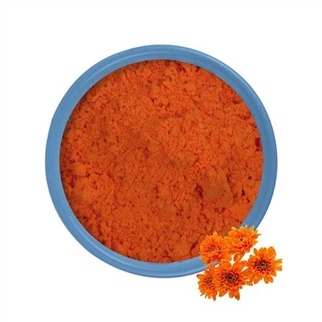
Tea seed meal, a by-product of tea seed oil production, is becoming more sought after as an environmental-friendly agricultural input. Tea seed meal contains saponins, protein, and healthful nutrients in abundance and can therefore act as a multi-purpose soil conditioner and natural pest control. Tea seed meal is favorite among farmers and gardeners because it improves soil structure, adds nutrient availability, and promotes beneficial plant growth-all without the application of a great many chemical chemicals.
In this article, we'll explore what tea seed meal is, its nutrient profile, and the many ways it can support soil health and plant growth, backed by scientific insights.
What Is Tea Seed Meal?
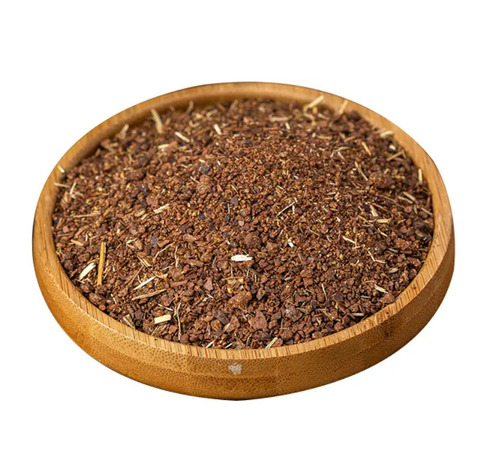
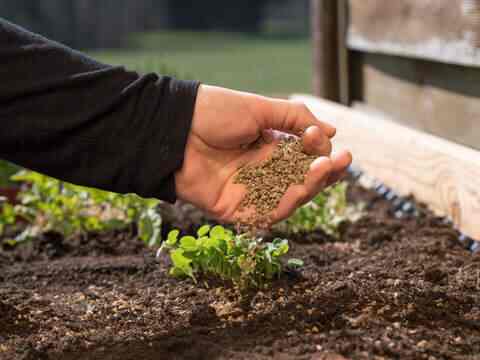
Tea seed meal is derived from the seeds of Camellia oleifera, Camellia sinensis, or Camellia japonica. After extracting tea seed oil, the remaining cake is ground into a fine powder or granules. This plant-based byproduct contains:
- Tea saponins – natural fungicidal and pesticidal surfactants.
- Organic matter – improves soil fertility and structure.
- Proteins and amino acids – stimulate microbial activity.
- Minerals – potassium, phosphorus, calcium, magnesium.
Its unique combination of nutrients and bioactive compounds qualifies it to be a dual-purpose farm input: soil conditioner as well as pest controller.
Major Benefits of Tea Seed Meal for Soil Health
1. Improves soil structure
Tea seed meal has high organic content, which increases the porosity and aeration of the soil. This promotes deeper root growth, increases water penetration, and prevents compaction of the soil. Aeration of the soil allows the plants to utilize oxygen and nutrients better.
On clay soil, the tea seed meal increases the width of the texture, and on sandy soil, increases the water-holding capacity. In the long term, this means a more equilibrial and stable soil structure.
2. Spurs Microbial Activity
Soil microbes have a critical function of disease suppression, nutrient cycling, and soil health. Tea seed meal carbohydrates and proteins act as energy resources to useful microbes that breed and are diversified.
With heightened microbial activity, organic matter is forced to decompose with additional nutrients for the plant. Greater stimulation of the microbes also improves symbiotic relationships like mycorrhizal fungi that improve nutrient uptake by plants.
3. Supplies Essential Nutrients
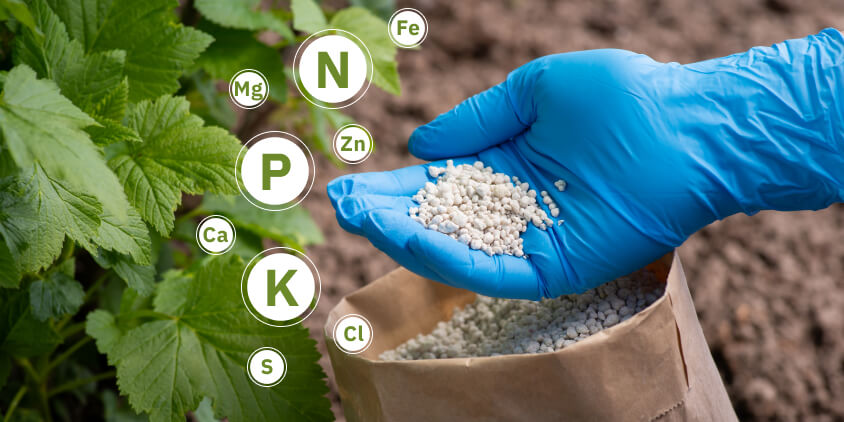
Tea seed meal contains an equal set of macro and micronutrients. Although some content changes with origin, it will probably include:
- Nitrogen (N) – for stem and leaf growth.
- Phosphorus (P) – stimulates root growth and flowering.
- Potassium (K) – stimulates disease resistance and fruit quality.
- Calcium and Magnesium – stimulates cell wall stability and chlorophyll synthesis.
Compared to chemical fertilizers, tea seed meal nutrients are released slowly, reducing the likelihood of leaching and persisting longer.
4. Eliminates Soil-Borne Pests and Pathogens
Tea saponin, one of the most valuable tea seed meal constituents, is a natural fungicide and pesticide. Tea saponins disrupt the cell membranes of certain pests and pathogens to prevent infestation without harming plants.
It is particularly effective against:
- Root-knot nematodes (Meloidogyne spp.)
- Fungi causing damping-off disease in soil
- Snails and slugs
Tea seed meal, by controlling naturally these pests, reduces chemical pesticide use, allowing healthier and sustainable agriculture.
Why Tea Seed Meal Promotes Plant Growth
1. Promotes Healthy Root Development
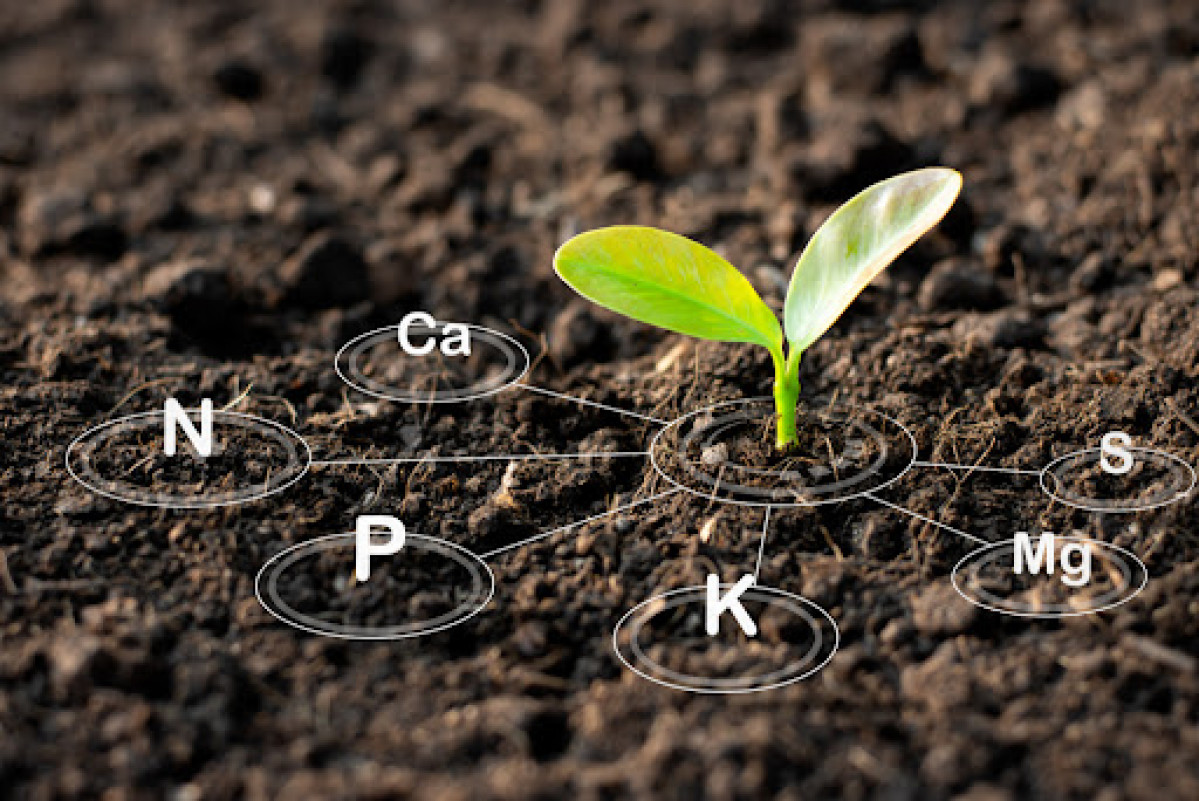
Phosphorus in tea seed meal is responsible for root development, especially in young seedlings and plants. Healthy roots equate to better water and nutrient absorption, healthy and strong plants.
2. Promotes Good Vegetative Growth
Through its provision of nitrogen, tea seed meal promotes green and healthy growth of leaves. Nitrogen is an important component of chlorophyll, a pigment responsible for photosynthesis that drives plant growth.
3. Improves Flowering and Fruit Quality
Potassium in tea seed meal improves flowering and fruit quality. Potassium plays a role in sugar transport, distributing energy generated during photosynthesis to reproductive tissues.
4. Improves Plant Immunity
Vegetables grown in tea seed meal-fertilized soil show improved resistance to disease and environmental stress. This is due to both the direct antimicrobial effect of tea saponins and the indirect benefit of increased soil health and nutrient availability.

Modes of Application of Tea Seed Meal
Tea seed meal can be applied in diverse modes depending on your farming or horticulture needs:
- Soil Amendment Before Sowing – Mix tea seed meal in topsoil at 500–1,000 kg/ha (or approximately 1–2 kg per 10 m²) before sowing seeds or seedlings.
- Top Dressing – Apply around base of plants during growing season to provide plants with an extra dose of nutrients and deter pests.
- Compost Activator – Apply tea seed meal in compost to activate microbials and speed up decomposition.
- Pest Management Use – To repel nematodes, incorporate tea seed meal into soil 2–3 weeks before planting.

Precautions in the Use of Tea Seed Meal
Though tea seed meal is nontoxic, follow these precautions:
- Avoid Overuse – Avoid overuse because it can temporarily suppress soil organisms.
- Water Well After Applying – This will induce the saponins and nutrients.
- Be Aquatic Life Nontoxic – Tea saponin is toxic to aquatic life, so avoid water runoff into waterways or ponds.
Scientific Basis for Use of Tea Seed Meal in Agriculture
Tea seed meal has been proven in numerous studies to be useful in plant health and soil:
- Soil Enhancement: An academic paper in Soil Science and Plant Nutrition confirmed that tea seed meal enhanced microbial abundance and soil organic matter, leading to increased crop yields.
- Pest Suppression: A scientific article in Journal of Nematology found that the population of root-knot nematodes in vegetable crops was suppressed by a great extent by tea seed meal.
- Nutrient Supply: in Agricultural Sciences of China published a study that proved that tea seed meal released slow phosphorus and nitrogen, boosting soil fertility in the long term.

Conclusion
Tea seed meal isn't just a farm byproduct-it's a triple-duty, eco-friendly input that can build soil structure, supply required nutrients, stimulate good microbes, and control pests naturally. As a commercial grower or home garden gardener, incorporating tea seed meal in your soil care routine can lead to better soil health, better plants, and better yields-without the risks of chemical residues.
With consumers growing ever more interested in ecologically friendly and organic farm products, tea seed meal is a natural, cost-effective, and sustainable way to stimulate plant growth and enrich soil.
References
Liu, J., Li, Y., & Wang, X. (2017). Effect of tea seed meal application on soil properties and crop yield. Soil Science and Plant Nutrition, 63(4), 417–424. https://doi.org/10.1080/00380768.2017.1342545
Zhang, M., Chen, Y., & Li, Z. (2016). Tea seed meal as an organic amendment for root-knot nematode management in vegetables. Journal of Nematology, 48(3), 210–217. https://doi.org/10.21307/jofnem-2016-049
Chen, L., Xu, P., & Zhao, Q. (2015). Nutrient release characteristics of tea seed meal and its effects on soil fertility. Agricultural Sciences in China, 14(6), 998–1007. https://doi.org/10.1016/S1671-2927(15)61093-2