Aquaculture is the fastest expanding food production sector globally, and proper fish health is necessary to provide high yield, sustainability, and profitability. Among many nutrients that are essential for fish, inositol-a molecule that is analogous in function to vitamins and is commonly seen as a B-vitamin compound-is essential for metabolic, growth functions, and cell function. In its pure powdered form, it is an economical and concentrated way through which fish farmers are able to achieve dietary requirements in formulated feeds.
Here in this article, we will describe what inositol is, why it's so vital to aquaculture animals, advantages of supplementation with pure bulk inositol powder, recommended doses, and safety guidelines-based on scientific evidence.

What Is Inositol?
Inositol is a naturally occurring carbohydrate molecule and also referred to as vitamin B8, although it is not officially a vitamin since fish and other animals have the ability to synthesize small amounts of it themselves. It plays a critical structural molecule within cell membranes as phosphatidylinositol and is involved in a number of metabolic and signaling pathways.
Inositol is a conditionally essential nutrient for fish in that while it can be synthesized endogenously, supplemental supplementation is generally needed to obtain the best possible health, especially in higher density aquaculture systems where nutritional levels are highest.
The Role of Inositol in Fish Physiology
Inositol is involved in some biological processes that are vital to fish growth and upkeep:
- Lipid Metabolism and Fat Transport
Inositol is essential in the prevention of fatty liver syndrome through the facilitation of fat transport and utilization. It also maintains control over lipid metabolism in a way that fats are metabolized and utilized as a source of energy instead of being stored in the liver.
- Cell Signaling and Nerve Function
By acting as a precursor to secondary messengers such as inositol triphosphate (IP3), inositol controls the majority of cellular processes, such as nerve impulse transmission and hormone control.
- Protein and DNA Synthesis
Inositol has been shown to be implicated in growth processes that aid protein synthesis and cell division, which are vital in fish growth.
- Stress Resistance
Fish in aquaculture are normally stressed when handled, transported, and subjected to water quality changes. Inositol helps in stress resistance through maintaining cell membrane stability and stress hormone modulation.
inositol powder benefits
Inositol powder is a naturally occurring compound often called vitamin B8, known for supporting metabolism, brain function, and cell health. In animal nutrition, it offers several key benefits:
- Supports brain and nerve health – Helps regulate mood and stress responses by aiding neurotransmitter function.
- Improves growth and feed efficiency – Enhances nutrient absorption and metabolism for better weight gain and performance.
- Promotes liver health – Prevents fat accumulation and supports healthy fat metabolism.
- Enhances reproductive performance – Improves fertility, egg quality, and hormone balance.
- Boosts cellular and immune health – Acts as an antioxidant, protecting cells from oxidative stress.
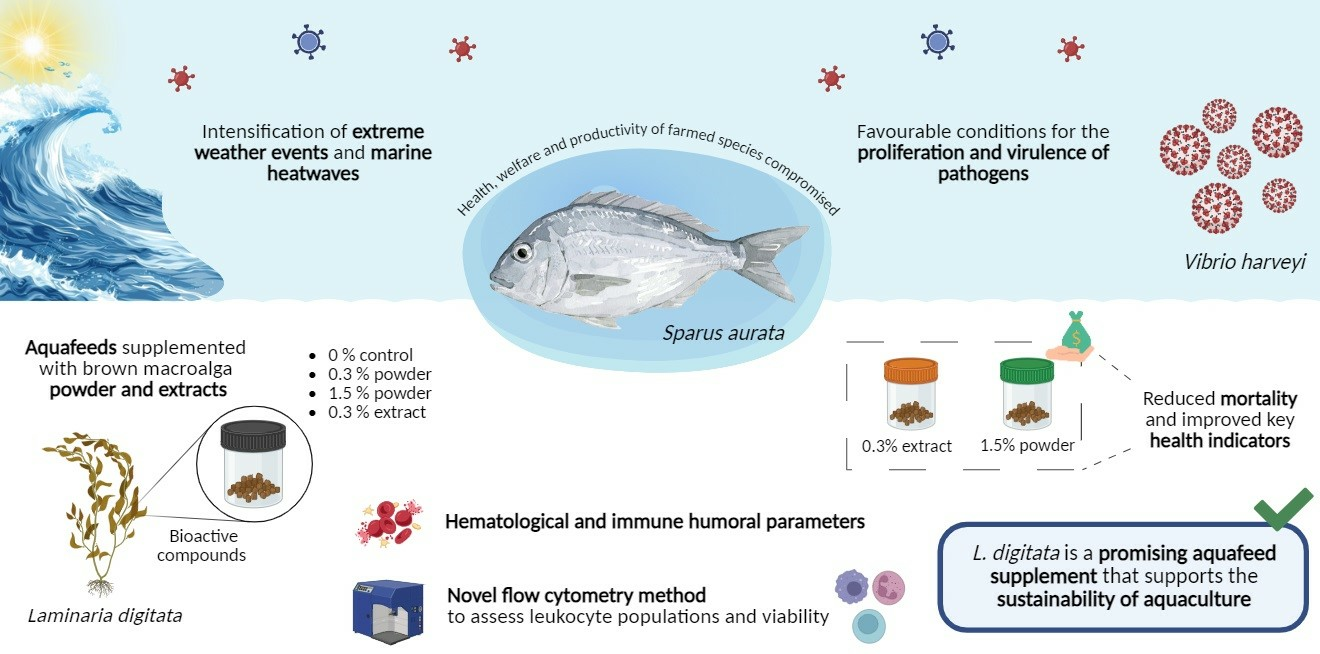
Why Use Pure Bulk Inositol Powder as an Aquaculture Supplement?
1. Prevention of Inositol Deficiency
Fish are not always able to get enough inositol from plant- and grain-derived feed ingredients because there are losses during processing when feed is extruded and stored. Deficiency may result in:
- Poor growth rates
- Fatty liver degeneration
- Skin lesions
- Poor survival rate
Pure bulk inositol powder ensures fish have enough regardless of the formulation problems in feeds.
2. Growth Performance Improved
Research has indicated that the supplementation of inositol enhances feed conversion ratio (FCR) and body weight gain of various aquaculture species. These are:
- Carp and tilapia supplemented with diet of sufficient inositol content had higher body weight gain than the groups of deficiency.
- Shrimp and sea fish had increased molting rate and shell hardness upon supplementation of inositol in feed.
3. Improved Liver Health
The best-documented advantage of inositol is that it can inhibit hepatic steatosis (fatty liver disease) in fish. Fatty liver not only impacts growth performance but also decreased general health and reproductive ability.
4. Reproductive Health Support
Inositol forms a component of the phospholipid in the sperm and egg cells. Inositol supplementation in broodstock feed has been associated with:
- Increased fertilization rate of the eggs
- Enhanced larval survival
- Enhanced sperm motility
5. Stress and Immunity Support
Inositol reinforces cell membranes, which protects the fish from infection and tolerance to stress conditions like abrupt changes in temperature, crowding, and oxygen deficiency.

Dosage Recommendation of Pure Bulk Inositol Powder for Fish
The ideal inositol requirement varies with species, stage of life, and environmental conditions. Typical dosage schedules for aquaculture fish are:
| Species | Dosage (mg/kg feed) | Benefits Observed |
|---|---|---|
| Tilapia | 300–600 | Improved growth, FCR, and survival |
| Carp | 400–800 | Reduced fatty liver, better weight gain |
| Catfish | 300–500 | Higher feed efficiency |
| Shrimp/Prawns | 400–700 | Enhanced molting and shell quality |
| Marine fish (e.g., seabass) | 500–900 | Improved reproductive performance |
Note: Above rates are on dry weight of feed. Correction is needed with respect to water temperature, feed formulation, and fish health status.
Use in Aquaculture Feed
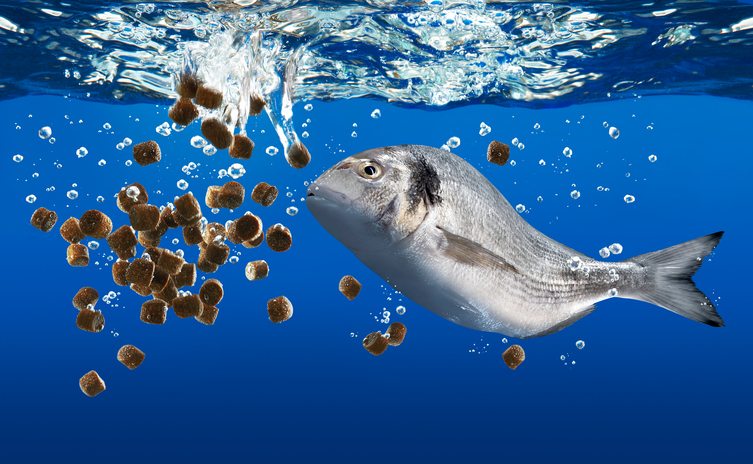
Pure inositol powder in bulk can be used for supplementation in:
- Commercial pelleted feeds at production level
- On-farm recipe feed as a premix
- Larvae and fry diet where growth and survival are most sensitive to nutritional status
Inositol is stable at heat to a limited degree, but high temperature of extrusion can cause degradation, and processing with caution is advisable.

Safety and Toxicity Considerations
Inositol is GRAS safe to use in aquaculture. It is not harmful in over-supplementation since excess is removed by urinating. Needless excessive supplementation, though, boosts feed cost without extra benefits.
Aquaculture nutrition specialists and species-specific rules must be adhered to and consulted before mass supplementation.

Pure Bulk Inositol Powder Use Economic Advantages
- Reduced Mortality Rates – Loss avoidance of deficiency saves losses during vital growth stages.
- Improved Feed Efficiency – Improved FCR means reduced feed expenses per kilogram of harvested fish.
- Improved Product Quality – Healthier fish attract better market prices and lower rejection percentages.
- Long-Term Sustainability – Allowing for improved fish health minimizes the application of medical treatments.
Conclusion
Bulk inositol powder is a premium aquaculture feed additive essential for fish growth, liver function, reproduction, stress tolerance, and immune response. Inositol supplementation to prevent deficiency and maintain all these vital physiological processes can result in healthier, more rapidly growing fish and improved profitability of the farm.
In aquaculture today, where sustainability and efficiency are prime issues, this nutrient cannot be overlooked when it comes to feed formulation.
References
Shiau, S. Y., & Su, S. L. (2005). The dietary requirement of juvenile tilapia, Oreochromis niloticus × O. aureus, for myo-inositol. Aquaculture, 243(1–4), 273–277. https://doi.org/10.1016/j.aquaculture.2004.10.019
NRC (National Research Council). (2011). Nutrient Requirements of Fish and Shrimp. National Academies Press. https://doi.org/10.17226/13039
Li, M. H., Oberle, D. F., & Robinson, E. H. (1994). Effects of dietary myo-inositol on channel catfish (Ictalurus punctatus) fed practical diets. Aquaculture, 125(1–2), 155–161. https://doi.org/10.1016/0044-8486(94)90289-5
Tantikitti, C., Chimsung, N., & Boonyaratpalin, M. (2005). Dietary requirement of myo-inositol in juvenile Asian seabass (Lates calcarifer). Aquaculture, 243(1–4), 279–287. https://doi.org/10.1016/j.aquaculture.2004.10.020
Santiago, C. B., & Lovell, R. T. (1988). Amino acid and vitamin requirements for Nile tilapia growth. Journal of the World Aquaculture Society, 19(3), 125–130. https://doi.org/10.1111/j.1749-7345.1988.tb00926.x