


Extract of tea seeds obtained from its residue is known as tea saponin and is gaining attention in aquaculture owing to its multiple benefits. Tea saponin is known for its surfactant property, and it is used as a natural substitute for synthetic chemicals in the fish and shrimp farms. It is used for controlling invasive fishes, maintaining water quality, and improving the overall health of aquatic organisms. Tea Saponin: Benefits, Applications & How to Use in Aquaculture
What is Tea Saponin?
Tea saponin is a natural glycoside extracted from tea seed meal from the seeds of the plant Cammelia. It has good foaming, emulsifying properties and is used in different industries, such as aquaculture. The compound is bioflocculating, arena- and environment-friendly, making it an ideal candidate for sustainable aquaculture activity.

Tea Saponin has various benefits in aquaculture
1.Natural Pest Control
The primary application of tea saponin in aquaculture for this purpose is unwanted fish removal. This compound eliminates harmful and predatory fish through ponds without harming target species like shrimp and prawns. An improvement in the survival rate of aquaculture animals.
2.Enhances Water Quality
Tea saponin significantly reduces ammonia levels in aquaculture ponds by suppressing harmful bacteria that produce ammonia. It also raises oxygen levels which means a healthy aquatic environment and less chance of the fish dying from poor water quality.
3.Encourages Growth of Fish and Shrimp
Tea saponin reduces competition for food and space for farmed species by killing unwanted fish species. That results in improving feed utilization and higher growth rates in shrimp, prawns, and other cultured aquatic species.
4.Reduces Disease Incidence
Tea saponin possesses natural antimicrobial activity, which suppresses harmful pathogens like bacteria and fungi responsible for diseases in aquaculture. This lessens the dependence on antibiotics, contributing to sustainable and eco-friendly aquaculture methods.
5.Biodegradable and Eco-friendly
This biodegradable property of tea saponin does not harm the environment like synthetic chemicals used in aquaculture do. It is biodegradable, so it breaks down in water and is less harmful for the flora and fauna of aquatic ecosystems.

Tea saponin in aquaculture application
1.Pre-Stocking Pond Preparation
Tea saponin (a plant-derived compound) is used to kill off predatory and competitive fish species prior to the stocking of fish or shrimp. Such process ensures the optimal environmental condition for the growth of any farm species.
2.Water Treatment
Tea saponin has been used to improve water quality by reducing harmful ammonia levels and increasing dissolved oxygen. This helps maintain a more stable aquatic environment, which reduces stress on the farmed species.
3.Parasite Control
The natural antimicrobial properties of tea saponin are also used to combat the parasites that infect shrimp and fish. Social Solution: SAP has partnered with the aquaculture sector to reduce the need for chemical treatments, driving greener aquaculture operations.
4.Enhancing Feed Utilization
Tea saponin Work as a Fish & Shrimp Digestive Tract Microflora Conditioner to Improve feed conversion ratio. This results in improved nutrient utilization, faster growth rates, and enhanced productivity of aquaculture systems.
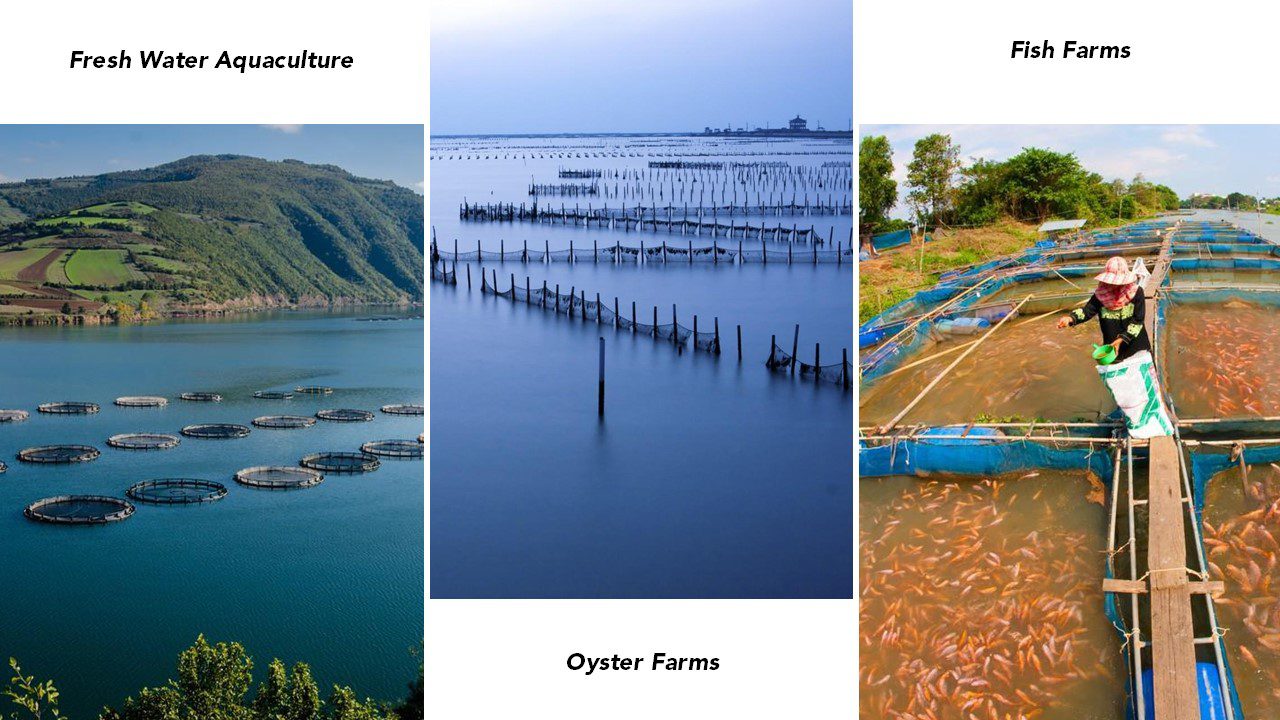
Tea Saponin Range and Application in Fish Culture
This now makes the need for the right application of tea saponin based on pharma species and the aquaculture system requirements. Here are general guidelines:
- Apply 10-15 ppm (parts per million) tea saponin solution in the pond to suppress unwanted species of fish.
- Water Quality Management: Using a lower concentration (1-5 ppm) can help to improve water quality and reduce the build up of excessive ammonia.
- Disease Prevention: These low dose applications (1-3 ppm) can help keep your animals living in a healthier environment and be less prone to an infection.
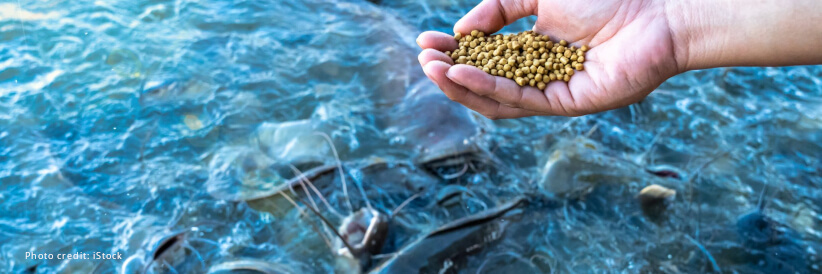
These include the use of tea saponin as a feed additive (0.1–0.5% of fish and shrimp feed) to improve digestion and nutrient absorption;
Safety Considerations
That means tea saponin which is natural compound should be correctly used to avoid the undesired impact on non-target species. As an overdose can be detrimental to beneficial aquatic organisms, it is important to adhere to proper dilution and application techniques. Test in small scale before broad application.
Conclusion
Tea saponin is an important natural substance that can be used in aquaculture, creating a variety of uses like the purification of water, pests preventions and control, disease prevention and the improvement of aquaculture species growth. Being eco-friendly and biogradation makes it an ideal replacement for synthetic chemicals, which supports sustainability in aquaculture. Such inclusion of tea saponin in aquaculture system is expected to enhance productivity with a healthy and balanced aquatic environment.
References
Aquaculture Research (2023). "Tea Saponin in Sustainable Aquaculture: Its Role."
Published Online First in Journal of Aquatic Animal Health (2024) On Water Quality and Fish Growth Effects of Tea Saponin
2030, Sustainable Fisheries and Aquaculture Report. "Tea Saponin as an Eco-friendly Substitute in Aquaculture Production."


