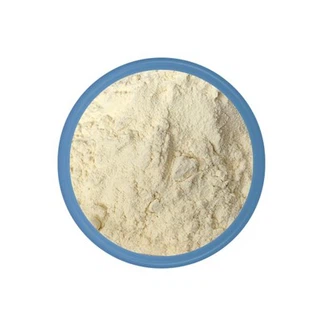
When it comes to nourishing our adored pets, we're continuously on the lookout for fixings that can provide ideal nourishment and back their general well-being. One such fixing that has been picking up footing in the pet nourishment industry is hydrolyzed chicken liver powder. This effective supplement is revolutionizing the way we approach pet sustenance, advertising a myriad of benefits that can essentially upgrade the quality of life for our furry companions. In this comprehensive guide, we'll dive into the world of hydrolyzed chicken liver powder, investigating its special properties, dietary benefits, and the reasons why it's becoming a vital component in high-quality pet nourishment formulations.

Comprehending Hydrolyzed Chicken Liver Powder: A Nutritional Powerhouse
Hydrolyzed chicken liver powder is a concentrated form of chicken liver that has experienced an uncommon process called hydrolysis. This process breaks down the proteins in the liver into littler, more effectively edible peptides and amino acids. The result is a profoundly bioavailable powder that holds the wholesome abundance of chicken liver while being simpler for pets to retain and utilize.
Chicken liver itself is already renowned for its nutritional density. It's packed with essential vitamins and minerals, including vitamin A, vitamin B12, iron, folate, and zinc. When hydrolyzed, these nutrients become even more accessible to your pet's body, maximizing the nutritional impact of every serving.
The hydrolysis handle also addresses a common concern in pet sustenance: sensitivities. By breaking down the proteins into littler components, hydrolyzed chicken liver powder is less likely to trigger allergic responses in pets with sensitivities to chicken or other protein sources. This makes it an excellent alternative for pets with nourishment hypersensitivities or intolerances, permitting them to enjoy the benefits of chicken liver without the related risks.

The Nutritional Benefits of Hydrolyzed Chicken Liver Powder for Pets
The inclusion of hydrolyzed chicken liver powder in pet food formulations can offer a wide array of health benefits for our animal companions. Let's explore some of the key nutritional advantages:
- High-Quality Protein Source: Hydrolyzed chicken liver powder is an excellent source of readily available protein. Proteins are crucial for numerous bodily functions, including muscle development, tissue repair, and enzyme production. The hydrolyzed nature of this ingredient means that the proteins are pre-digested, making them easier for pets to absorb and utilize efficiently.
- Rich in Essential Amino Acids: Amino acids are the building blocks of proteins, and hydrolyzed chicken liver powder contains all the essential amino acids that pets need but cannot produce on their own. These include leucine, isoleucine, and valine, which are vital for muscle growth and repair.
- Abundant in Vitamins: Chicken liver is naturally rich in vitamins, particularly vitamin A and B vitamins. Vitamin A is crucial for maintaining healthy vision, supporting the immune system, and promoting proper growth. B vitamins, especially B12, play a vital role in energy metabolism, nervous system function, and red blood cell formation.
- Mineral-Dense: Hydrolyzed chicken liver powder is an excellent source of important minerals such as iron, zinc, and copper. Iron is essential for oxygen transport in the blood, zinc supports immune function and wound healing, and copper is necessary for collagen formation and iron absorption.
- Natural Flavor Enhancer: Beyond its nutritional benefits, hydrolyzed chicken liver powder adds a rich, savory flavor to pet food. This can significantly improve palatability, making meals more appealing to even the pickiest eaters.
- Supports Liver Health: Ironically, consuming liver can be beneficial for liver health. The nutrients in hydrolyzed chicken liver powder can support the liver's detoxification processes and overall function.

Incorporating Hydrolyzed Chicken Liver Powder in Pet Food: Best Practices and Considerations
While the benefits of hydrolyzed chicken liver powder are clear, it's important to approach its incorporation into pet food formulations with care and consideration. Here are some best practices and factors to keep in mind:
- Appropriate Dosage: Like any nutrient-dense fix, hydrolyzed chicken liver powder should be used in control. The fitting amount will depend on components such as the pet's estimate, age, wellbeing status, and the generally wholesome profile of the nourishment. It's vital to work with veterinary nutritionists to decide the ideal incorporation rate that gives benefits without gambling on overnutrition.
- Quality Control: The quality of the hydrolyzed chicken liver powder is paramount. It's essential to source this ingredient from reputable suppliers who adhere to strict quality control measures. Look for suppliers who can provide detailed information about their production processes, including how the chicken liver is sourced, how the hydrolysis is performed, and what quality assurance measures are in place.
- Allergen Considerations: While hydrolyzed proteins are less likely to cause allergic reactions, it's still important to clearly label products containing hydrolyzed chicken liver powder. This allows pet owners with animals that have known allergies to make informed decisions.
- Balancing with Other Nutrients: Hydrolyzed chicken liver powder should be part of a balanced formulation. It's important to consider how its inclusion affects the overall nutrient profile of the pet food, ensuring that all essential nutrients are provided in appropriate amounts.
- Processing Considerations: The stability of hydrolyzed chicken liver powder during various processing methods should be taken into account. While it's generally stable, extreme heat or prolonged exposure to moisture could potentially affect its nutritional value.
- Palatability Testing: While hydrolyzed chicken liver powder can enhance flavor, it's important to conduct palatability tests to ensure that its inclusion improves, rather than detracts from, the overall taste of the pet food.
- Regulatory Compliance: Ensure that the use of hydrolyzed chicken liver powder in pet food formulations complies with all relevant regulatory standards in the markets where the products will be sold.
Conclusion
In conclusion, hydrolyzed chicken liver powder represents a significant advancement in pet nutrition. Its unique combination of high bioavailability, nutritional density, and potential health benefits makes it a valuable ingredient in high-quality pet food formulations. As we continue to seek ways to optimize our pets' diets and support their health, ingredients like hydrolyzed chicken liver powder play a crucial role in meeting these goals.
If you're interested in learning more about incorporating hydrolyzed chicken liver powder or other high-quality ingredients into your pet food formulations, we invite you to reach out to our team of experts. Contact us at info@hjagrifeed.com for personalized advice, formulation support, and to request free samples. Together, we can work towards creating pet food products that truly stand out in terms of nutritional quality and palatability.
References
Swanson, K. S., et al. (2013). Nutritional Sustainability of Pet Foods. Advances in Nutrition, 4(2), 141-150.
Cave, N. J. (2006). Hydrolyzed Protein Diets for Dogs and Cats. Veterinary Clinics of North America: Small Animal Practice, 36(6), 1251-1268.
Davenport, G. M., et al. (2001). Effect of Dietary Protein Source and Quality on Immune Function in Dogs. Journal of Nutrition, 131(7), 1965S-1967S.
Zeisel, S. H., et al. (2003). Concentrations of Choline-Containing Compounds and Betaine in Common Foods. Journal of Nutrition, 133(5), 1302-1307.
Rutherfurd, S. M., et al. (2015). Protein Digestibility-Corrected Amino Acid Scores and Digestible Indispensable Amino Acid Scores Differentially Describe Protein Quality in Growing Male Rats. The Journal of Nutrition, 145(2), 372-379.