In the ever-evolving world of animal administration, inventive approaches to animal well-being and efficiency are always being investigated. One such groundbreaking arrangement that has picked up critical consideration in recent years is the utilization of capsaicin , the compound responsible for the searing warmth in chili peppers. This characteristic substance has shown surprising potential in upgrading animal execution and combating different illnesses, making it an important device for ranchers and creature cultivation professionals alike.
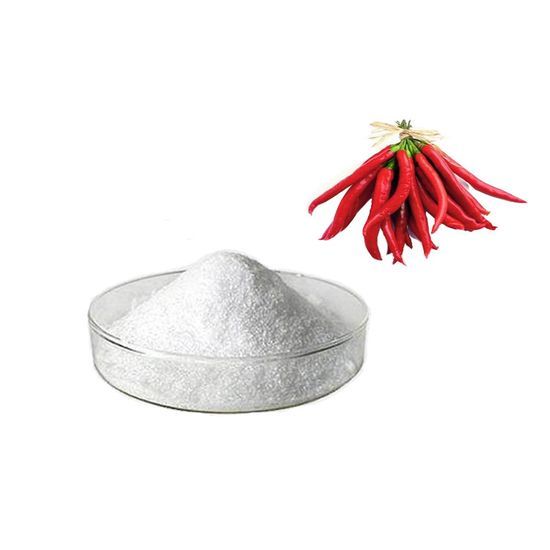,aspect=fit?size=358x0 "capsaicin powder supplier")
Capsaicin as a Natural Growth Promoter
One of the most intriguing perspectives of capsaicin in livestock administration is its capacity to act as a common development promoter. Research has shown that consolidating it into creature nourish can lead to improved weight pick-up and nourish productivity in different species, including poultry, swine, and cattle.
The instrument behind this growth-promoting impact is multifaceted. Capsaicin has been found to invigorate the discharge of digestive chemicals, upgrading supplement assimilation and utilization. This progressive assimilation permits animals to extract more supplements from their nourishment, resulting in superior development rates and overall execution.
Additionally, capsaicin has been observed to have a positive impact on intestinal wellbeing. By advancing the development of advantageous intestinal bacteria and lessening hurtful pathogens, it makes an ideal environment for supplement retention and immune work. This gut-enhancing effect not only bolsters development but also contributes to the overall well-being of livestock.
In poultry production, studies have demonstrated that broiler chickens fed diets supplemented with capsaicin exhibit increased body weight gain and improved feed conversion ratios. Similarly, in pig farming, this supplementation has been associated with enhanced growth performance and meat quality.
The use of capsaicin as a characteristic development promoter offers a promising elective to engineered development promoters, adjusting with the developing buyer request for more normal and feasible cultivating practices. As the livestock industry proceeds to confront weight to decrease the use of antibiotics and other manufactured additives, the item presents an engaging arrangement that can help keep up efficiency while tending to these concerns.

Capsaicin's Role in Disease Prevention and Immune Support
Beyond its growth-promoting properties, capsaicin has emerged as a powerful ally in disease prevention and immune support for livestock. The compound's antimicrobial and anti-inflammatory properties make it an effective tool in combating various pathogens and bolstering animals' natural defense mechanisms.
One of the essential ways capsaicin contributes to disease avoidance is through its capacity to restrain the development of destructive bacteria. Studies have appeared that it exhibits antimicrobial movement against a wide range of pathogens, including Escherichia coli, Salmonella, and Clostridium perfringens. By diminishing the nearness of these hurtful microorganisms in the intestine, it helps maintain a solid intestinal environment and decreases the risk of contaminations.
Besides, capsaicin has been found to fortify the generation of immunoglobulins, particularly IgA, which plays a significant part in mucosal insusceptibility. This upgraded immune reaction helps secure creatures against different diseases and contaminations, especially those influencing the respiratory and gastrointestinal frameworks.
In poultry production, capsaicin supplementation has shown promise in reducing the incidence of coccidiosis, a parasitic disease that can cause significant economic losses. The compound's ability to modulate the immune response and inhibit the growth of Eimeria species, the causative agent of coccidiosis, makes it a valuable tool in managing this prevalent disease.
For ruminants, capsaicin has demonstrated potential in mitigating the risk of ruminal acidosis, a metabolic disorder that can severely impact cattle health and productivity. By modulating rumen fermentation and promoting a more stable pH environment, it helps maintain optimal rumen function and reduces the likelihood of acidosis development.
Implementing Capsaicin in Livestock Feed and Management Practices
The integration of capsaicin into livestock management practices requires careful consideration and strategic implementation. While the benefits of the products are numerous, its effective use depends on factors such as dosage, administration method, and species-specific requirements.
One of the primary methods of incorporating capsaicin into livestock management is through feed supplementation. It can be added to animal feed in various forms, including pure capsaicin extracts, dried chili pepper powder, or specially formulated capsaicin-containing feed additives. The optimal dosage may vary depending on the animal species, age, and specific health objectives.
In poultry production, research has shown that capsaicin supplementation at levels ranging from 0.5 to 100 mg/kg of feed can yield positive results in terms of growth performance and disease resistance. However, it's crucial to note that excessive doses may lead to reduced feed intake due to the compound's pungency, highlighting the importance of finding the right balance.
For swine, studies have demonstrated beneficial effects with capsaicin supplementation at levels between 0.02% and 0.05% of the diet. These levels have been associated with improved growth performance, meat quality, and immune function without negatively impacting feed palatability.
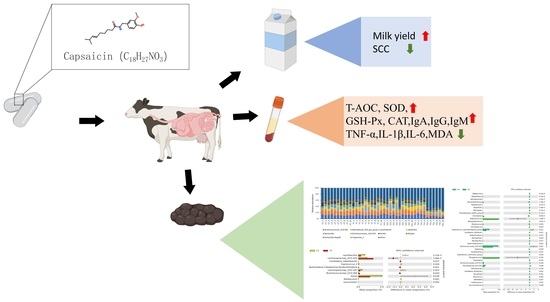
In ruminant nutrition, the use of capsaicin-containing plant extracts or purified capsaicin has shown promise in modulating rumen fermentation and improving overall digestive efficiency. The optimal dosage for ruminants may vary depending on factors such as animal size, production stage, and specific health concerns.
When implementing capsaicin supplementation, it's essential to consider the potential for taste aversion, particularly in young animals. Gradual introduction and proper mixing of capsaicin-containing additives with other feed components can help mitigate this issue and ensure consistent intake.

Conclusion
The role of capsaicin in livestock management and disease prevention represents a significant advancement in the pursuit of sustainable and efficient animal agriculture. From its growth-promoting properties to its ability to enhance immune function and combat diseases, it offers a natural and effective solution to many challenges faced by the livestock industry.
For those interested in exploring the potential of capsaicin and other natural ingredients in animal nutrition, HJHERB Biotechnology offers a wide range of high-quality products and expertise in this area. To learn more about incorporating product and other innovative solutions into your livestock management practices, please contact us at info@hjagrifeed.com.
References
Fernández-López, J., et al. (2018). "Potential of capsaicin as a natural antioxidant in meat products: A review." Antioxidants, 7(10), 142.
Gąsior, R., & Wojtyczka, R. (2016). "Antimicrobial activity of capsaicin against bacterial strains isolated from meat." Medycyna Weterynaryjna, 72(9), 579-583.
Liu, Y., et al. (2019). "Effects of capsaicin on growth performance, antioxidant capacity and meat quality of broiler chickens." Animal, 13(5), 1017-1024.
Puvača, N., et al. (2019). "Beneficial effects of phytoadditives in broiler nutrition." World's Poultry Science Journal, 75(2), 265-279.
Reyes-Escogido, MDL, et al. (2011). "Chemical and pharmacological aspects of capsaicin." Molecules, 16(2), 1253-1270.