


Sustainability has emerged as a primary theme in contemporary agriculture, and feeding practices in livestock are not an exception. Among the feeds available, Corn Gluten Meal (CGM) has emerged as an excellent versatile, eco-friendly ingredient that supports sustainable livestock production. Derived as a byproduct of corn wet-milling, CGM provides outstanding nutritional value, while also achieving environmental and economic goals. This article explores the role of corn gluten meal in sustainable livestock feeding practices and its benefits for farmers and the planet.
What is Corn Gluten Meal?
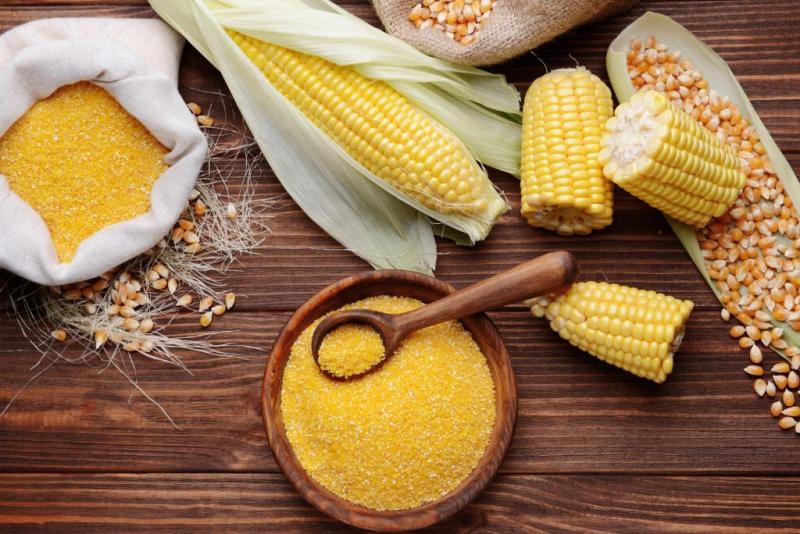
Corn Gluten Meal is a yellow powder produced during the wet milling of corn into starch or syrup. The feed supplement is highly energy-dense and contains a lot of protein as it mainly consists of the protein fraction of the corn kernel. Being one of the products from the corn industry, CGM displays the tenets of a circular economy by seizing resources that otherwise go to waste.

Nutritional Value of Corn Gluten Meal
CGM is a feed ingredient of strong nutritional value for most livestock species. Key points are as follows:
1. High protein content: It contains 60% to 70% crude protein, thus supporting the growth and development of muscles in animals.
Rich in amino acids: Methionine and cysteine, two essential amino acids, are in abundance in CGM and thus support tissue repair and immunity in animals.
2. Energy-dense: Its high metabolizable energy makes it an excellent feed for high-performance animals.
3. Low Fiber: This has minimal fiber content to ensure easy digestibility, hence boosting feed efficiency.
4. Natural Pigmentation: For poultry, the CGM enhances pigmentation and the yellow color in egg yolks and skin, which is favored by consumers in many markets.

How Corn Gluten Meal Boosts Sustainability
1. Reduces Feed Waste: The by-product of corn processing is CGM, making it a very good example of resource efficiency. This is because using CGM in livestock diets helps farmers minimize agricultural waste and utilize available resources to the fullest extent.
2. Reduces Dependence on Fishmeal: In aquaculture, CGM acts as a plant-based alternative for fishmeal, with pressure being relieved on marine ecosystems. This supports sustainable fish farming and protects biodiversity.
3. Feed Efficiency: The high protein and energy contents of CGM entail that animals gain optimal growth and production on low feed intake levels. This enhances efficiency and will reduce the environmental impacts of livestock rearing.
4. Promotes Domestic Agriculture: This product is quite readily available for use in an area with big corn industries such that feed raw materials need less importation; this will strengthen the local economics and minimize transport-related carbon footprints.

Usage of Corn Gluten Meal in animal feeds
1. Cattle
- Dairy Cows: CGM stimulates milk yield due to its easily digestible protein and energy.
- Beef Cattle: Facilities weight gain and improves feed conversion rate.
2. Poultry
- Feather growth and egg production; yolk pigmentation
- Performance overall feed efficiency in broilers and layers
3. Swine
- Muscle building; cost-effective source of protein
- Improves palatability and digestibility of the feed
4. Aquaculture
- Utilization of plant-based, sustainable source of protein for fish
- Reduces dependency on over fished marines resources.

Best Practices in Using Corn Gluten Meal
1. Inclusion Rates: Feeds Percentage in the Diet
- For Cattle: Up to 15%
- For Poultry: Broilers and layers 5% to 10%
- For Swine: Growing and finishing pigs 5% to 8%
- For Aquaculture: According to the needs of the species.
2. Balance with Other Ingredients: CGM is low in lysine-an essential amino acid. Balance it with other protein sources or synthetic lysine for a complete nutritional profile.
3. Monitor Quality: Ensure CGM is free from contaminants and meets nutritional specifications. High-quality CGM should have a consistent protein content and a fresh, pleasant odor.
4. Consult a Nutritionist: Work with a livestock nutritionist to formulate diets that maximize the benefits of CGM while meeting species-specific needs.
Challenges and Considerations
1. Nutrient Imbalances: While CGM is rich in protein, its low lysine content requires careful balancing.
2. Price Volatility: Prices may fluctuate due to market dynamics, impacting affordability.
3. Overuse risks: excessive incorporation may cause nutrient imbalances and detrimental palatability.

The Future of Corn Gluten Meal in Sustainable Agriculture
Therefore, with sustainability fast becoming the top priority in the livestock industry, CGM finds itself at an excellent position for integration. Feed technological advancements and improved awareness of the sustainable practices also are likely to increase the incorporation of CGM across species. Its versatility, cost-effectiveness, and environment-friendly advantages give it a big place in the future feeding of livestock.
Conclusion
More than a high protein feed supplement, Corn Gluten Meal is a mainstay of environmentally friendly livestock feeding. By wisely incorporating CGM in diets and striking a balance among other ingredients, farmers can optimize productivity while simultaneously reducing their impact on the environment. As agriculture continues to progress, CGM is a tool for efficient, eco-friendly, and economically feasible livestock production.


