


In the realm of sustainable agriculture, farmers and agronomists are constantly seeking innovative ways to enhance crop productivity while minimizing environmental impact. One such solution that has gained traction in recent years is the use of tea seed meal. This natural byproduct of tea oil production has proven to be a versatile and effective tool in boosting crop yields and improving soil health. In this comprehensive guide, we'll explore the benefits of tea seed meal in agriculture and how it can revolutionize farming practices.
Comprehending Tea Seed Meal: Nature's Gift to Agriculture
Tea seed meal, derived from the seeds of Camellia sinensis plants, is a nutrient-rich organic fertilizer that has been used in traditional agriculture for centuries. As the demand for natural and sustainable farming solutions grows, tea seed meal has emerged as a promising alternative to synthetic fertilizers and pesticides.
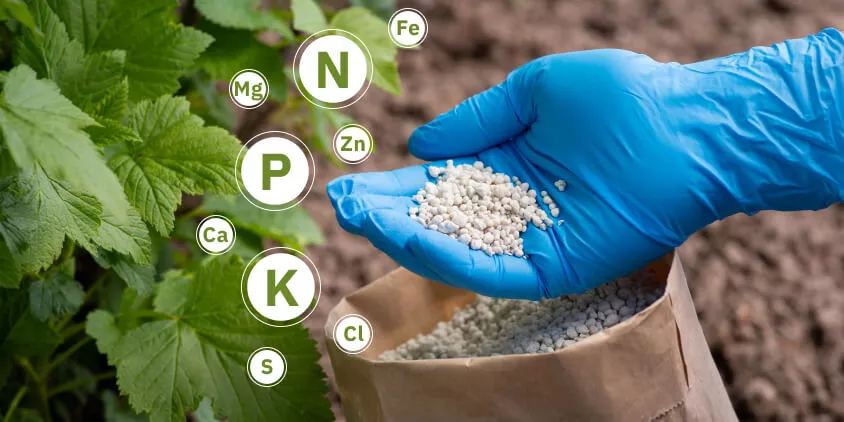
The composition of tea seed meal is what makes it so valuable in agriculture. It contains a balanced mix of macronutrients, including nitrogen, phosphorus, and potassium, as well as essential micronutrients like calcium, magnesium, and sulfur. These elements are crucial for plant growth and development, making tea seed meal an excellent soil amendment and fertilizer.
Moreover, tea seed meal contains natural saponins, which are compounds known for their pesticidal and fungicidal properties. These saponins can help protect crops from various pests and diseases, reducing the need for harmful chemical pesticides. The presence of these beneficial compounds sets tea seed meal apart from other organic fertilizers, making it a multifaceted solution for agricultural challenges.
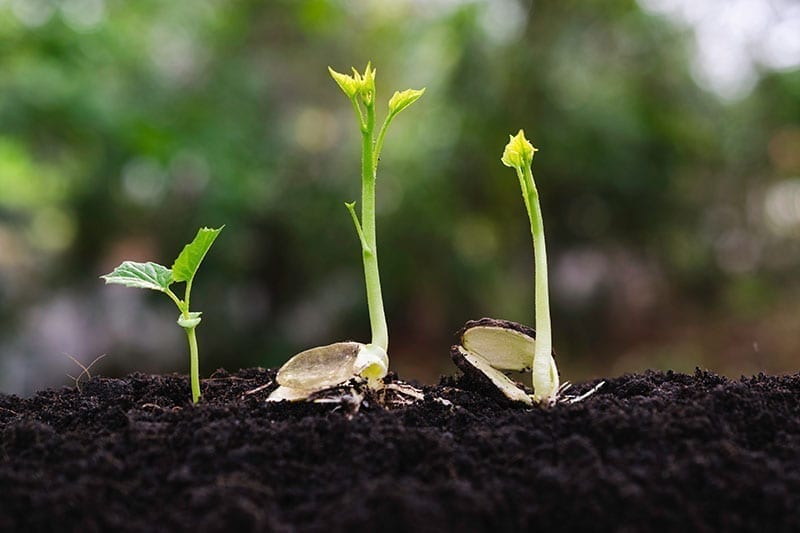
The Multifaceted Benefits of Tea Seed Meal in Agriculture
The application of green tea extract like tea seed meal in agriculture offers a wide array of benefits that contribute to improved crop yields and overall farm sustainability. Let's delve into some of the key advantages:
1. Soil Enrichment and Structure Improvement
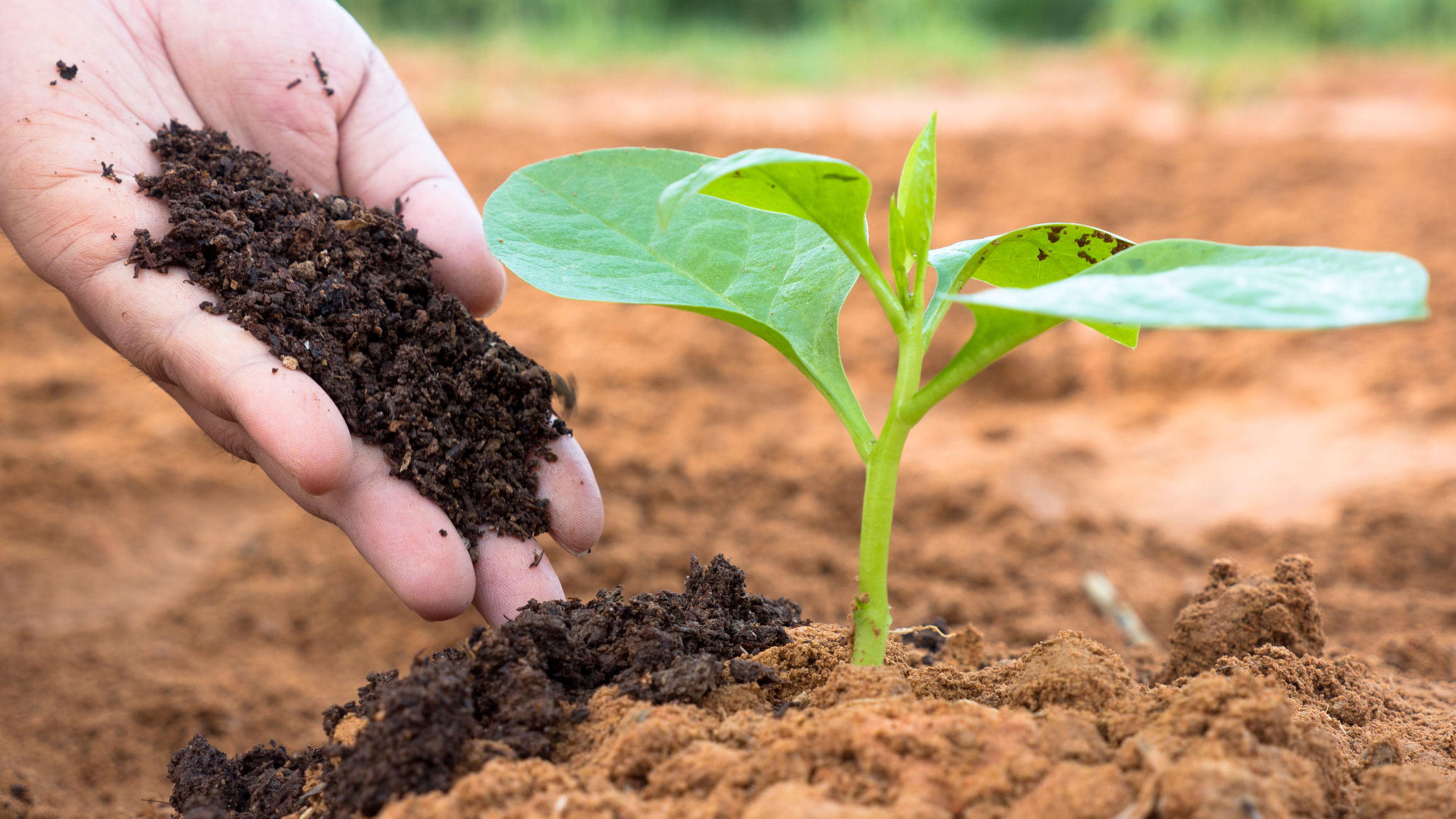
Tea seed meal acts as an excellent soil conditioner, improving both the physical and chemical properties of the soil. When incorporated into the soil, it enhances soil structure by increasing porosity and water-holding capacity. This improved structure allows for better root penetration and nutrient uptake by plants.
The organic matter in tea seed meal also helps to increase the soil's cation exchange capacity (CEC), which is crucial for nutrient retention and availability. As the meal decomposes, it releases nutrients slowly over time, providing a steady supply of nourishment to plants throughout their growth cycle.
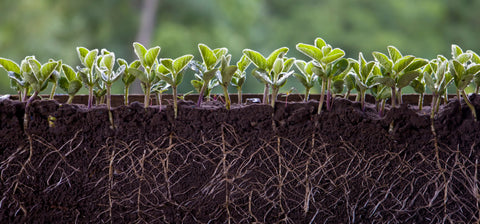
2. Natural Pest and Disease Control
One of the most remarkable aspects of tea seed meal is its natural pesticidal properties. The saponins present in the meal act as a deterrent to various pests, including nematodes, aphids, and mites. When applied to the soil or as a foliar spray, tea seed meal can effectively reduce pest populations without harming beneficial insects or the environment.
Furthermore, the antifungal properties of tea seed meal can help suppress soil-borne pathogens, reducing the incidence of root rot and other fungal diseases. This dual action of pest and disease control makes tea seed meal an invaluable tool in integrated pest management strategies.
3. Enhanced Nutrient Uptake and Plant Growth
The balanced nutrient profile of tea seed meal provides plants with essential elements for growth and development. The organic nature of these nutrients ensures slow release, reducing the risk of nutrient leaching and promoting sustained plant growth throughout the season.
Moreover, tea seed meal has been shown to stimulate beneficial soil microorganisms, such as mycorrhizal fungi and nitrogen-fixing bacteria. These microorganisms play a crucial role in nutrient cycling and availability, further enhancing the plant's ability to absorb and utilize nutrients from the soil.
Implementing Tea Seed Meal in Agricultural Practices
To harness the full potential of tea seed meal in agriculture, it's essential to understand the proper application methods and best practices. Here are some key considerations for integrating tea seed meal into your farming routine:
Application Timing and Methods
The optimal time to apply tea seed meal depends on the crop type and growth stage. Generally, it's most effective when incorporated into the soil before planting or as a side-dressing during the growing season. For perennial crops, application can be made in early spring or late fall when plants are actively growing.
Tea seed meal can be applied in several ways:
- Soil incorporation: Mix the meal thoroughly with the top layer of soil before planting.
- Side-dressing: Apply the meal in a band around the base of plants during the growing season.
- Foliar spray: Dilute tea seed meal in water and apply as a foliar spray for pest control and nutrient supplementation.

Dosage and Frequency
The appropriate dosage of tea seed meal varies depending on soil type, crop requirements, and existing nutrient levels. As a general guideline, application rates range from 500 to 2000 kg per hectare. It's crucial to conduct soil tests and consult with agricultural experts to determine the optimal application rate for your specific situation.
Frequency of application depends on the crop cycle and nutrient demands. For annual crops, a single application before planting may be sufficient, while perennial crops may benefit from split applications throughout the growing season.
Complementary Practices
To maximize the benefits of tea seed meal, consider implementing complementary agricultural practices:
- Crop rotation: Incorporate tea seed meal into a diverse crop rotation plan to enhance soil health and break pest cycles.
- Cover cropping: Use cover crops in conjunction with tea seed meal to improve soil structure and prevent nutrient leaching.
- Composting: Combine tea seed meal with other organic materials in compost to create a nutrient-rich soil amendment.

Conclusion
As we navigate the challenges of modern agriculture, solutions like tea seed meal offer a beacon of hope for sustainable and productive farming practices. By harnessing the power of this natural resource, farmers can boost crop yields, improve soil health, and reduce their reliance on synthetic inputs.
To learn more about incorporating tea seed meal into your agricultural practices or to explore other natural solutions for crop production, don't hesitate to reach out to our team of experts at info@hjagrifeed.com. Together, we can cultivate a greener, more productive future for agriculture.
References
Chen, J. H., & Wang, Y. J. (2016). The role of tea seed meal in sustainable agriculture. Journal of Agricultural and Food Chemistry, 64(24), 4863-4873.
Liu, X., Ren, G., & Shi, Y. (2017). The effect of organic fertilizer tea seed cake on soil properties and the growth of vegetables. Scientia Horticulturae, 225, 785-792.
Wang, L., Sun, X., Li, S., Zhang, T., Zhang, W., & Zhai, P. (2014). Application of organic amendments to a coastal saline soil in north China: Effects on soil physical and chemical properties and tree growth. PLoS One, 9(2), e89185.
Zhao, J., Zhou, L., & Wu, J. (2018). Effects of tea seed meal on soil microbial biomass and community structure. Applied Soil Ecology, 129, 71-79.
Guo, Y., Gu, J., Hou, Y., Guo, Z., & Zhao, X. (2019). Effects of tea seed meal on soil enzyme activities and microbial community in a continuous cropping system. Sustainability, 11(23), 6715.


