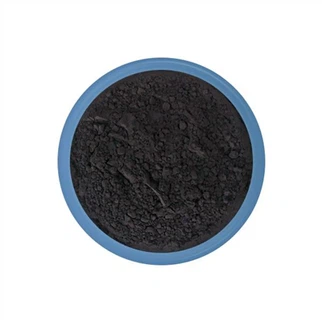
As pet owners increasingly look for natural, nutrient-dense supplements for their pets, kelp powder has become one of the go-to choices. Chock-full of important minerals, iodine, antioxidants, and amino acids, kelp (seaweed) provides a host of health benefits for canine and feline pets as well as exotic animals. But not all kelp is created equal-the quality of your kelp powder is largely dependent on the source.
In this blog, we'll explore the top benefits of buying from a trusted kelp powder supplier, and why sourcing matters for the safety, effectiveness, and nutritional impact of kelp supplements for pets.

What Is Kelp Powder and Why Is It Used for Pets?
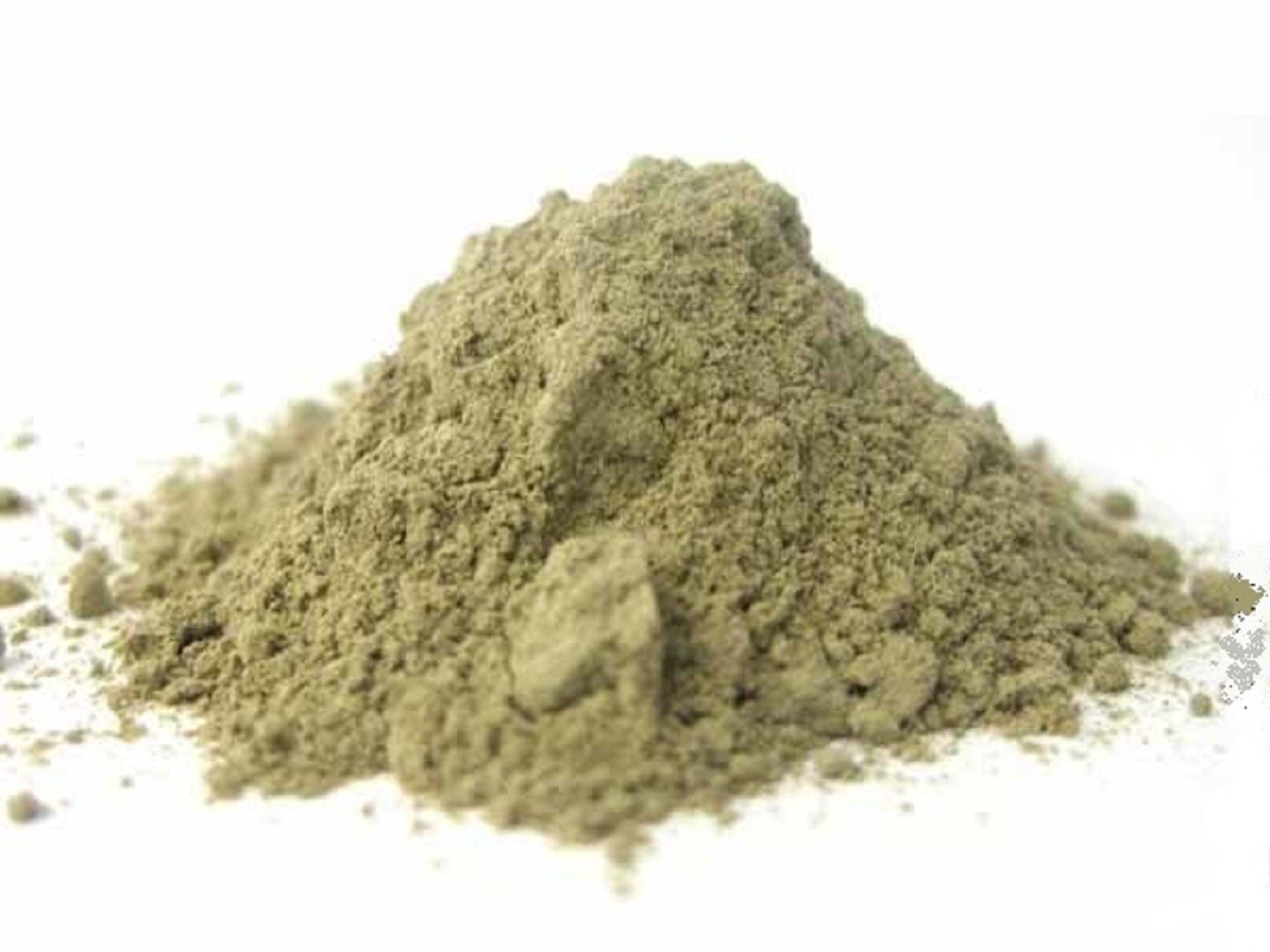
Kelp powder is finely ground, dried seaweed, often taken from cold seas like those off Iceland, Norway, or the North Pacific. It's full of:
- Iodine – Healthy thyroid function
- Calcium, magnesium, potassium, and iron – Key minerals for bones and immune function
- Natural antioxidants – Such as fucoxanthin and polyphenols
- Amino acids and vitamins – Such as B12, folate, and Vitamin K
Kelp is often incorporated into pet food, treats, or supplements to support skin and coat health, digestion, metabolism, and trace nutrients required for maximum health.

Why Buying from a Quality Kelp Powder Distributor Matters
1. Guaranteed Purity and Safety
The highest risk of low-grade kelp supplements is heavy metal poisoning. Seaweed can absorb chemicals like arsenic, mercury, or lead from seawater if not responsibly sourced.
A responsible kelp powder producer ensures:
- Clean harvesting areas, far from industrial or polluted waters
- Strict testing for heavy metals, microbials, and toxins
- Compliance with world safety standards such as ISO, GMP, and HACCP
This safeguards the health of your pets, especially those with sensitive systems or chronic health ailments.
2. Consistent Nutrient Content
As it's a natural product, nutrient content differs between species, season harvested, and processing procedures. A qualified supplier:
- Provides standardized kelp powder containing consistent iodine, mineral, and vitamin content
- Packages each batch with a Certificate of Analysis (COA)
- Uses consistent particle size and drying procedures that don't compromise nutrient integrity
Helps you avoid under- or over-dosing your pet-particularly important with thyroid, where excess iodine is not good.
3. Traceability and Transparency
Honest kelp powder suppliers offer full traceability from sea to product, which includes:
- You are able to verify harvest location, processing plant, and batch quality
- Ethical and sustainable harvesting methods are used to preserve marine ecosystems
- Labels are transparent and in accordance with pet supplement regulations
Traceability creates trust between pet parents and product makers about openness in all phases from source to application.
4. Increased Palatability and Digestibility
Quality kelp powder has:
- Seaweed flavor that is neutral or slightly salty
- Even texture that is easy to blend with food or pet treats
- No off-putting odor, mold, or clumping from storage or processing problems
This ensures your animals easily accept the supplement, either sprinkled over kibble or baked into functional bites. Proper producer handling of drying temperature and grinding ensures digestibility and freshness.
5. Custom Formulation Support
Most high-end suppliers offer pre-made kelp combinations that meet particular animal wellness needs:
- Skin & coat recipes, thyroid support, or joint recipes
- Kelp combined with other natural supplements like spirulina, MSM, or glucosamine
- Bulk packaging for pet food manufacturers, veterinary use, or supplement manufacturers
It is vital to make it easier to create focused, useful pet health products that meet the demands of information-aged pet owners.
6. Better Shelf Life and Storage Options
Reputable suppliers spend money on quality packaging and preservation methods:
- Distributing kelp powder in airtight, moisture-free, closed containers
- Storage temperature is clearly labeled, batch date, and expiry
- Antioxidant preservation to prevent rancidity and loss of nutrients
You thereby receive a longer-lasting product, reduced risk of spoilage, and consistent performance long-term.
Pet Health Benefits of Quality Kelp Powder
If sourced from a quality provider, kelp powder can confer numerous benefits:
| Benefit | How It Helps Pets |
|---|---|
| Thyroid Support | Iodine helps regulate metabolism and energy |
| Skin & Coat Health | Rich in omega-3s, antioxidants, and minerals for shiny fur |
| Immunity Boost | Zinc, selenium, and vitamins support immune defenses |
| Bone and Joint Health | Calcium and magnesium aid skeletal structure and joint strength |
| Detoxification | Helps remove heavy metals and supports liver function |
| Oral Health | Natural enzymes in kelp can reduce plaque and bad breath |

How to Find a Good Kelp Powder Supplier
In picking a kelp provider of pet goods, look for:
| Criteria | Why It Matters |
|---|---|
| Ocean origin (e.g., Iceland, Norway) | Cleaner waters = safer, more nutritious kelp |
| Heavy metal testing | Prevents toxicity risks in pets |
| Certifications (ISO, GMP, HACCP) | Ensures high safety and processing standards |
| Batch-to-batch COA | Confirms nutrient content and purity |
| Sustainable harvesting methods | Protects marine environments |
| Customization services | Enables targeted formulations |

Conclusion
Kelp powder is a very potent natural pet wellness supplement-but its potency depends entirely on the quality and reliability of the kelp powder supplier. From avoiding deadly contaminants to achieving proper nutrient content and product consistency, a reputable kelp powder supplier guards your pets and your product line.
Whether you're a pet owner looking out for the best in your precious pet, or a brand manufacturing top-notch pet products, keep in mind: better sourcing translates into better health outcomes.
References
Yamamoto, Y. et al. (2021). Seaweed supplementation and pet nutrition. Journal of Veterinary Science and Technology, 12(3), 45–53.
NRC. (2021). Nutrient Requirements of Dogs and Cats. National Academies Press.
FAO. (2018). Guidelines for sustainable seaweed harvesting.
Stirk, W. A., et al. (2014). The role of seaweed-derived substances in animal health. Journal of Applied Phycology, 26(2), 1181–1191.