


With more and more pet owners looking for natural methods of maintaining health and longevity in dogs, burdock leaf powder is one of the leading herbal supplements. In both Eastern and Western herbal traditions, for more than two thousand years, burdock (Arctium lappa) is an extremely revered cleansing, anti-inflammatory, and immune-stimulant. Grind its leaves into a fine powder, and its convenient availability in the store or on the web is an easy means to maintain your dog's health-naturally and without risk.
In this article, we'll explore how burdock leaf powder benefits dogs, the science behind its properties, safe usage tips, and why it could be a powerful addition to your pup's wellness routine.
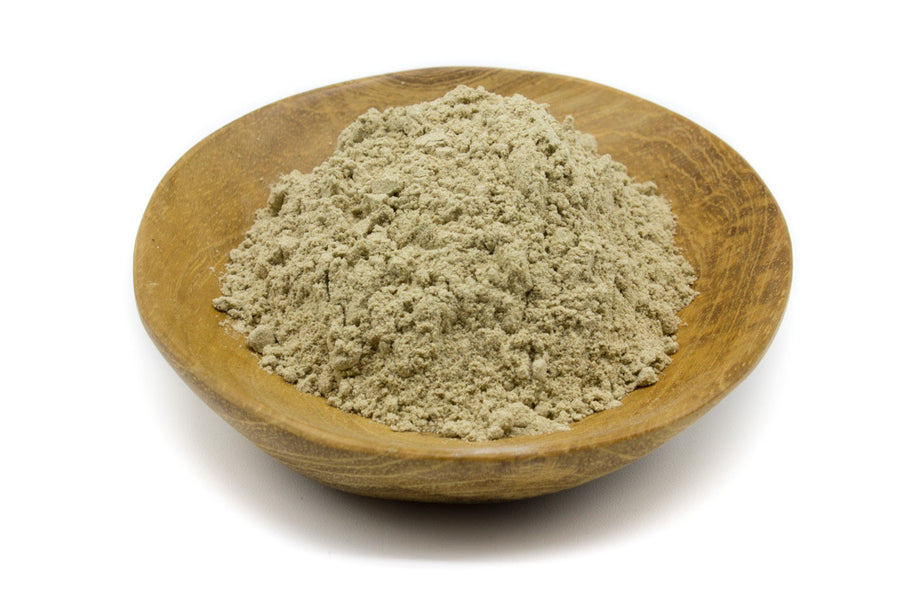
What Is Burdock Leaf Powder?
Burdock is a two-year herb native to Asia and Europe but now grown globally on a large scale. Although the root is the classical human herbal medicine component, even leaves contain plenty of active constituents like:
- Chlorogenic acid
- Arctiin
- Polyphenols and flavonoids
- Inulin (prebiotic fiber)
- Tannins and essential oils
Dried and powdered burdock leaves can be simply added to dog food, treats, or home foods.
Chief Benefits of Burdock Leaf Powder in Dogs
1. Cleanses the Liver and Blood
One of the most precious uses of burdock by older folks is as a blood cleanser. It helps:
- To stimulate the liver and bile activity
- To remove toxic wastes and metabolic waste products from the blood
- To support detoxification subsequent to medication, illness, or faulty diet
This makes it particularly useful for the treatment of allergic reaction, skin conditions, or chronic inflammation dogs, which are likely to be suffering from underlying immune imbalance or liver.
2. Promotes Skin and Coat Health
Burdock leaf is packed with antioxidant and anti-inflammatory phytochemicals, and they can be used to treat dog conditions such as:
- Scratching, dry flaky skin
- Hot spots or rashes
- Allergic dermatitis or spring allergy
- Dry dull coats
Its detoxification and anti-inflammatory activity make it a highly desired herb in herbal skin health supplements.
Fun fact: Burdock has also been used traditionally by herbalists combined with dandelion or nettle for overall skin and blood health.
3. Anti-Inflammatory and Antioxidant Activities
Burdock leaf polyphenols and lignans inhibit inflammation and oxidative stress. This is beneficial for:
- Joint comfort in aging or arthritis in dog models
- Immune modulation in autoimmune or chronic disease in dog patients
- Recovery from illness or injury
Some owners incorporate burdock as part of an integrative pain protocol or as a complementary to mobility nutrients such as glucosamine or MSM.
4. Digestive Well-being and Gut Function
Due to its fiber and inulin, burdock leaf powder can aid with:
- Increasing bile secretion and digestion
- As a calming prebiotic, nourishing beneficial gut bacteria
- Calming symptoms such as gas, bloating, or sluggish digestion
Inulin also possesses the advantage of blood sugar balancing, which may prove beneficial in overweight or potentially metabolically challenged animals.
5. Stimulates the Immune System Naturally
Burdock possesses gentle antifungal and antimicrobial properties, which may help support your dog's immune system in deterring infection-most notably:
- Fungal overgrowth
- Ear infections
- Small skin cuts or abscesses
As a preventative, it supports your dog's body's natural immunity throughout the entire year.
Is Burdock Leaf Powder Safe for Dogs?
Yes, burdock leaf is safe in dogs when administered moderately and under strict monitoring. Certain precautions are indeed present:
Safe for:
Adult dogs
Dogs with skin disorders, inflammation, or impaired immunity
Sick dogs at the recovering stage of disease or drugs
Overweight dogs requiring metabolic or liver support
Use carefully:
Pregnant or lactating dogs
Diabetic dogs (keeping in mind inulin's hypoglycemic activity)
Dogs on diuretics or blood thinners (burdock can interact)
Always consult with your vet first before introducing a new supplement, particularly if your dog is on medication or has underlying health issues.

How to Give Burdock Leaf Powder to Dogs
Recommended Dosage (General Guideline):
- Small dogs (<20 lbs): 1/8 – 1/4 tsp daily
- Medium dogs (20–50 lbs): 1/4 – 1/2 tsp daily
- Large dogs (50+ lbs): 1/2 – 1 tsp daily
Begin with a low dose and monitor your dog for 2–3 days before increasing gradually.
Serving Suggestions:
- Pair with wet food or broth
- Pair with yogurt or pumpkin puree
- Bake with homemade dog biscuits
Pair with other herbs (e.g., dandelion root, nettle) to make a detox blend

How to Select a High-Quality Burdock Leaf Powder
For maximum benefits, make sure your burdock powder is:
| ✅ Feature | 🔍 Why It Matters |
|---|---|
| Organic and wild-harvested | Reduces risk of pesticide or heavy metal contamination |
| Air-dried, not heat-processed | Preserves nutrients and essential oils |
| Free from additives or fillers | Ensures purity and potency |
| Sourced from a reputable supplier | Verified quality and safety for pet use |
Ensure products have a Certificate of Analysis (COA) to offer assurance and testing standards.

Final Thoughts
Burdock leaf powder is a mild but powerful herbal supplement that can naturally improve your dog's health-everything from skin and liver cleansing to immune system and digestion. Used ethically and responsibly, it is a strong, natural choice for long-term pet wellness.
Whether you're helping your dog recover from allergies, supporting senior vitality, or just looking to add a natural boost to their daily routine, burdock is a time-tested ally in herbal pet care.
References
Tilford, G. L., & Wulff-Tilford, M. (2009). Herbs for Pets: The Natural Way to Enhance Your Pet's Life.
Wynn, S. G., & Fougere, B. J. (2007). Veterinary Herbal Medicine.
Bone, K., & Mills, S. (2013). Principles and Practice of Phytotherapy.
National Research Council (NRC). Nutrient Requirements of Dogs and Cats, 2021.


