In the modern companion animal and livestock feeding industries, the characteristics of feed efficiency, digestibility, and sustainability are of particular interest. With animal producers and pet food manufacturers looking for alternative feed ingredients to replace conventional protein feedstuff such as soybean meal or fishmeal, corn protein powder, also known as corn gluten meal, has become a sought-after ingredient.
But what exactly is corn protein powder, and how does it benefit animal diets across species like poultry, swine, cattle, dogs, and cats?
In this blog, we'll explore the advantages of corn protein powder, from its nutritional profile and digestibility to its economic and environmental value in animal nutrition.

What Is Corn Protein Powder?
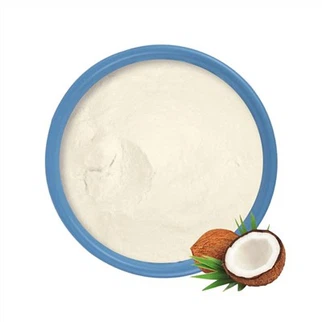
Corn protein powder is a wet milled by-product of corn where starch and other fractions are removed. It usually consists of:
- Crude protein: 60–70%
- Amino acids: Extremely methionine and leucine concentrated
- Low fiber level
- Carotenoids: Natural pigments that are used in egg yolk color and skin pigmentation
- Low anti-nutritional factors than soy
It's generally used in:
- Poultry feed
- Swine nutrition
- Cattle rations
- Aquaculture
Pet food (mainly dog and cat kibble)

Top Benefits of Corn Protein Powder in Animal Feed
1. High Protein for Growth and Performance
High levels of digestible protein (up to 70%) in corn protein powder make it a good quality additive for:
- Growth muscle development in young and immature animals
- Immune function and tissue repair
- Weight gain and better feed conversion ratios (FCR)
It is particularly useful in the application to starter feeds and performance feeds.
2. Excellent Digestibility
Corn protein powder has easily digestible protein fractions and is therefore suitable for:
- Weaning piglets
- Broiler chickens
- Companion animals with sensitive gastrointestinal tracts
???? Research has established that protein digestibility in corn gluten meal is more than 90% in poultry and swine, and 80–90% in the dog.
3. Abundant in Sulfur-Containing Amino Acids
The protein content of corn is rich in methionine and cysteine, which are essential for:
- Growth of feathers and hair
- Laying by hens
- Detoxification by the liver
- Skin and coat condition in animals
Though extremely low in tryptophan and lysine, it mixes well with other protein sources to create balanced amino acid profiles.
4. Natural Pigmentation for Poultry and Aquaculture
Natural source of xanthophylls-orange to yellow carotenoids-corn protein powder increases:
- Color of egg yolks in hens
- Skin and shank pigmentation in broilers
- Color in ornamental fish and shrimp
This pigmentation enhances end product value and consumer acceptability.
5. Low in Anti-Nutritional Factors
In contrast to soybean meal, corn protein powder contains no:
- Trypsin inhibitors
- Lectins
- Oligosaccharides
This translates to improved gut health, feed consumption, and nutrient absorption, especially in monogastric animals such as pigs and poultry.
6. Cost-Effective and Sustainable
As a by-product of corn processing, corn protein powder is:
- Less expensive than animal proteins such as fishmeal
- Stably available in bulk form
- Green with zero-waste utilization of crops
Its storage life and ease of storage also make it easy to use in big feed mills and small farms.

Species-Specific Benefits
Poultry (Broilers and Layers)
- Enhances feed efficiency and weight gain
- Enhances quality of feathers and skin color
- Enhances yolk pigmentation
Inclusion rate: 5–10% total diet depending on feeding objective
Swine
- Provides concentrated energy and protein
- Best suited for weaning diets to enhance growth
- Low gastrointestinal stress, palatability and digestibility
Inclusion rate: 3–6% in grower and starter rations
Ruminants (Goats, Sheep, Cattle)
- Provides rumen undegradable protein (RUP) to support high-producing dairy cows
- Complements diets based on forages
- Increases milk yield and quality
Inclusion rate: 1–5% in total mixed rations (TMR)
Dogs, Cats
- Used in grain-containing dry dog and cat foods
- Promotes lean muscle mass and energy
- Naturally hypoallergenic and gluten-free
Source: Limited-ingredient and plant-based pet food

Nutritional Profile Snapshot (per 100g)
| Nutrient | Amount |
|---|---|
| Crude protein | 60–70 g |
| Crude fat | 2–5 g |
| Fiber | <2 g |
| Methionine | 1.7–2.0 g |
| Cystine | 1.5–1.8 g |
| Metabolizable Energy | ~3,500 kcal/kg |
| Xanthophylls | 30–70 ppm |

Key Considerations for Use
Even with the numerous advantages of corn protein powder, it should be:
Mixed with lysine-protein feedstuffs (e.g., soybean meal or meat meal)
Used based on species' level of digestibility and tolerance
Purchased from trustworthy manufacturers to provide consistency and safety
Also make sure that the product is mycotoxin or mold-free, particularly under wet storage conditions.

Conclusion
Corn protein powder is a valuable, effective, and environmentally friendly animal feed protein source. From development and muscle growth to pigmentation and enhancement of digestibility, it offers advantages to many species with multi-advantages. As long as it is well formulated and also blended with supplementary proteins, corn protein powder improves enhanced animal performance and cost-effective feed solutions.
Whether you're a feed miller, a pet food formulator, or a livestock producer, adding corn protein powder to your arsenal can assist you in keeping up with today's animal nutrition needs-naturally and efficiently.
References
National Research Council (NRC). (2021). Nutrient Requirements of Swine, Poultry, and Companion Animals.
Emmert, J. L., & Baker, D. H. (1997). Use of corn gluten meal in poultry diets. Poultry Science, 76(1), 47–54.
Dozier, W. A., et al. (2003). Amino acid digestibility of corn protein in pigs and poultry. Journal of Animal Science, 81(3), 618–626.
FAO. (2020). Feed formulation and protein efficiency in livestock production.