


Astaxanthin is currently one of the most powerful natural antioxidants known; as such, it has attracted much interest in industries dealing with animal nutrition, aquaculture, and pet health. It occurs in nature with regard to specific microalgae and marine animals and is responsible for the red-pink coloration in salmon, shrimp, and flamingos. More importantly, it provides a wide range of health benefits by fostering animal performance, immunity, and general well-being.
This blog covers what astaxanthin is, how it works, and why it is of value to animals in agriculture, aquaculture, and pet nutrition.
What Is Astaxanthin?
Astaxanthin is a naturally occurring carotenoid pigment mainly produced by microalgae, including the green microalga Haematococcus pluvialis. In animals, especially fish and crustaceans, it gets absorbed during feeding either on algae or astaxanthin-formulated feed.
Unlike most other types of antioxidants, astaxanthin is both fat- and water-soluble, making it much more potent in its effect on cells. Because of the unique molecular structure of this nutrient, it neutralizes free radicals without becoming unstable or pro-oxidant anywhere in the body.

Top Benefits of Astaxanthin for Animals
1. Powerful Antioxidant Protection
Astaxanthin is actually a lot more potent than common antioxidants like vitamin E and beta-carotene. For animals, it can help:
- Reduce oxidative stress
- Protect cells against damage.
- Improve Longevity and Vitality
- Reduce inflammation of metabolic origin
This is especially valuable for animals under stress from heat, growth, transportation, or illness.
Improves Immune Function
Astaxanthin enhances the immune response through:
- Improved antibody production
- Supporting white blood cell activity
- Prevention of inflammation-related diseases
- Improving recovery from illness
This enhances their immunity, hence leading to increased growth, reduced mortalities, and a decreased need for antibiotics.
Supports skin, coat, and feather health
Possible benefits with astaxanthin intake include:
- Shine and softness of the coat
- Skin hydration and elasticity
- Quality of feathers in poultry
- Hoof and skin resilience in livestock
This benefit is of most value in premium pet foods, where coat appearance and skin condition are key selling points.
Enhances Reproductive Performance
Carotenoids-astaxanthin may be improving fertility and breeding success by:
- Protection of the reproductive organs
- Improving sperm quality
- Supporting egg production in poultry
- Improvement in the survival rate of embryos
Optimum nutrition is a key determinant of the reproductive success rate within breeding programs, and one of the widely used means to that optimization is astaxanthin.
It enhances growth and feed efficiency.
By reducing oxidative stress and improving digestion, astaxanthin enables animals to:
- More efficient nutrient absorption
- Faster conversion of feed into body weight
- Better maintenance of muscles
- Recover faster from stress.
That means healthier animals and more efficient production on farms.
Benefits of Astaxanthin in Aquaculture
Astaxanthin is a crucial feed additive for aquaculture, especially in fish and shrimp farming.
Key Aquaculture Benefits:
- Improves flesh color in salmon, trout, and shrimp.
- Improves survival rate
- It enhances immunity against pathogens.
- Improves stress tolerance and growth.
- Improves egg quality in broodstock.
Astaxanthin-supplemented feeds seemed to provide a higher market price and gave the fish a better-looking appearance, hence an important additive in aquaculture feeds.

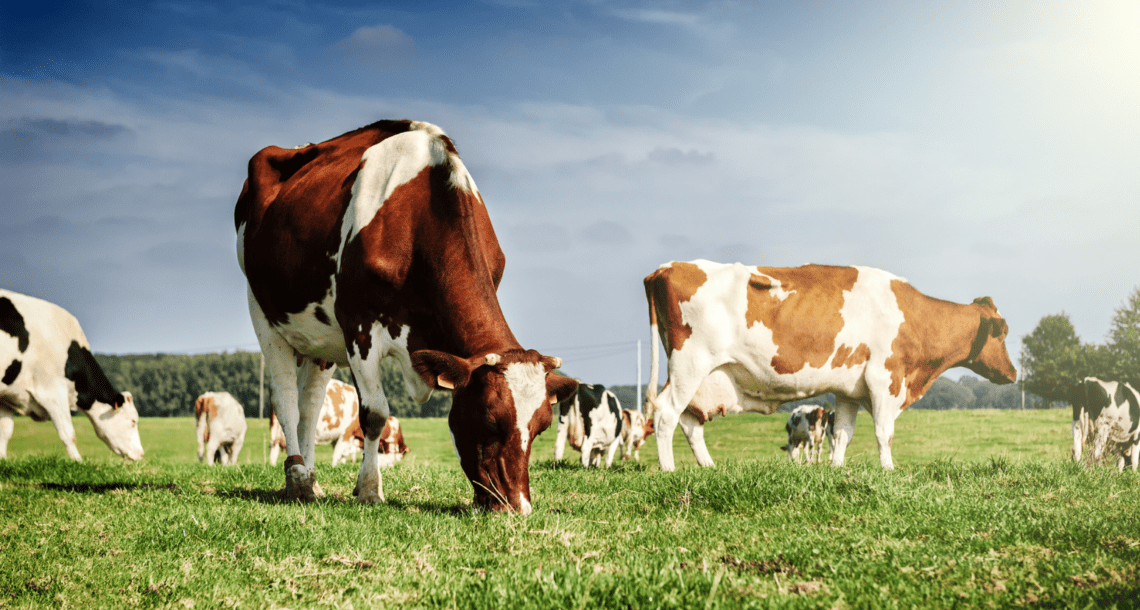
Astaxanthin: Benefits in Poultry and Livestock
Astaxanthin supports:
- Faster weight gain
- Improved immunity against outbreaks of diseases
- Improved egg yolk pigmentation
- Reduced mortality under heat stress
- Higher meat quality, longer shelf life
It is particularly useful in hot climates, since oxidative stress can cause harmful effects in animal health and productivity.
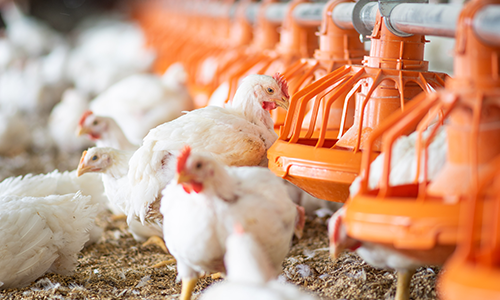
Benefits of Astaxanthin for Pets (Dogs & Cats)
The benefits of astaxanthin in pets are as follows:
- Reduce inflammation of the joints
- Support heart health
- Enhance eye functions
- Improve cognitive health in aging animals
- Improve skin and coat quality
Currently, it is used in high-end supplements for pets and functional foods for them to support aging and immune protection.

Is Astaxanthin Safe for Animals?
Generally safe, yes, when taken in proper dosages. Natural astaxanthin has:
- No known toxicity at recommended levels
- No artificial coloring concerns
- No accumulation issues
Dosage should always be guided by product formulation guidelines and veterinary advice.

Why Choose Natural Astaxanthin?
Natural astaxanthin from algae is more bioavailable and safe compared to its synthetic forms. It provides:
Higher absorption
Better antioxidant performance Greater safety margin Better stability in feed formulations The HJ AGRIFEED Viewpoint Here at HJ AGRIFEED, we believe in the power of using natural ingredients scientifically proven to enhance animal health and, by association, farm performance. Astaxanthin is a high-quality feed additive which brings extraordinary enhancement to areas like immunity, reproduction, and pigmentation. Regardless of your formulation for aquaculture, poultry, livestock, or pets, adding astaxanthin will go toward future-proofing feed quality and boosting production value.
Final Words
Astaxanthin is not just a colorant but a powerful nutritional tool that feeds animals inside out. Be it immunity and growth or coat and reproduction; astaxanthin has proved its importance in modern animal nutrition. Whether astaxanthin is natural or otherwise, it's one of the best investments if you are looking for a natural high-impact supplement to improve animal performance.


