Today, with its unmatched antioxidant power and multidimensional health benefits, astaxanthin is highly in demand in the field of animal nutrition. This nutrient, which is well known for increasing vitality, enhancing immunity, improving pigmentation and fertility, and optimizing performance-from pet food to livestock feed, poultry, and aquaculture-is highly regarded.
The following are commonly asked questions to HJ AGRIFEED, as a reliable supplier of natural feed additives: What is astaxanthin? Why is it so powerful? How does it benefit the different animals?
Read the full blog below to answer these questions and find out why astaxanthin is one of the most valued natural ingredients in modern animal nutrition.
What is astaxanthin?
Astaxanthin is a kind of naturally occurring xanthophyll carotenoid pigment. The majority of astaxanthin is produced by microalgae, especially from the species Haematococcus pluvialis, which produces astaxanthin as a protective compound in times of environmental stress.
This pigment is responsible for red-orange coloration in:
- Salmon
- Trout
- Shrimp
- Crabs
- Lobsters
- Krill
- Flamingos
Because this compound cannot be produced by animals, they obtain astaxanthin via diet, another one of the reasons why astaxanthin powder and extracts are important feed additives in aquaculture, pet foods, and livestock nutrition.
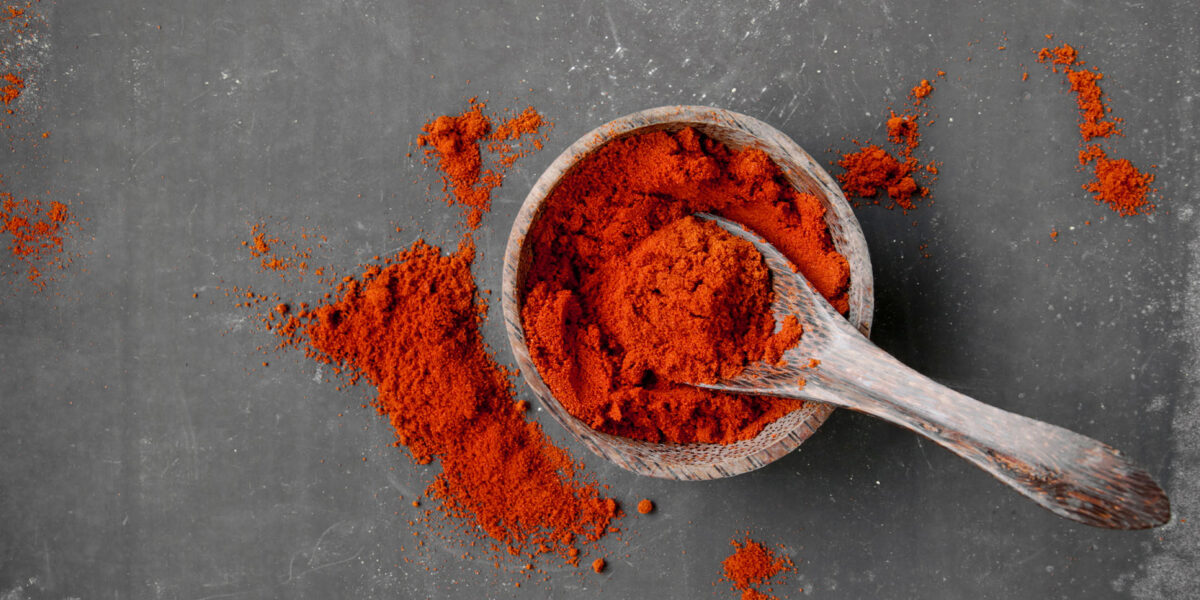
Why Astaxanthin is so powerful:
Astaxanthin is widely known as one of the strongest natural antioxidants ever found. It is:
- 6,000× more powerful than Vitamin C
- 550× more powerful than Vitamin E
- 40× more potent than beta-carotene
Its molecular nature enables it to provide both inner and outer cell membrane protection, hence giving it antioxidant capabilities unparalleled by most nutrients.
Astaxanthin has been one of the multifunctional support compounds concerning general health across species, since oxidative stress impairs immune responses, growth, and reproductive performance.
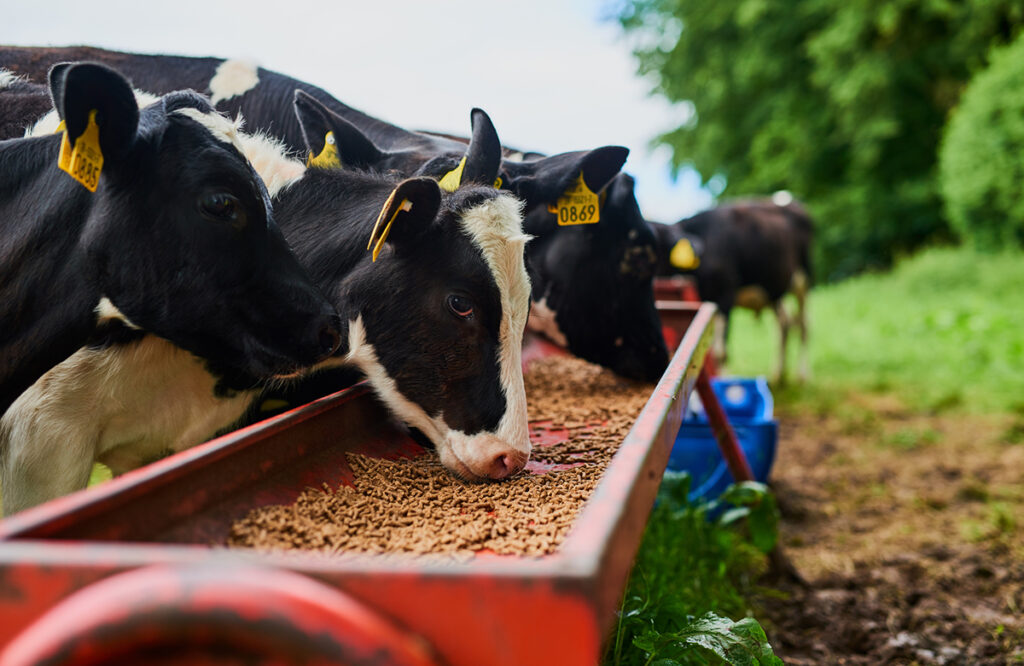
Astaxanthin has important applications in animal husbandry.
Following are the major scientifically supported advantages that astaxanthin offers to pets, poultry, livestock, fish, and crustaceans.
It enhances immunity and resistance against diseases.
The most valuable function of astaxanthin is in strengthening immune function. Astaxanthin increases the activity of:
- Macrophages
- Natural killer cells
- T-cells and B-cells
This immunomodulating effect results in:
- Improved disease resistance
- Stronger response against pathogens
- Lower mortality in livestock and aquaculture
- Faster recovery during disease challenges
Astaxanthin acts as a natural protector and can protect poultry and aquaculture, where outbreaks of diseases are usually devastating.
It provides potent antioxidant protection and anti-inflammatory protection.
Oxidative stress results in inflammation, tissue damage, poor growth, and reduced fertility. Astaxanthin neutralizes harmful free radicals and supports:
- Reduced inflammation in joints and tissues
- Reduced oxidative damage to organs and muscles
- Improved resilience during heat stress
- It protects against environmental toxins.
Astaxanthin exhibits anti-inflammatory activity in allergic pets, in older animals with mobility problems, and even in heat-stressed livestock.
Improves Growth Performance and Feed Efficiency
Astaxanthin enhances mitochondrial function, which essentially means the production of cellular energy. Therefore, this would lead to:
- Better feed conversion ratio FCR
- Faster growth rates
- Enhanced muscular development
- Higher activity and stamina
Astaxanthin is used in aquaculture for the purpose of weight gain and survival rate improvement; thus, this carotenoid is an essential factor in nutrition for fish and shrimp.
Supports Healthy Skin, Coat, Scales, and Feathers
Because astaxanthin deposits in skin and tissues, it enhances:
- Coat shine and softness in dogs and cats
- Skin elasticity and protection
- Feather strength and appearance in poultry
- Shell quality in shrimp and crustaceans
- Scaling brightness and firmness in fish
This makes it a popular ingredient in premium pet foods and show-animal diets.
Ensures Healthy Eyes and Brain
Astaxanthin is one of the few antioxidants which can cross both the:
- Blood-brain barrier, and
- Blood-retina barrier
- This remarkable ability offers:
It protects the eyes against degeneration, which may be caused by aging.
- Improved function of the retina
- Improving cognitive health
- Prevention of neural oxidative damage
These neurological and visual protections greatly benefit senior pets and breeding animals.
Improves the Reproductive Performance of Animals
Astaxanthin supports reproductive success via:
- Improving sperm quality and motility
- Improving egg quality and viability
- Increasing hatchability in poultry
- Embryo development support
- Reducing oxidative stress in reproductive organs
These advantages of reproduction are even more relevant in aquaculture broodstock and in poultry breeders.
Aquaculture & Birds Natural Pigmentation Enhancement
Astaxanthin is considered the gold-standard pigment in aquaculture for:
- Salmon flesh colouration
- Redness of shrimp shell
- Coloration in crabs and lobsters
- Koi fish vibrancy
Besides being a pigment, astaxanthin has other important uses, including:
- Stress resistance
- Healthy molting
- Shell formation
- Survival during transport
Other benefits in poultry include improved yolk color and feather brightness.
Supports Overall Longevity and Vitality
Because Astaxanthin works on inflammation, oxidative damage, immunity, and cell health all at once, it supports the following:
- Better resilience against chronic diseases
- Healthier aging in pets
- Improved endurance and activity
- Better resistance to stressors
This makes it an ingredient of value for performance animals, aging pets, and all livestock exposed to intensive farming conditions.

Astaxanthin for Different Animal Species
Pets: Dogs and Cats
Astaxanthin is used as a supplement in pet food for:
- Skin and coat health
- Joint mobility
- Immune support
- Allergy relief
- Cognitive function
- Anti-aging protection
Astaxanthin is now included as a natural wellness ingredient in many premium pet food brands.
Livestock (Cattle, Pigs, Goats)
Advantages include:
- Stronger immunity
- Improved growth
- Better reproductive performance
- Reduced oxidative stress during heat or transport
Astaxanthin is increasingly being used as a natural alternative to synthetic antioxidant additives in aquaculture and animal feeds.
Poultry broilers and layers.
Astaxanthin supports:
- Egg yolk pigmentation
- Fertility and hatchability
- Immune strength
- Growth performance
- Oxidative stress reduction
It is becoming a key additive in natural poultry nutrition programs.
Aquaculture (Fish & Shrimp)
Astaxanthin is required for:
- Pigmentation
- Survival rates
- Reproductive performance
- Growth and FCR
- Resistance to stress
- Molting and shell strength
No aquaculture species can perform optimally without carotenoid supplementation, and astaxanthin is the industry standard of choice.
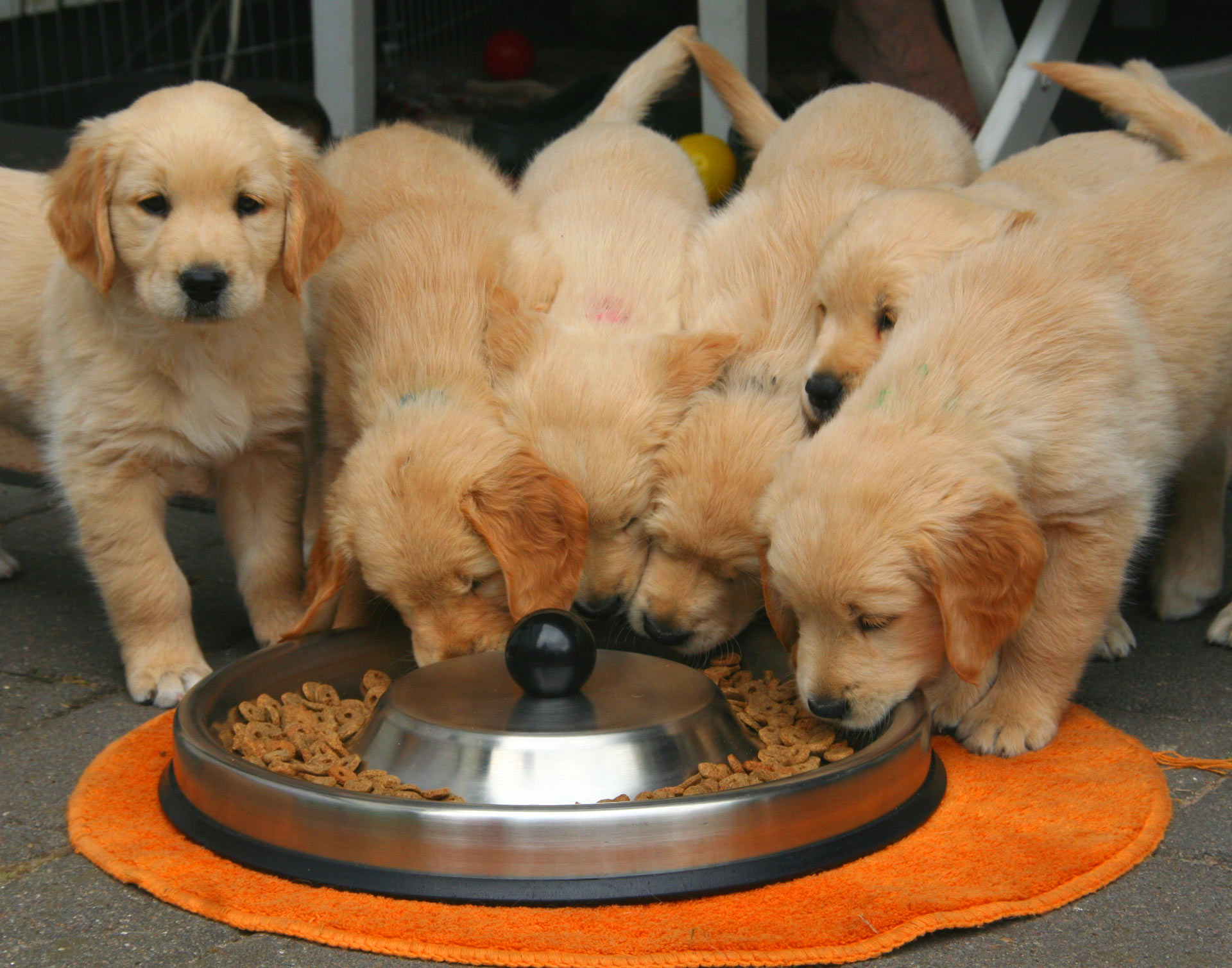
Why Producers Choose Astaxanthin from HJ AGRIFEED
HJ AGRIFEED supplies high-quality natural astaxanthin powder for pets, livestock, poultry, and aquaculture. Our products are: Pigment consistency Stable during storage Highly bioavailable Cost-effective for long-term feeding Appropriate for premium and commercial feed formulations We support farms, feed mills and pet brands in determining the correct inclusion levels by species and goals.

Conclusion
Astaxanthin is so much more than a pigment, but rather, it is one of the most effective natural antioxidants available to enhance animal health. From immunity and growth to pigmentation, fertility, and longevity, astaxanthin delivers benefits in all animal species.