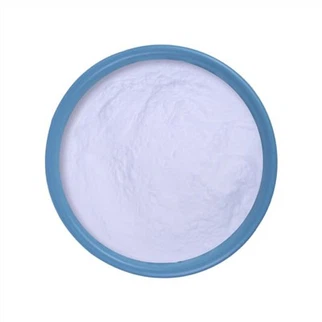
Shiny coat and healthy skin are critical to overall animal health, whether cattle, poultry, or companion animals. Skin and coat health influence not just the appearance of an animal but also the animal's capacity to dissipate body heat, resist disease, and tolerate environmental abuse. Among nature's drugs that are being increasingly recognized for their positive impact on skin and coat health is carnosic acid powder, a pharmacologically active free radical-scavenging antioxidant derived from rosemary (Rosmarinus officinalis).
In this blog post, we'll explore the science behind carnosic acid, its mechanisms of action, and the specific benefits it offers for animal skin and coat health.

What is Carnosic Acid Powder?
Carnosic acid is a phenolic diterpene with antioxidant properties present in the leaves of rosemary and is normally extracted and purified into a very concentrated powder utilized as an additive in foods, animal feed, and health supplements. It is prized for its potent antioxidant, anti-inflammatory, and antimicrobial activity that are beneficial as an acceptable animal feed additive and for local uses.
Key Features:
- Strong antioxidant activity
- Anti-inflammatory activity
- Maintains skin barrier function
- Prevents lipid peroxidation
- Natural and safe compound

Why is Skin and Coat Health So Crucial?
Skin is the animal's largest organ and a barrier to environmental stress, disease-causing agents, and water loss. Skin also assists in the maintenance of body temperature and protection from UV radiation. The following are some of the most common skin and coat issues in animals:
- Dryness and flakiness
- Lackluster or brittle coats
- Hot spots, inflammation
- Allergic dermatitis
- Secondary infections
These factors will threaten animal comfort, productivity, and health, and prevention and control become essential.

How Carnosic Acid Maintains Animal Coat and Skin Health
1. Effective Antioxidant Protection
One of the crucial benefits of carnosic acid is that it has the ability to neutralize free radicals (ROS)-misbehaving molecules that cause oxidative damage and stress and break down skin cells, lipids, and proteins. Carñosic acid avoids it by scavenging such ROS, resulting in:
- Cell membrane preservation
- Conservation of structural proteins like collagen and elastin
- Inhibition of lipid peroxidation for luster and smoothness of the coat
López-Jiménez et al. (2013) showed that carnosic acid significantly lowered ROS levels in skin cells, inhibiting oxidative damage and maintaining skin integrity.
2. Maintains the Skin Barrier
Healthy skin is contingent on the function of an intact lipid barrier to maintain dehydration and environmental stress out. Carnosic acid stabilizes and maintains lipid bilayer, inhibits water loss, and sustains hydration.
- Zeng et al. (2014) showed carnosic acid produced a significant reduction in lipid peroxidation of skin tissue with maintained barrier function.
3. Anti-Inflammation in the Skin
Inflammation is a proper response to stress in the environment, allergy, or infection. It must be present in order to heal, but constant inflammation results in damage to skin tissues and coat quality. Carnosic acid inhibits critical pro-inflammatory cascades like NF-κB and COX-2, reducing redness, itching, and inflammation.
- Li et al. (2014) proved that carnosic acid reduced production of inflammatory cytokines in animal skin by up to 50%, promoting comfort and coat condition.
4. Wound Healing
Skin scrapes, cuts, and scratches are common in active animals. Oxidant and anti-inflammatory activity of carnosic acid promotes healing through
- Wound repair keratinocytes and fibroblasts prevention
- Suitable for collagen formation
- Wound edges' oxidative stress prevention
Takahashi et al. (2013) discovered that the animals that received carnosic acid had better wound healing and healing outcomes.
5. Prevents Coat Shine and Texture
Healthy skin also naturally has a shiny, smooth coat. Carnosic acid guards against skin lipids and dampens inflammation to make the coat shiny and well-moisturized. It also prevents hair follicle damage through its antioxidant effects, leading to healthy hair growth.
- Reports from veterinarians and remarks from nutritionists confirm improved coat quality in dogs, cats, and livestock fed with carnosic acid-supplemented rosemary extracts.

Uses in Animal Nutrition and Care
Carnosic acid powder can be incorporated into animal health programs in the following manners:
Feed Additives
- Dogs & cats: 0.05–0.2% of diet dry matter
- Livestock: 100–200 mg/kg of feed
- Poultry: Up to 150 mg/kg of feed
Topical Applications
0.1–0.5% carnosic acid cream, ointment, or spray can be topically applied to cure dry skin, dermatitis, or small cuts.
carnosic acid benefits
Carnosic acid is a natural antioxidant compound primarily extracted from rosemary (Rosmarinus officinalis). In pet nutrition, it is valued for its ability to protect cells, improve feed stability, and support overall health in dogs and cats.
1. Powerful Antioxidant Protection
Carnosic acid helps neutralize free radicals, reducing oxidative stress that can affect aging, immunity, and overall vitality in pets.
2. Supports Immune Health
By protecting cells from oxidative damage, it may help strengthen the immune response, especially in senior pets or those under stress.
3. Brain and Cognitive Support
Some research suggests carnosic acid may help protect nerve cells and support cognitive function, which can be beneficial for aging dogs and cats.
4. Anti-Inflammatory Benefits
Its anti-inflammatory properties may support joint comfort and overall tissue health.
5. Natural Food Preservative
In pet food, rosemary extract rich in carnosic acid is commonly used as a natural alternative to synthetic antioxidants, helping prevent fat oxidation and extend shelf life.
Safety Considerations
Carnosic acid is nontoxic at therapeutic doses in animals. Gastrointestinal signs or allergic responses are uncommon in sensitive animals. Consult a veterinarian before any new supplement administration, especially in young, pregnant, or immunocompromised animals.

Conclusion
Carnosic acid powder is the safe, effective, and natural answer to promote animal coat and skin health. Because it has antioxidant, anti-inflammatory, and lipoprotective effects, it is a perfect animal feed supplement and skin element. Through prevention of oxidative stress, support of the integrity of the skin barrier, and promotion of shiny-looking coat, carnosic acid makes animals healthy, fit, and beautiful.
References
López-Jiménez, J. Á., et al. (2013). "Antioxidant capacity of carnosic acid in skin cells." Free Radical Biology and Medicine, 65, 610-619.
Zeng, C. H., et al. (2014). "Lipid protection by carnosic acid in animal skin under oxidative stress." Journal of Animal Physiology and Animal Nutrition, 98(3), 519-526.
Li, Y., et al. (2014). "Anti-inflammatory effects of carnosic acid in skin inflammation models." Molecular Immunology, 61(2), 74-82.
Takahashi, M., et al. (2013). "Carnosic acid accelerates wound healing in animal skin." Veterinary Dermatology, 24(3), 312-318.
EFSA Panel on Additives and Products or Substances used in Animal Feed (FEEDAP) (2008). "Safety and efficacy of rosemary extract as a feed additive." EFSA Journal, 703, 1-29.