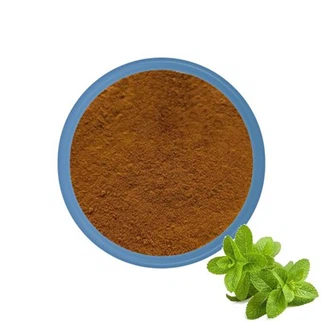
With increasing demand for sustainable, healthy, and profitable aquaculture, new feed additives are being researched to optimize the health and growth of shrimp and fish. Chlorella powder is one such additive, a nutritional microalga that has several aquaculture benefits.
The article discusses the main gains of incorporating Chlorella powder into aquafeeds and explains the science behind promoting growth, immunity, gut health, and other benefits.
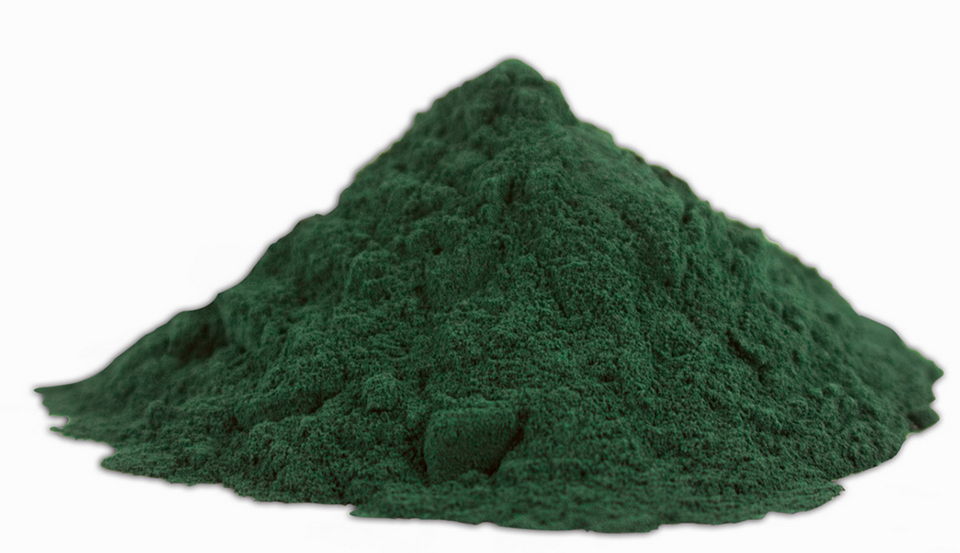
What Is Chlorella?
Chlorella is a unicellular green freshwater microalga (Chlorella vulgaris) with high protein content (40-60% dry weight), essential fatty acids, vitamins, minerals, and bioactive compounds. It is being cultured under conditions of controlled environment, which assures a homogenous nutrient profile for use in animal nutrition.
:max_bytes(150000):strip_icc()/ChlorellaVsSpirulina-e8f6863a786d4d2389082a1b1ac3654f.jpg?size=755x0 "Chlorella Powder supplier")
Key Advantages of Chlorella Powder in Aquaculture
1. Improved Growth Performance
Chlorella has high-quality protein and essential amino acids, which enhance the growth of fish and shrimp muscles. Chlorella also has vitamins (A, B-complex, C, E) and minerals (iron, magnesium, calcium) that aid in sustaining metabolic processes. Research indicates that supplementing with Chlorella powder into diets can:
- Enhance weight gain and feed conversion.
- Reduce production cycles by enhancing growth rates.
- Sustain even growth increase in reared species.
2. Immune System Enhancement
Bioactive polysaccharides and beta-glucans are found in rich supply in Chlorella powder, which has been proved and tested immunostimulants. The compounds assist in the activation of the innate immunity via:
- Phagocytic activity increase of immune cells.
- Activation of lysozyme function and complement cascades.
- Induction of bacterial and viral pathogen resistance.
This immunity-enhancing effect lowers disease breakdowns and antibiotic dependency, resulting in better aquaculture output.
3. Better Digestive Health
Chlorella delivers dietary fibre and indigenous digestive enzymes that promote the health of the gut. Chlorella fibre is prebiotic, which stimulates the beneficial gut flora, whereas enzymes facilitate digestion and nutrient absorption. Supplementation with chlorella has been proven by studies to:
- Enhance intestinal morphology (e.g. height of villi).
- Enhance nutrient absorption and feed conversion.
- Decrease incidence of enteric disease, particularly in shrimp aquaculture.
4. Natural Pigmentation and Coloration
Chlorella is a natural source of carotenoids, including lutein and beta-carotene, that increase flesh and skin pigmentation of fish and shellfish. In shrimp, the pigments cause reddish-orange coloration of the exoskeleton-a major quality characteristic determining consumer acceptability.
5. Sustainable and Environmentally Friendly
Sustainable production technologies are employed to cultivate Chlorella, commonly closed systems, with lower environmental consequences than fishmeal-based protein. Chlorella can be cultivated on wastewater, enabling the recycling of nutrients. Partial replacement of fishmeal with Chlorella reduces:
- Overfishing of wild fish stocks.
- Greenhouse gas emissions during aquafeed manufacturing.
- Compliance with eco-certifications for sustainable aquaculture.

Recommended Inclusion Rates
Inclusion levels differ by species and farm conditions, but 1-3% Chlorella powder inclusion in fish and shrimp diets has been commonly recommended to impart perceivable effects. Up to 5% level can be applied at disease or maximum stress periods.

Challenges and Considerations
- Digestibility: The cell wall of Chlorella is very rigid, and this may restrict digestibility. Cell wall disruption (mechanical or enzymatic) pre-treatment of powder can enhance nutrient bioavailability.
- Cost: Despite the decrease in prices of Chlorella, they are still higher than that of conventional sources of protein. Nonetheless, its functional improvement oftentimes warrants the cost.
- Quality Control: Buying Chlorella from quality manufacturers guarantees uniform quality and safety.

Conclusion
Chlorella powder is a natural, high-value, and environmentally friendly alternative to conventional aquaculture feed supplements. Owing to its protein density, immunostimulatory compound content, prebiotic effect, and pigmentation effect, it is an important tool in fish and shrimp farming. It can be utilized by farmers to enhance animals' health, growth, and sustainability in aquafeeds.
With aquaculture, Chlorella is a nutrient that is adaptable to the aim of health, productivity, and sustainability.
References
Nakano, H., Takeuchi, T. (1995). Effect of dietary Chlorella on growth performance and body composition of tilapia (Oreochromis niloticus). Aquaculture, 136(3-4), 331-340.
El-Bahr, S.M. (2015). Immune response of tilapia fish fed diets containing Chlorella vulgaris powder. Journal of Animal Physiology and Animal Nutrition, 99(4), 744-750.
Safi, C., Ursu, A.V., Laroche, C. (2014). A review of the potential of Chlorella as a sustainable source of bioactive compounds in aquaculture. Algal Research, 6, 52-64.
Abdel-Tawwab, M., Ahmad, M.H. (2009). Live yeast and Chlorella as feed additives for Nile tilapia: Effects on growth, gut morphology and feed utilization. Fish Physiology and Biochemistry, 35(4), 481-493.
Niu, J., Zhang, C., Wang, Q., et al. (2012). Effects of dietary Chlorella powder on the pigmentation of Pacific white shrimp (Litopenaeus vannamei). Aquaculture Research, 43(6), 862-871.
Spolaore, P., Joannis-Cassan, C., Duran, E., Isambert, A. (2006). Commercial applications of microalgae. Journal of Bioscience and Bioengineering, 101(2), 87-96.