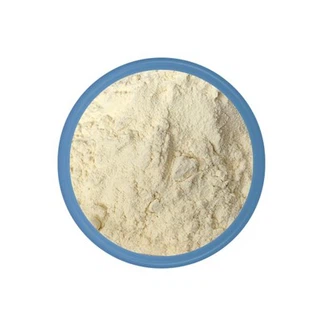
Tea saponin, a naturally occurring phytochemical in tea plant seed (Camellia sinensis or Camellia oleifera), is more sought after by farmers, gardeners, and green agriculturalists. Mainly because of its surface-active activity, tea saponin is a natural insecticide, surfactant, and soil conditioner. In recent years, research and field applications have shown that tea saponin offers a range of benefits for plants - from improving nutrient absorption to protecting crops against harmful pests - all while reducing the reliance on synthetic chemicals.
In this article, we'll explore the composition, mechanisms, and key benefits of tea saponin for plant health and growth, as well as practical tips on using it in agriculture.
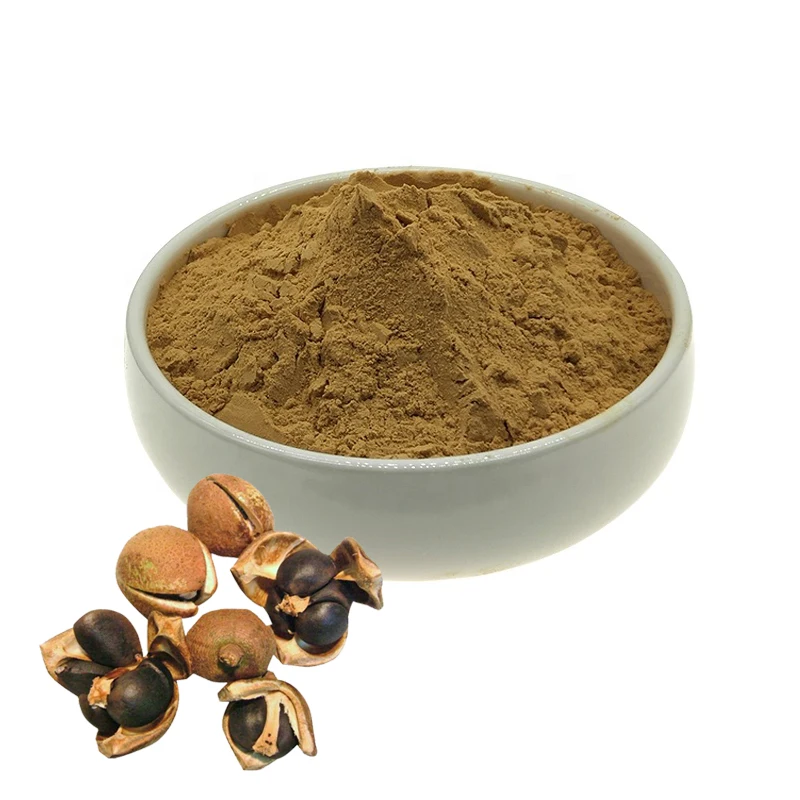
1. What Is Tea Saponin?
Tea saponin is a triterpenoid saponin that is found in seeds and seed coats of the tea oil tree (Camellia oleifera) and tea trees (Camellia sinensis). Chemically, it is a sugar chain attached to a hydrophobic aglycone skeleton that imparts improved emulsifying and frothing activities. Tea saponin is thus useful not only in agriculture but also aquaculture, cosmetics, and detergents.
In agriculture, tea saponin is highly valued due to three aspects:
- Biological activity – Natural insecticide and molluscicide.
- Soil conditioning – Natural soil conditioner to better aerate the soil and boost microbial activity.
- Nutrient uptake – Enhances root efficiency for nutrient uptake.

2. Advantage of Tea Saponin to Plants
A. Acts as Natural Soil Conditioner
Healthy soil is where healthy plants start, and tea saponin promotes soil fertility and structure. Its natural surfactant property reduces soil compaction, allows water to penetrate, and improves aeration. Tea saponin breaks the surface tension and allows water and nutrients to penetrate deeper into the root system.
In addition, tea saponin promotes the activity of the beneficial soil microorganisms such as nitrogen-fixing bacteria and mycorrhizal fungi. The microorganisms are responsible for nutrient cycling, moving valuable elements such as nitrogen and phosphorus into a more accessible position for plant uptake.
Key points:
- Enhances porosity of the soil.
- Enhances microbial diversity.
- Enhances availability of nutrients.
B. Enhances Plant Nutrient Absorption
Tea saponin's surfactant properties allow the disruption of water's surface tension on foliage and soil, allowing for greater penetration and nutrient uptake. This enhances the performance of foliar-sprayed fertilizer and soil-applied nutrients.
Combined with liquid fertilizers, tea saponin promotes uniform distribution and improved nutrient uptake, leading to healthier plant growth, greener leaves, and more intensive flowering.
Example: Tea saponin is typically included in foliar spray preparations by farmers as a way to promote micronutrient leaf absorption of metals like iron, zinc, and manganese.
C. Provides Environmentally Friendly Pest and Disease Management
Tea saponin is also highly known to possess native insecticidal activity, hence being a potential alternative to chemical pesticides. Tea saponin is particularly efficient at killing soft-bodied insects like aphids, mites, and whiteflies and toxic soil nematodes.
Tea saponin functions by:
- Killing the outer protective coating of the insect.
- Interfering with their respiration system.
- Serving as an antifeedant to inhibit future damage of the plant.
Tea saponin is antifungal and helps to manage the occurrence of several soil-borne plant pathogens.
Advantages over chemical pesticides:
- Nonpolluting and safe for human consumption.
- Pollinator-safe, e.g., bees, when used properly.
- Minimizes chemical residues on crops.
D. Reduces Harmful Nematodes
Nematodes are small roundworms that infect plant roots and cause stunted growth, chlorotic leaves, and yield loss. Tea saponin has been found to cause nematode population decline through their cell membrane destruction and their metabolic processes inhibition.
As tea saponin is biodegradable, control of nematodes is guaranteed without any residual soil contamination in contrast to the traditional nematicides.
E. Enhances Water Use Efficiency in Irrigation
Tea saponin helps improve the use of water by plants through the reduction of runoff and increasing soil water retention. In sandy soils, it prevents excessive loss of water through quick draining, but in clay soils, it reduces water stagnation and compaction.
This benefit cannot be given a price tag in arid areas or during dry conditions because it helps with watering plants and reducing frequent watering.
F. Stimulates Root Growth
Strong and healthy roots are needed for anchorage and nutrient uptake in plants. By stimulating soil and nutrient uptake, tea saponin indirectly offers a platform for healthy root development.
Tea saponin can directly stimulate root growth by regulating activity of plant hormones, leading to enhanced nutrient uptake and plant strength.
G. Promotes Sustainable Farming Practices
Among the most significant benefits of tea saponin is its application in sustainable agriculture. Because it is a biodegradable, natural plant compound, it is organic agriculture-friendly and less reliant on synthetic chemicals and fertilizers.
Being a multi-functional agent, farmers may replace much chemical commodity (e.g., surfactants, pesticides, and soil conditioners) with one replacement product - reducing environment pollution and costs.
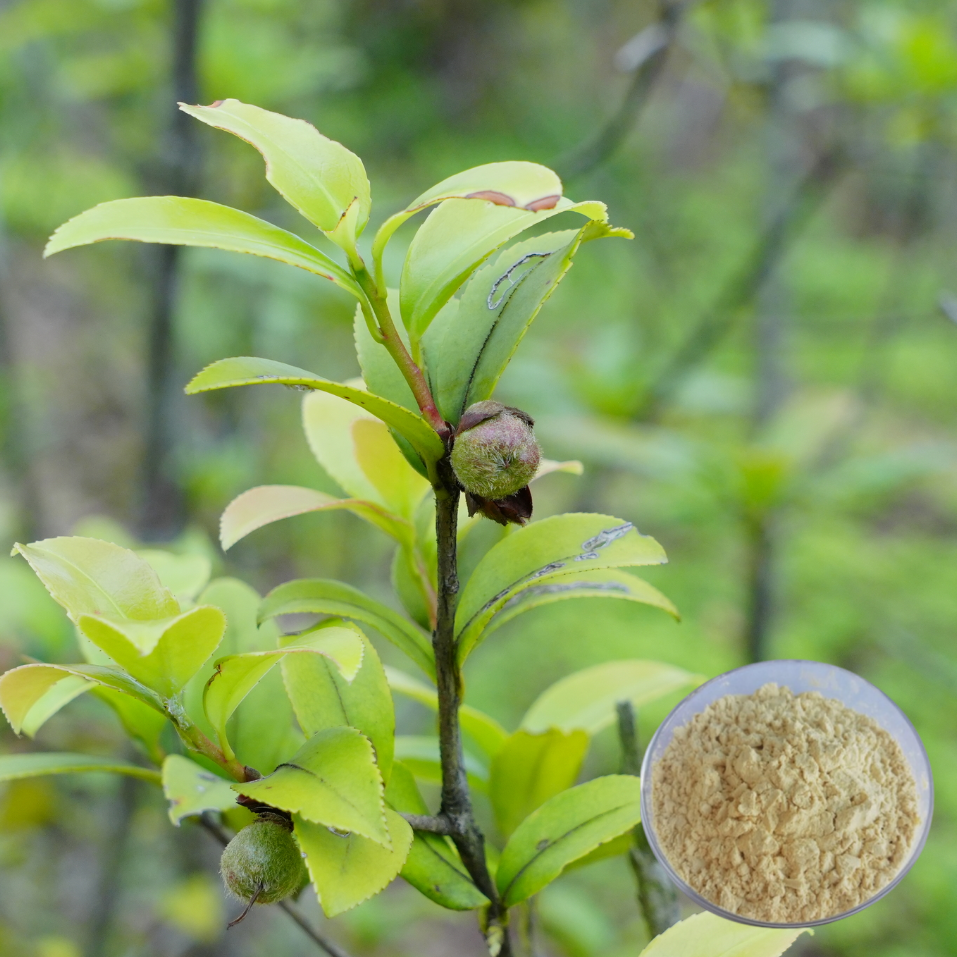
3. Using Tea Saponin on Plants
Tea saponin may be employed differently for the intended use:
As a Soil Amendment
- Apply tea saponin powder to soil during planting for the benefit of enhanced aeration, water retention, and microbially active soil.
As a Foliar Spray
- Dissolve in water (according to recommended dilution rates) and spray plant leaves to enhance nutrient availability as well as pest repellence.
For Nematode Control
- Use as drench around root zone to suppress nematode development.
As an Additive to Fertilizers
- Blend with liquid or dry fertilizers to promote nutrient uptake efficiency.
Note: Apply recommended manufacturer rates to avoid unintentional phytotoxicity from excessive concentration.

4. Safety and Environmental Concerns
Tea saponin is considerably nontoxic for application in agriculture if used according to recommendations. But:
- Overapplication can cause leaf burning in sensitive crops.
- Don't spray where bees are present actively to assist in protecting the pollinators.
- Safety glasses and gloves can be used when handling to prevent irritation of the skin and eyes.
Since it is biodegradable, tea saponin does not bio-accumulate in water systems or the soil system, thus making it much more environmentally friendly compared to man-made chemicals.

5. Scientific Evidence Documenting the Benefits of Tea Saponin
Several studies report the positive effect of tea saponin on agriculture:
- Wang et al. (2010) documented that tea saponin inhibited populations of root-knot nematodes (Meloidogyne incognita) and improved microbial diversity in soil.
- Li et al. (2015) demonstrated that tea saponin enhanced nutrient uptake in rice plants to enhance yield.
- Zhao et al. (2018) discovered that the tea saponin increased water permeation into clay soils and reduced surface runoff by over 30%.

Conclusion
Tea saponin is a natural surfactant - and that's only the beginning. It is an all-purpose agricultural aid that makes the soil better, enhances nutrient intake, and serves as a pesticide and fungicide, while making environmentally compatible farming easy. Its natural character, biodegradability, and eco-friendliness make it the farmer's first choice for more sustainable agriculture without decreasing crop yield.
With farming more geared to organic farming, tea saponin is a sure ally in maintaining healthy plants and long-term fertility of soils.
References
Wang, X., et al. (2010). "Effect of tea saponin on nematodes and soil microorganisms." Journal of Applied Ecology, 21(5), 1251–1257.
Li, J., et al. (2015). "Application of tea saponin in rice cultivation: Effects on growth and nutrient uptake." Agricultural Science & Technology, 16(4), 45–50.
Zhao, H., et al. (2018). "Soil conditioning effects of tea saponin: Water infiltration and runoff reduction." Soil & Tillage Research, 178, 35–42.