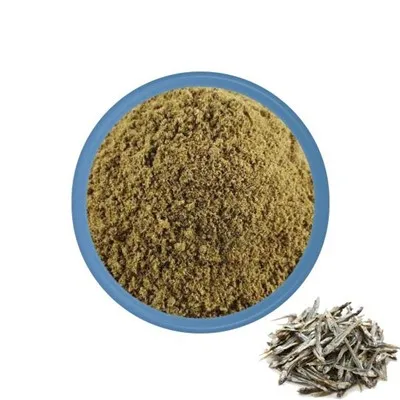
Industrial agriculture is being pushed to produce more food with less environmental cost. Farmers have been searching for means of producing more crops efficiently and sustainably, and have found that triacontanol is a very potent natural plant growth regulator. Present in very minute quantities in plant waxes, especially alfalfa, triacontanol has been found to increase plant health, increase yields, and increase stress tolerance.
But what makes triacontanol beneficial in farming? This article discusses its mechanisms and applications, making this natural compound an easy choice for crop enhancement.

What Is Triacontanol?
Triacontanol (C₃₀H₆₂O) is a naturally occurring primary alcohol 30-carbon chain component of plant cuticle waxes. Initially discovered in alfalfa (Medicago sativa), it has exerted outstanding impacts on various crops even at very low concentrations (parts per billion).
As compared to synthetic growth hormones, triacontanol is biodegradable, non-toxic, and eco-friendly and, therefore, a suitable input for organic and sustainable agriculture cultivation.

Key Benefits of Triacontanol in Agriculture
1. Photosynthesis Stimulation:
One of the established and reliable triacontanol impacts is photosynthesis stimulation. Triacontanol increases carbon dioxide assimilation and leaf chlorophyll content. This results in more energy and carbohydrates towards the development and growth of the plant.
Research Insight:
- Naeem et al. (2012) confirmed that triacontanol treatment increased net rate of photosynthesis and chlorophyll content in tomato, rice, and maize crops.
2. Promotes Plant Growth and Biomass Yield
Triacontanol initiates cell growth and division and brings about the promotion of shoot and root development. It initiates the release of plant hormones like cytokinins and gibberellins, leading to healthy and strong plants.
Practical Benefit:
- Planters record greater leaf area, root weight, and growth of plants, which amount to greater resource capture and plant vigor.
3. Enhances Crop Yield and Quality
It is accountable for enhanced photosynthesis, nutrient assimilation, and plant growth, which result in higher yields in a range of crops. It enhances crop quality factors like fruit size, weight, sugar, and nutritional factors.
Examples:
- Tomatoes yield better fruit set and yield when cultivated with the application of triacontanol.
- Rice increases tillering and grain yield.
- Strawberries improve fruit size and sweetness.
Ries & Houtz (1983) recorded excessive yield gains in tomatoes, cucumbers, and wheat using foliar spraying of triacontanol.
4. Increases Nutrient Uptake Efficiency
Triacontanol stimulates the enzyme activity of enzymes such as nitrate reductase and ATP synthase used in nitrogen and energy metabolism. This means enhanced nutrient uptake and utilization, reducing the need for undue fertilization.
Advantage to Farmers:
- Enhanced efficiency of fertilizer use means reducing the price of inputs and environmental deterioration by less nutrient leaching.
5. Enhances Stress Resistance
Plants' growth is generally repressed by abiotic stresses such as drought, salinity, and heat. Triacontanol activates the antioxidant defense of the plant by stimulating the activity of enzymes like superoxide dismutase (SOD) and catalase (CAT) that reduce oxidative stress-induced damage.
Triacontanol treated plant demonstrates greater tolerance to environmental stress, thereby equating yields under adverse growing conditions.
6. Stimulates Germination and Seedling Growth
Triacontanol as a seed treatment enhanced seed germination and seedling growth. Triacontanol stimulates metabolic activities and energy production at the decisive plant development phase.
Use Case:
- Maize, wheat, and legumes were found to demonstrate improved germination and root development when triacontanol is pre-treated to seeds.
7. Safe and Eco-Friendly
Triacontanol is harmless to man, animals, and other beneficial insects. It is environmentally friendly and does not result in any toxic residues in water or land systems.
Environmental Advantage:
- Most appropriate for organic farming and sustainable agriculture programs that require maximum minimum chemical utilization.

General Modes of Application
Agricultural application of triacontanol is derived through the following modes:
- Foliar Spray: Maximum efficiency, used at the concentration of 0.1 to 5 ppm.
- Soil Drench: Increases root uptake and stress tolerance.
- Seed Treatment: Increased germination and seedling strength.
- Hydroponic Systems: Added to nutrient solution for growth enhancement.
Application timing is important-a triacontanol application typically is done at the vegetative or early reproductive growth stage for best effect.

Compatible Crops
A very wide range of crops have been found to be responsive to triacontanol including:
- Cereals: Maize, wheat, rice
- Vegetables: Cucumbers, tomatoes, peppers
- Fruits: Melons, grapes, strawberries
- Legumes: Alfalfa, soybeans
- Cash Crops: Sugarcane, cotton, tobacco
- Ornamentals: Roses, chrysanthemums, marigolds

Conclusion
Triacontanol is a highly effective and environmentally friendly plant growth regulator that always works on a diversity of crops. Its ability to boost photosynthesis, enhance nutrient uptake, lower stress, and enhance yields makes it a gem in modern agriculture.
Whether it's operating a large farm or growing crops in a greenhouse, the addition of triacontanol to your crop care regimen can lead to better plant health, increased productivity, and enhanced sustainability.
References
Naeem, M., Khan, M.M.A., & Moinuddin. (2012). Triacontanol: A Potent Plant Growth Regulator in Agriculture. Journal of Plant Interactions, 7(2), 129–142.
Ries, S.K., & Houtz, R.L. (1983). Triacontanol as a Plant Growth Regulator. HortScience, 18(5), 654–660.
Pal, M. et al. (2013). Effect of Triacontanol on Growth and Yield of Crops: A Review. International Journal of Agriculture, 5(4), 1–9.