As a caring cat owner, you're always looking for ways to keep your feline friend healthy and happy. Among the many supplements gaining attention in the pet health world is soy lecithin-a natural compound that may offer several nutritional benefits for cats. But what exactly is it, and why should it be added to your cat's diet?
Let's discover the many ways soy lecithin can support your cat's overall health, from enhancing skin and coat condition to aiding in digestion and liver function.
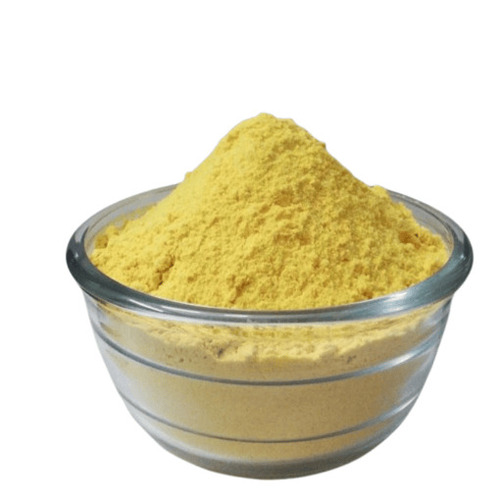
What Is Soy Lecithin?
Soy lecithin is a natural soybean-derived phospholipid. It is high in:
- Choline – a vital nutrient for brain and liver health
- Essential fatty acids – maintain cell structure and health
- Phospholipids – important for healthy cell membranes and nerve function
Soy lecithin in animal food is routinely employed as an emulsifying agent (for blending fats with water) yet also has some nutritional value aside from its functioning.

Aids of including Soy Lecithin into Your Cat's Diet
1. Healthy skin and coat
One of the most popular uses of soy lecithin is in maintaining skin and coat health. Dry-skinned, dandruffy, or dull-coated cats can benefit from lecithin's essential fatty acids.
How it helps:
- Decreases flaky skin and dryness
- Promotes a soft, shiny coat
- Maintains skin moisture and flexibility
For long-haired breeds or cats susceptible to hairballs, healthier coats equate to less shedding and less hairball development.
2. Maintains Brain and Nerve Health
Soy lecithin is a rich source of choline, an essential nutrient that is important for brain and nerve function.
Benefits of choline for cats:
- Improves memory and mental function
- Maintains nervous system health
- Could assist older cats with mental acuity
Older cats or those with precognitive signs might especially appreciate additional choline in the form of soy lecithin.
3. Enhances Fat Digestion and Nutrient Utilization
Cats are obligate carnivores and tend to eat a fat-rich diet. Soy lecithin, being an emulsifier, assists the body in breaking down fats more effectively.
Benefits:
- Improved digestion of fatty meals
- Improved absorption of fat-soluble vitamins (A, D, E, and K)
- Less risk of digestive upset after rich foods
This is particularly beneficial for sensitive-stomach or digestive-sensitive cats.
4. Supports Liver Function and Detoxification
Lecithin supports the liver in metabolizing fats and eliminating toxins. It may also be used to prevent fat build-up in the liver-a condition referred to as hepatic lipidosis, which occurs frequently in obese or fasting cats.
Liver-supportive benefits:
- Supports fat metabolism
- Prevents fatty liver disease
- Assists detoxification processes
Overweight or convalescent cats might find lecithin particularly beneficial as part of a supportive diet for the liver.
5. Natural Source of Energy
Choline and fatty acids found in soy lecithin are used as a source of energy, to nourish the metabolism, and keep your cat engaged and responsive.
It will benefit:
- Teen, high-energy cats that need a fuel supply to play
- Senior cats in need of metabolic supplementation
- Bearing or lactating cats who have increased energy requirements

Is Soy Lecithin Safe for Cats
Yes, soy lecithin is also safe for cats when used in correct proportions. It's already widely used in most commercial pet foods and treats.
But keep in mind these considerations:
- Use non-GMO, food-grade soy lecithin
- Don't over-dose
- Don't over-dose
Watch for any soy allergy or sensitivity (extremely rare, but possible)
As ever, check with your veterinarian before introducing any supplement to your cat's diet.
How to Include Soy Lecithin in Your Cat's Diet
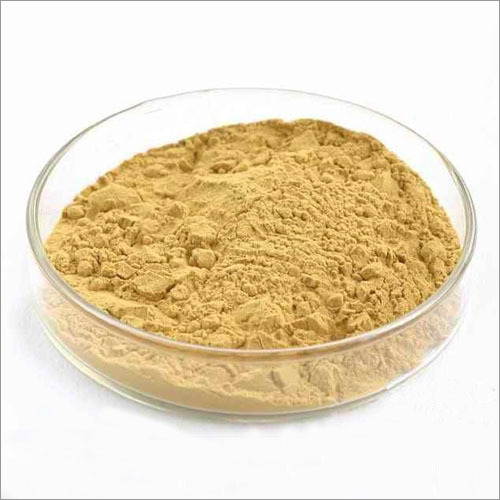
Soy lecithin comes in a variety of forms:
- Powder or granules – sprinkle on food
- Soft gels or liquids – can be added to moist food
- Functional treats – some treats include soy lecithin as an active ingredient
Recommended dosage:
Begin with a small amount (⅛ to ¼ teaspoon per day) and adjust according to your cat's size, diet, and health status-always under your vet's guidance.

When May Cats Benefit from Soy Lecithin?
You may want to try soy lecithin for your cat if they:
- Have dull, brittle fur or dry skin
- Are shedding too much or getting hairballs
- Evidence of cognitive functioning or aging
- Have a finicky stomach or fat digestive difficulties
- Are chubby or predisposed to liver diseases
Even non-diseased cats may respond to soy lecithin as a preemptive wellness booster.
Final Thoughts
Including soy lecithin in your cat's diet is an easy method of maintaining their skin, coat, brain, digestion, and liver health-all critical cornerstones of feline health. As a natural choline and healthy fat source, soy lecithin provides functional nutrition that can benefit cats at any age.
Prior to altering your cat's diet or introducing new supplements, always consult your veterinarian to confirm safety and dosage.
References
National Research Council (2006). Nutrient Requirements of Dogs and Cats. National Academies Press.
Heinze, C.R. (2011). "Nutritional Management of Dermatologic Disease in Dogs and Cats." Veterinary Clinics of North America: Small Animal Practice.
PetMD. "What Is Lecithin in Pet Food?"
AKC.org. "Choline for Dogs and Cats – A Brain-Boosting Nutrient."
VetInfo. "Soy Lecithin Benefits for Pets."